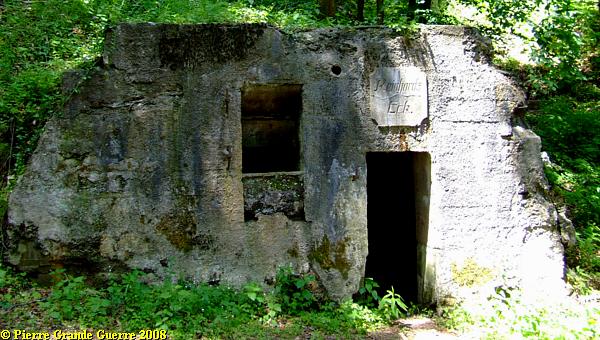
ALSACE SUNDGAU - Burnhaupt-le-Bas - Bunker Path
Year of visit: 2011
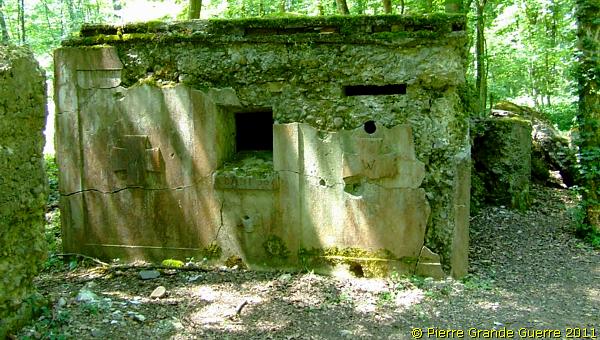
Alsace Sundgau, Département Haut-Rhin, southwest of Mulhouse: On a hot day in June 2011 (30°C.) we walked the "Sentier des Bunkers", the Bunker Path of Burnhaupt-le-Bas along the German 3rd line artillery positions of 1914-1918. Besides enjoying the landscape and nature we will visit 27 German bunkers.
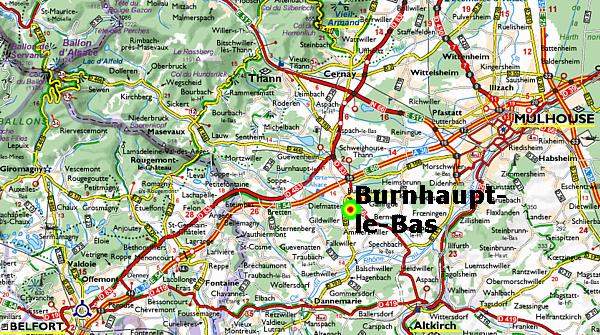
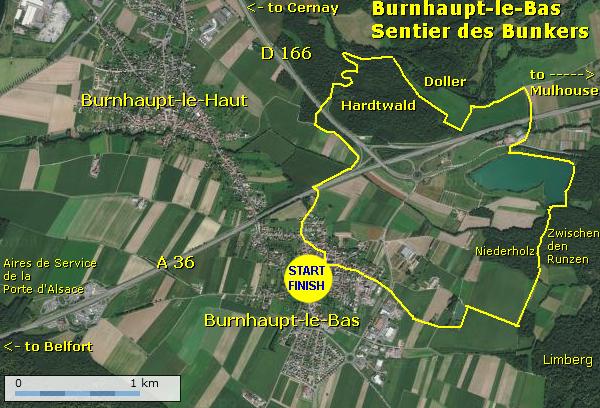
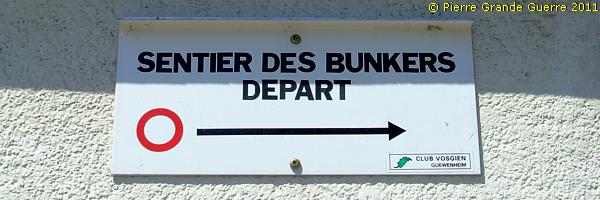
We park our car at the foot of the village church of Burnhaupt-le-Bas and we start our walk of 8.6 km., following the signs, which lead us northward, out of the village.
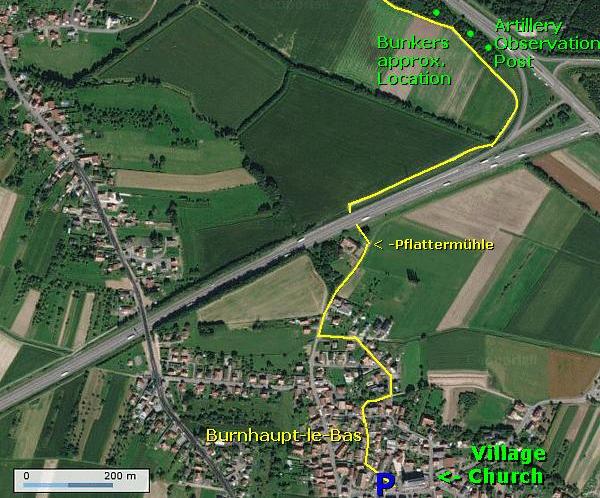
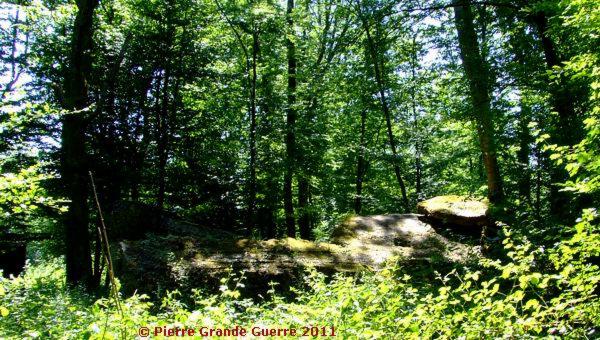
In the copse on the right we will visit our first bunker plot.
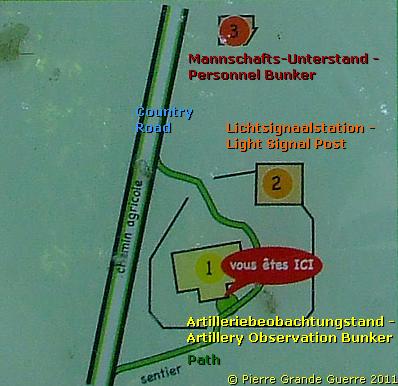
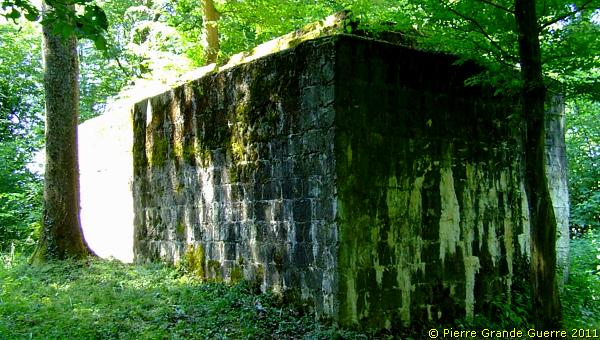
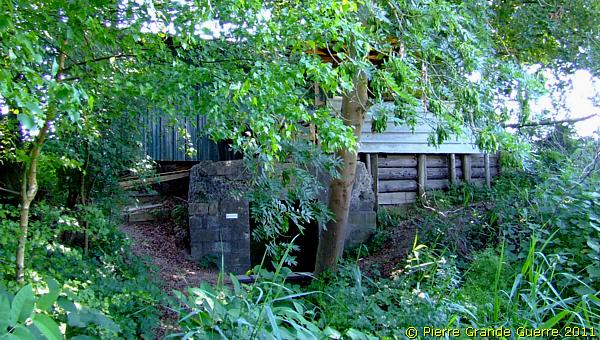
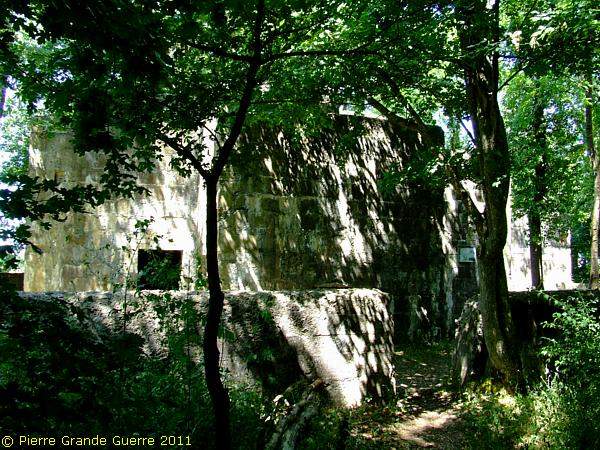
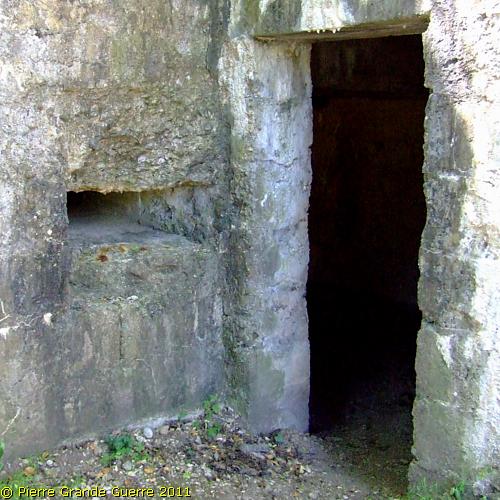
The first bunker, which we visit, is an artillery observation bunker, constructed of masonry of concrete blocks.
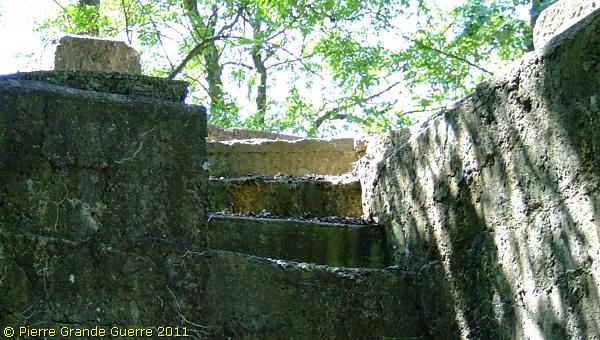
A staircase leads to the top construction for better observations.
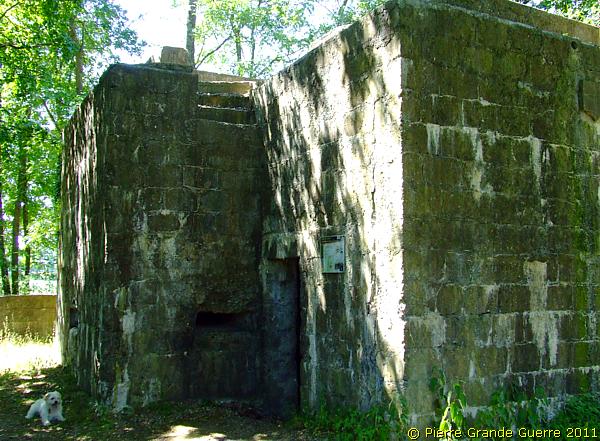
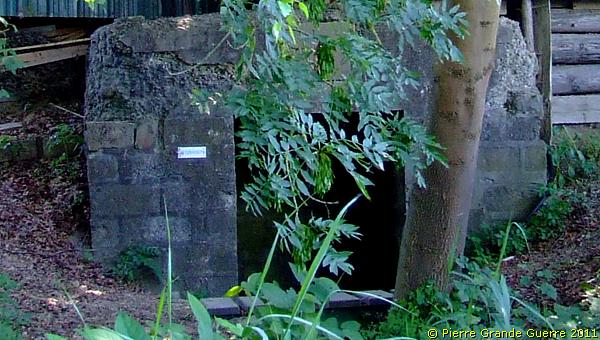
The two entrances are guarded by a loopholes.
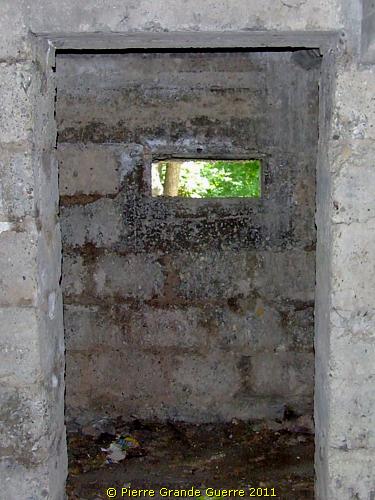
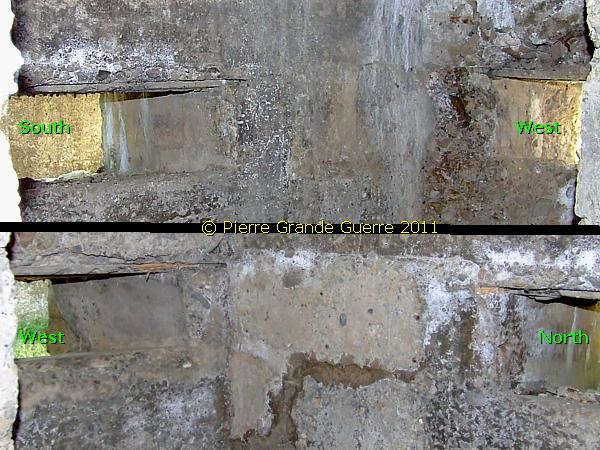
The three loopholes of the sentry room.
The second entrance.
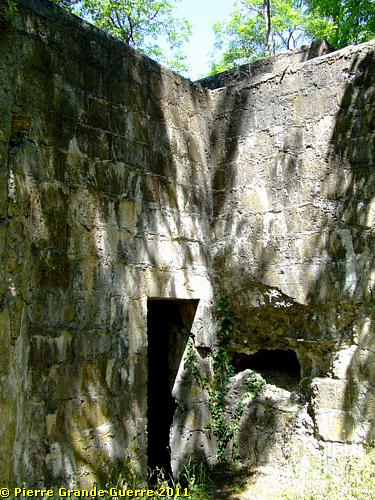
Next to the bunker stands a "Blinkstelle", a light signal station.
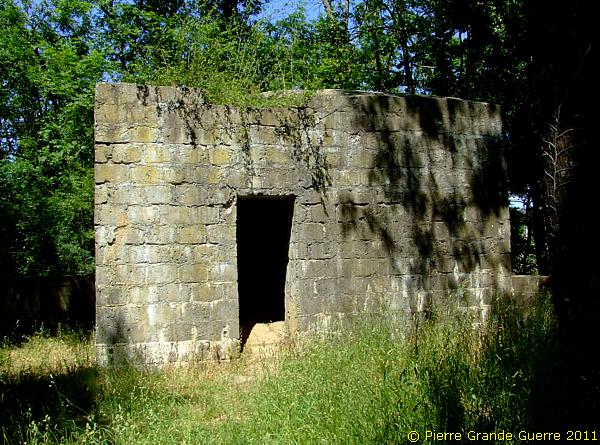
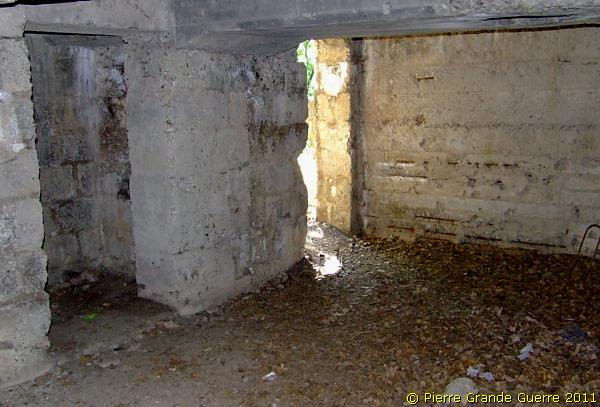
The interior.
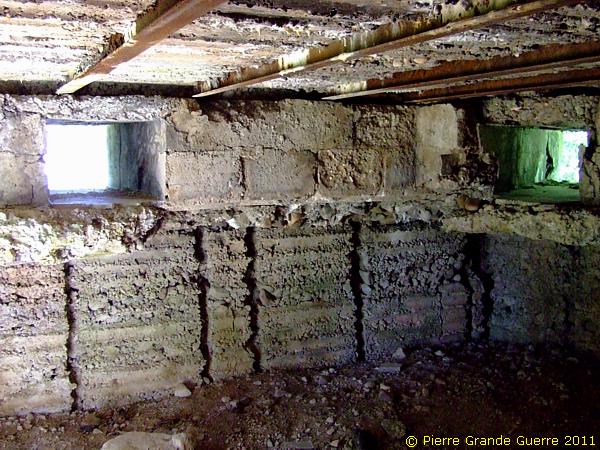
Concrete breastworks surround these bunkers.
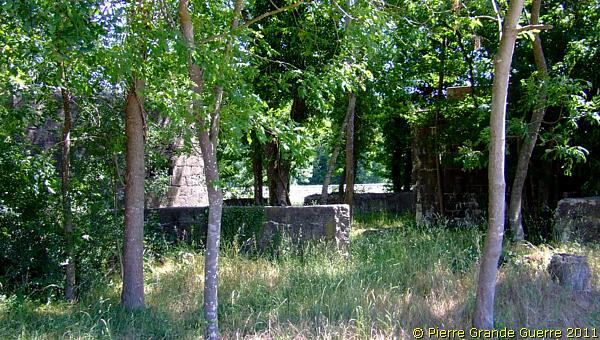
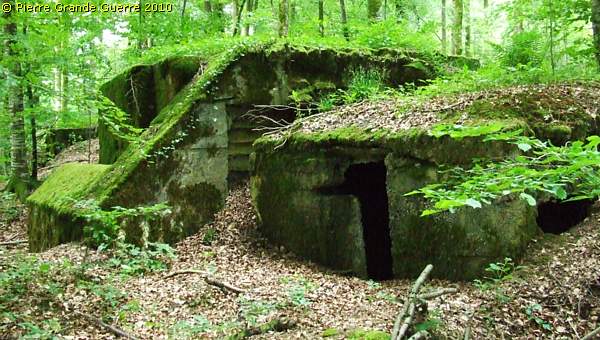
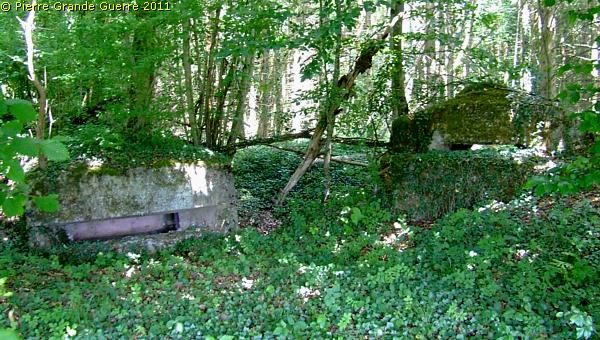
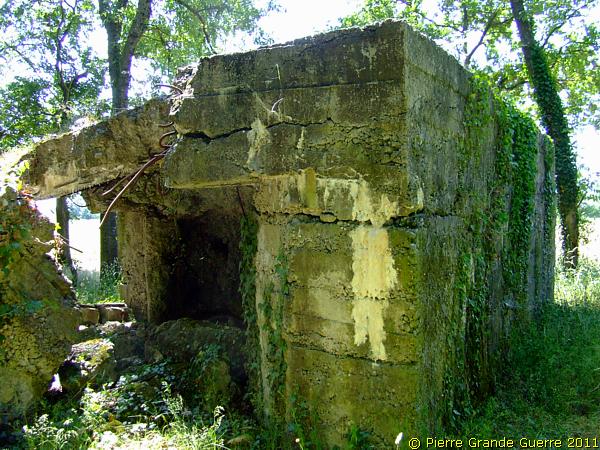
The third bunker of this plot is severely damaged.
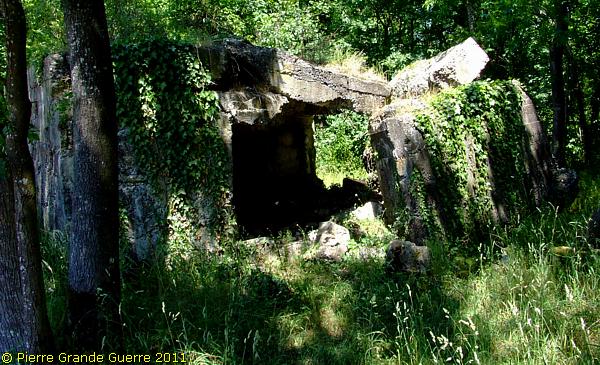
It served as a shelter bunker.
|
Burnhaupt-le-Bas
- 1914-1916
|
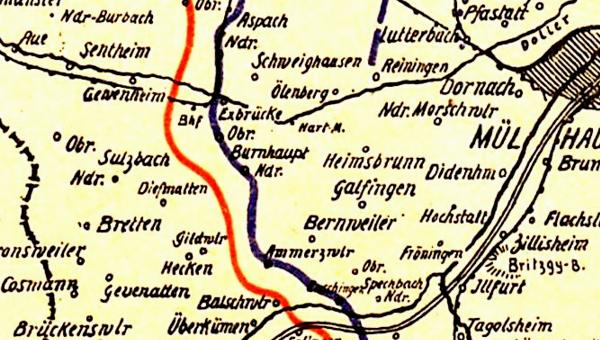
Let us first have a closer look via this 1917 sketch of L.I.R. 123 at the location of Burnhaupt-le-Bas in relation to its geographic position along the Sundgau front line.
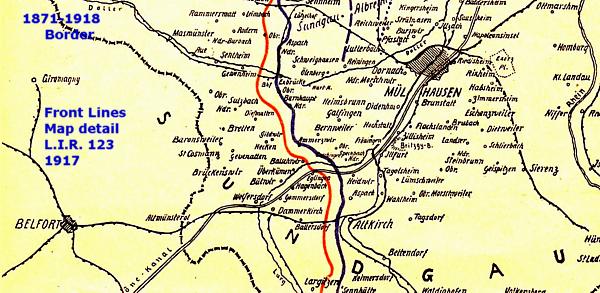
Zoomed in:
The 3rd Battalion of Landwehr Infanterie Regiment 40
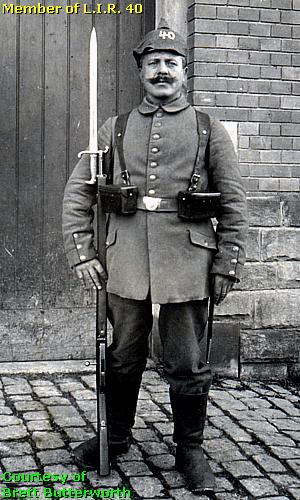
During the period
of 1914-1916 the 3rd Battalion of the
Badische Landwehr Infanterie Regiment 40, a
component of the 82. Landwehr Brigade of the 12.
Landwehr Division, was stationed at
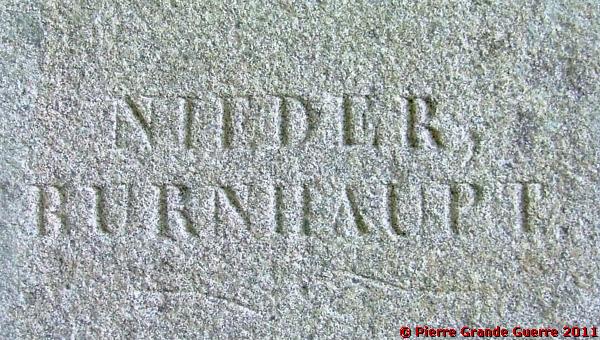
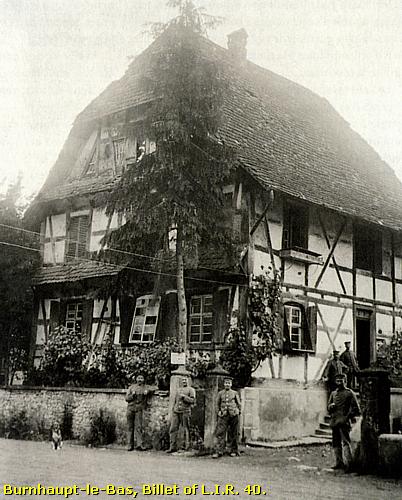
Burnhaupt-le-Bas or “Nieder Burnhaupt”. Major
Melchers (not on this picture)
commanded the 3rd Battalion from
Burnhaupt-le-Bas.
The commander of L.I.R. 40, Oberst (
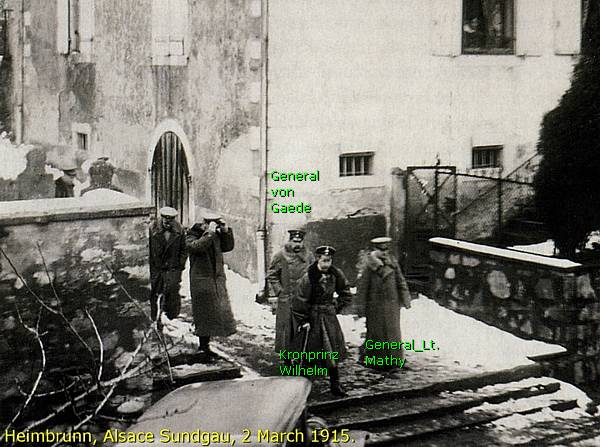
Colonel ) D. Koch had his regimental headquarters at Heimbrunn, a village directly east of Burnhaupt-le-Bas.
In the south the 3rd Battalion was flanked by units of L.I.R. 123, and in the north, at Burnhaupt-le-Haut (“Ober Burnhaupt”), by several companies of its own L.I.R. 40 and later on with units of L.I.R. 110. The L.I.R. 119 was at the right flank of the Burnhaupt villages at the Kahlberg and at Aspach-le-Bas.
The French units
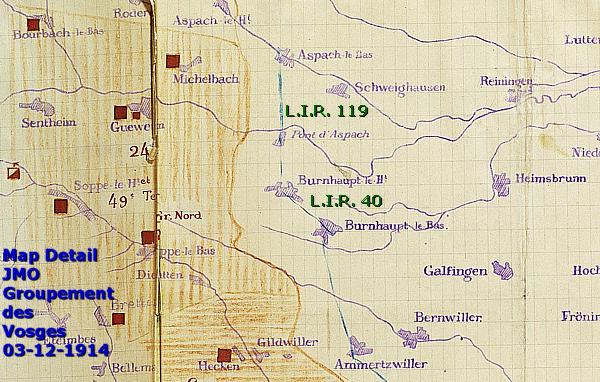
In July 1915 these German units were opposed by French units of the 114e Brigade d’Infanterie, part of the 57e Divison d’Infanterie de Réserve, a component of the Groupement des Vosges, the Vosges Army Group. The 56e Régiment d'Infanterie Territoriale, consisting mostly of older soldiers, guarded the lines opposite Burnhaupt at Guewenheim and Soppe-le-Bas.
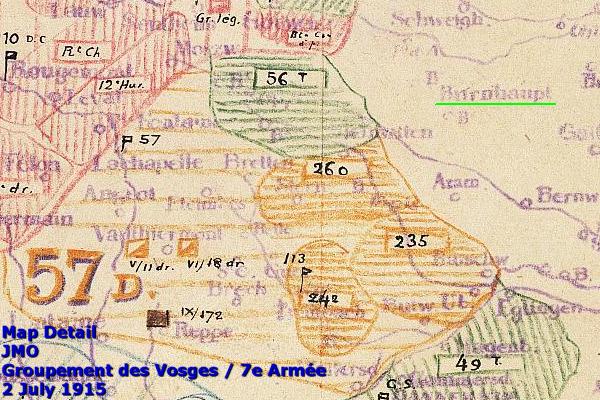
Attacks in the region of Burnhaupt
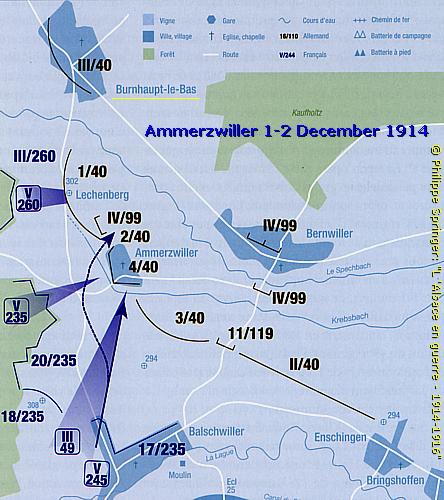
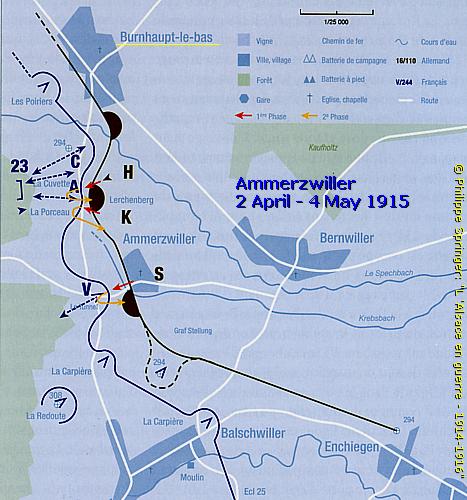
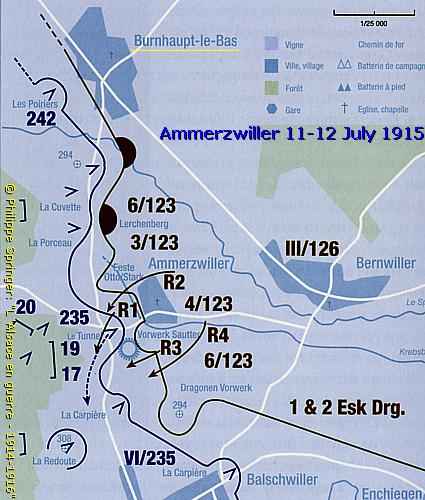
Though Burnhaupt-le-Bas was never itself the main target of French attacks, the village and it surroundings were literally sideways involved by attacks on the village, south of it, Ammerzwiller .
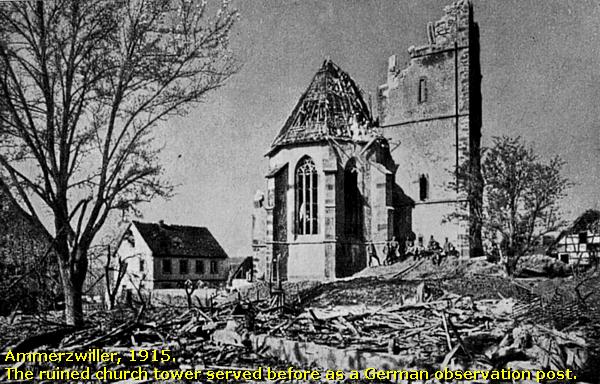
These battles were respectively fought on 1 and 2 December 1914, ...
... from 2 April until 4 May 1915, ...
... and on 11 and 12 July 1915.
Burnhaupt-le-Bas and Burnhaupt-le-Haut, January 1915
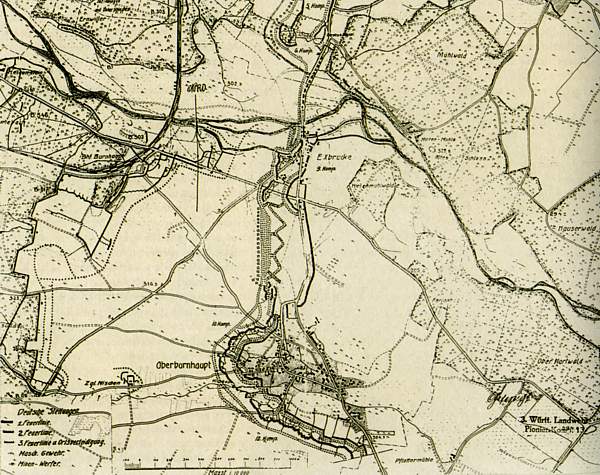
During the second week of January 1915 the fate of Burnhaupt-le Bas was directly connected to the fate of its northern sister village, Burnhaupt-le-Haut.
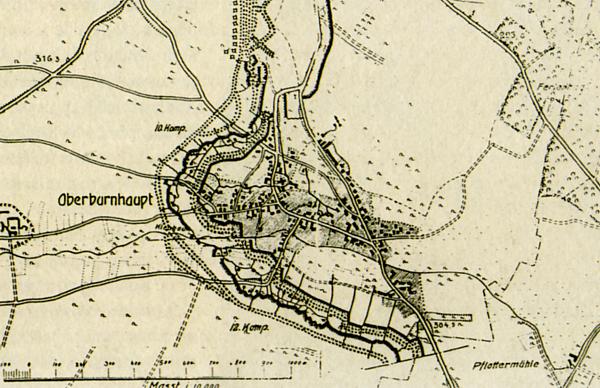
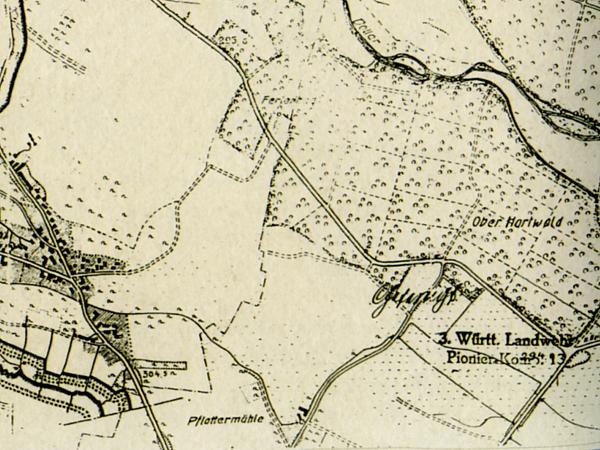
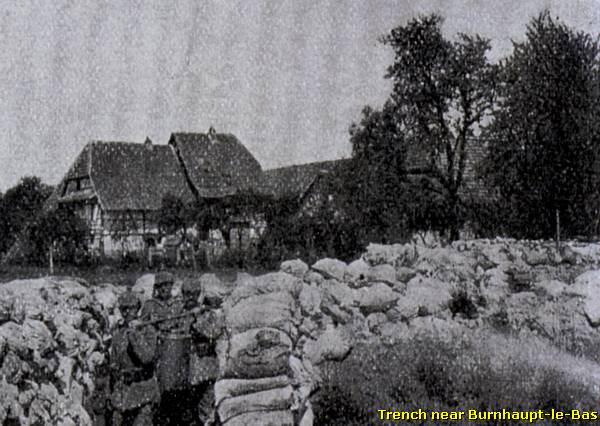
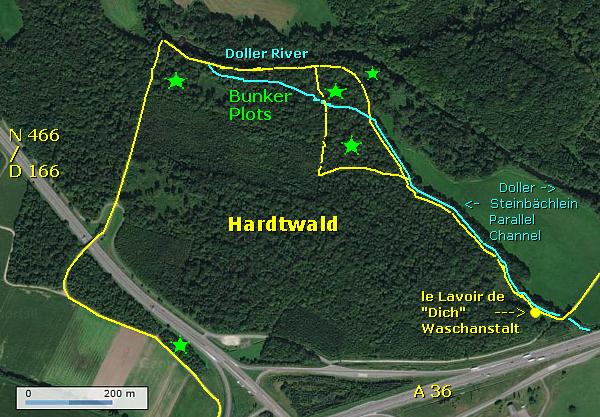
The first front line ran west of the villages and the second line was along the edge of the two villages. East of the villages, and south-east of Burnhaupt-le-Bas were 3rd line artillery positions like for instance in the wood of the Ober Hartwald, nowadays called "Har d twald".
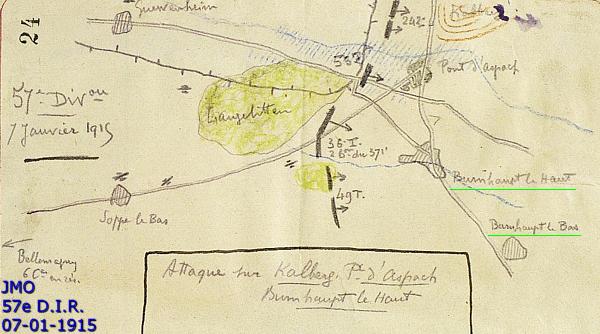
The Battle of Burnhaupt-le-Haut, 7- 10 January 1915
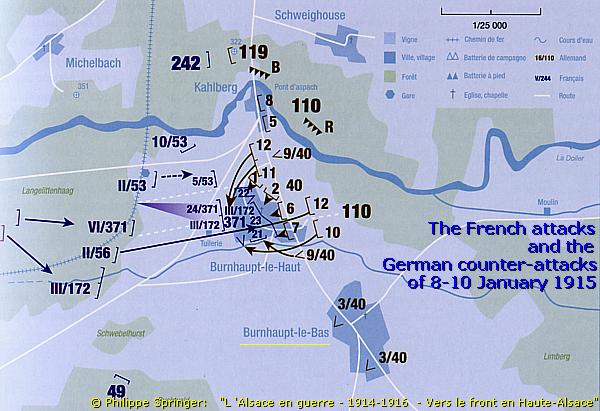
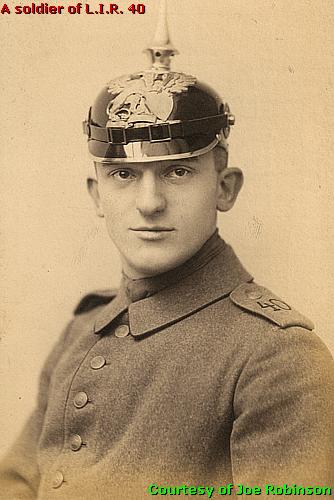
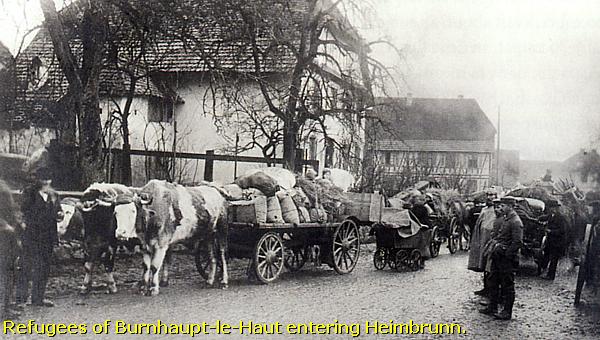
Compared to the French, the Germans had a relatively lower number of casualties - 150.
"Deutsche Kriegszeitung": French P.O.W.'s
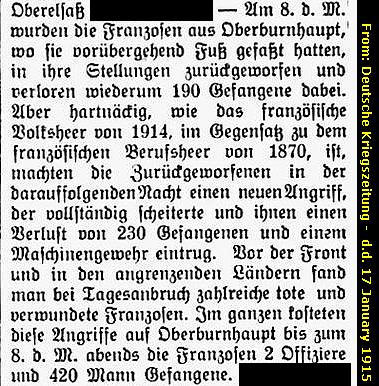
French casualties
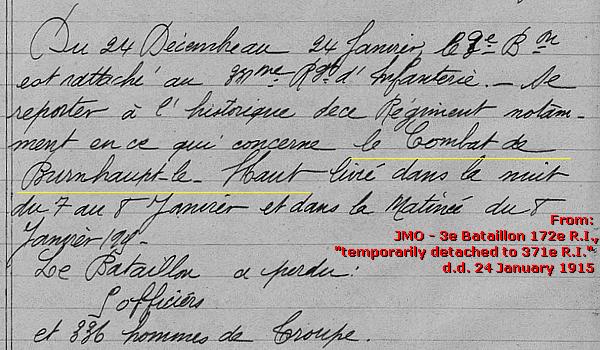
According to the French regimental war journals the situation was worse and these French attacks were rather disastrous. The 3rd Battalion of the 172 R.I., temporarily detached to the 371e R.I., lost during the “Battle of Burnhaupt-le-Haut” 2 officers and 336 men; approx. 19% of their unit.
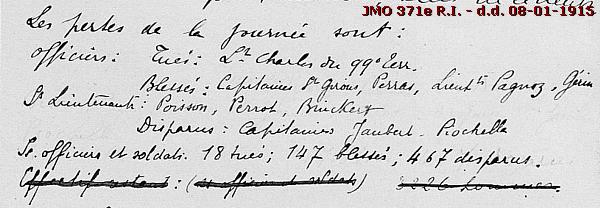
The 371e R.I.
counted at the first day of the battle: two
officers killed, 7 officers wounded, and 2
officers missing in action. Casualties of NCO’s
and soldiers: 18 killed, 147 wounded, 467 M.I.A.
(or P.O.W.), approx. 23 % of
their unit . There is no casualty list to be
found on the page of the 9th. After the battle,
on 25 January, these high casualty numbers even
forced this regiment to reorganise
thoroughly.
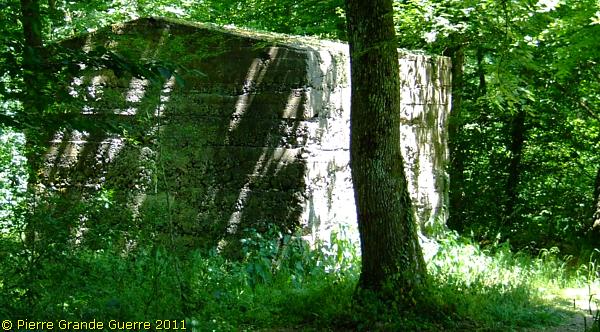
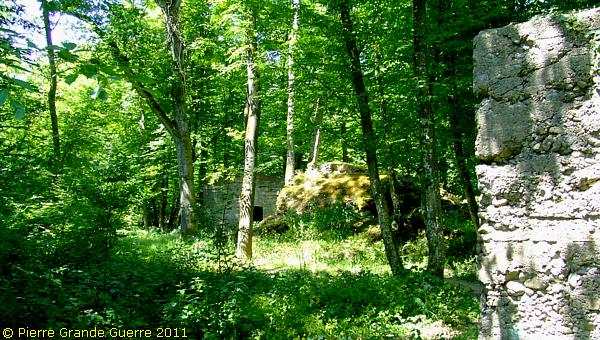
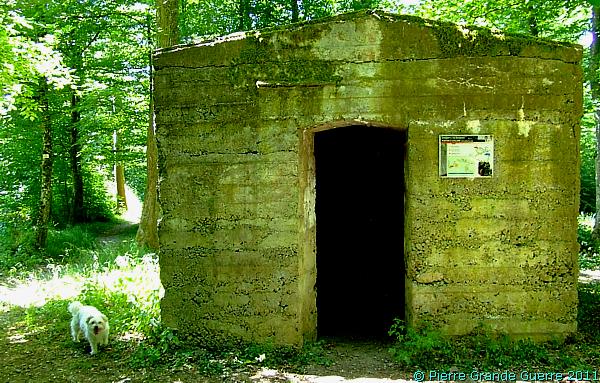
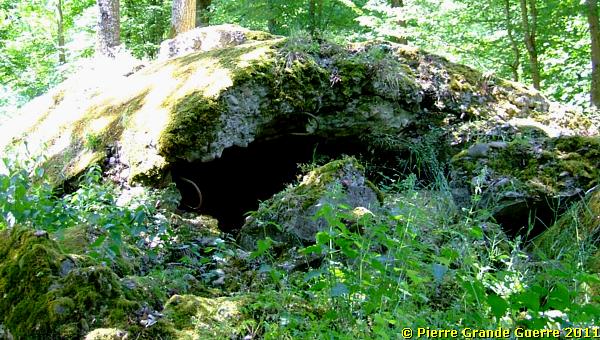
Next a damaged shelter bunker.
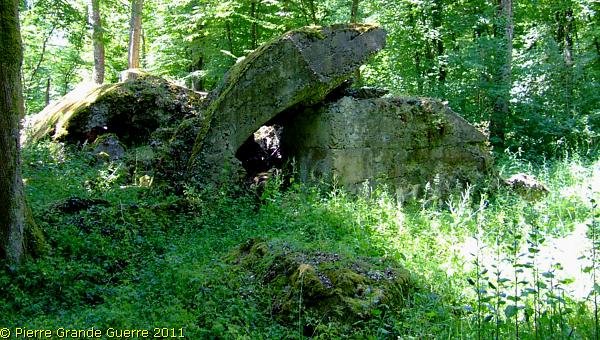
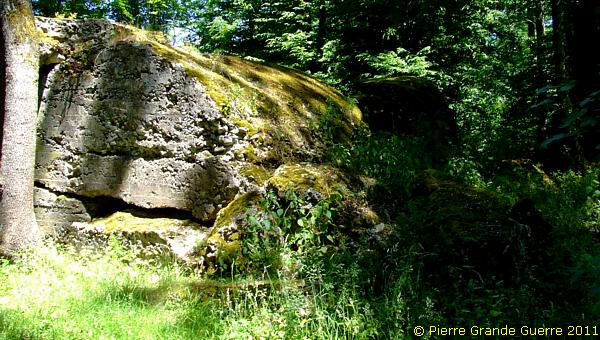
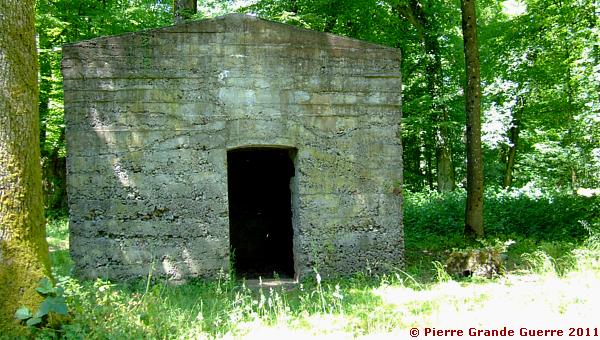
The second ammunition bunker at this plot.
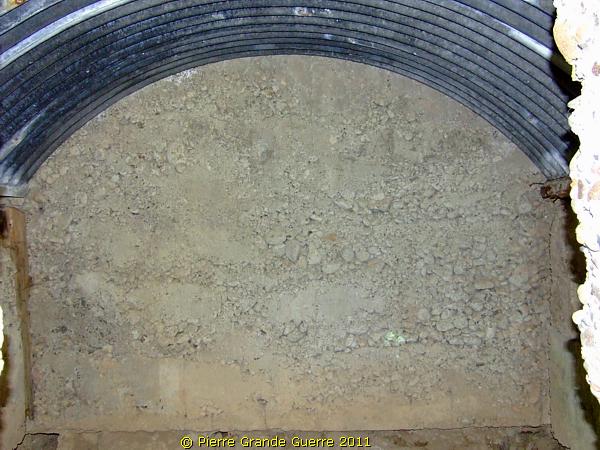
The interior.
The second shelter bunker with relics of the breast works.
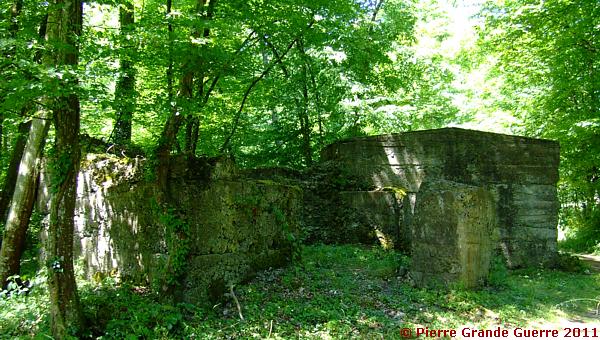
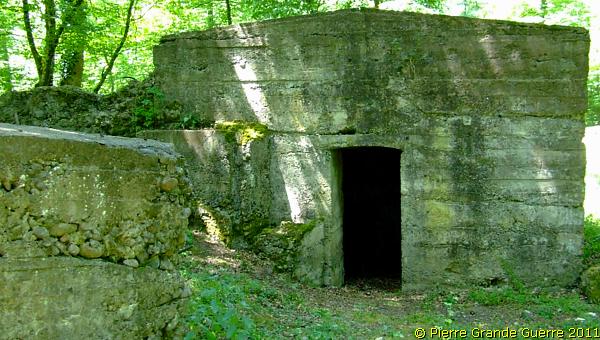
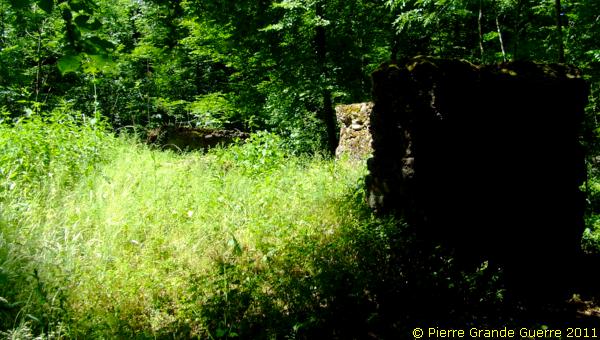
The third, damaged shelter bunker of this plot.
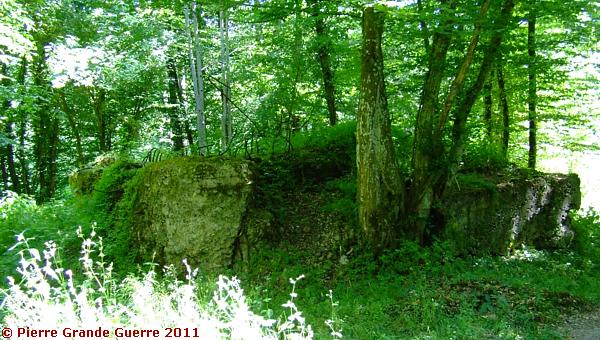
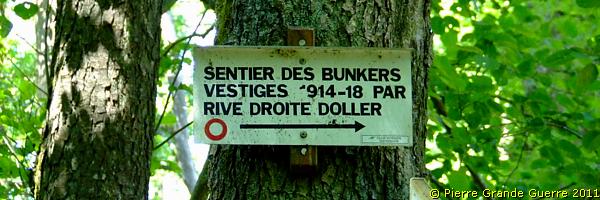
We follow the signs, which will lead us to ...
... the right bank of the Doller.
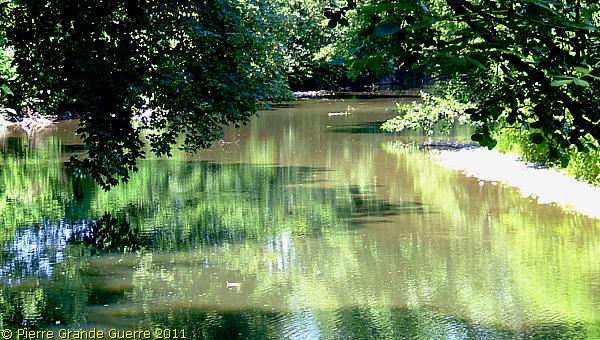
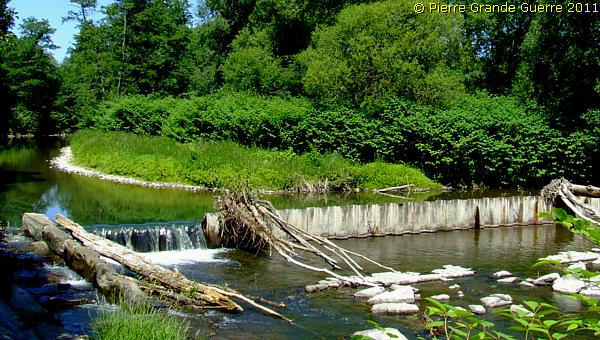
From the Doller we continue our walk south-eastward, ...
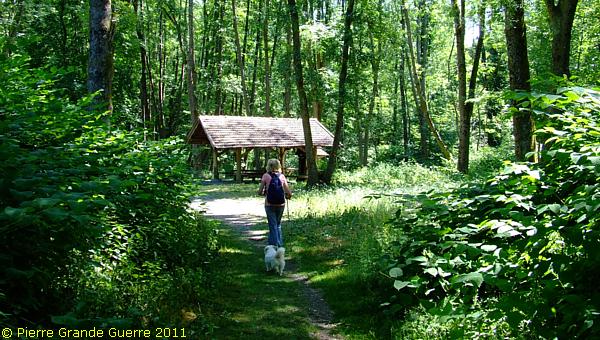
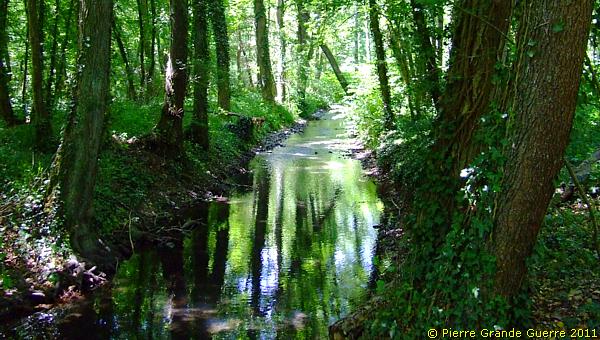
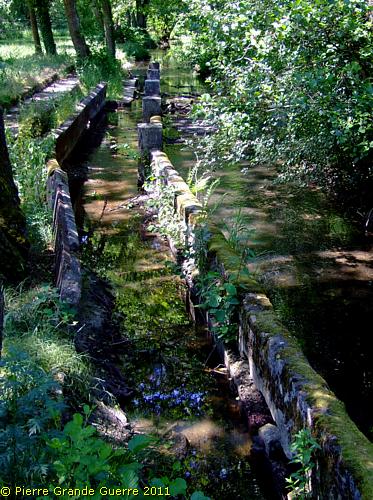
... roughly following the parallel channel, the Steinbächlein.
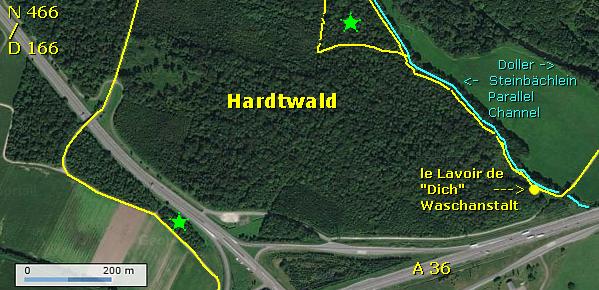
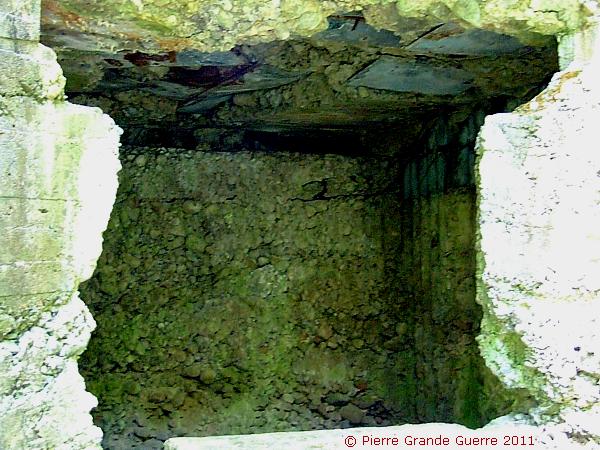
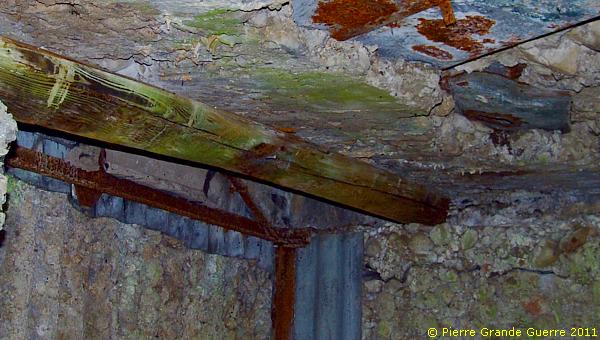
It stands at the start of a forest lane ...
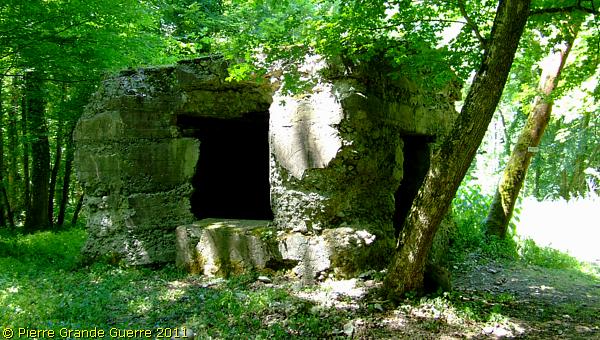
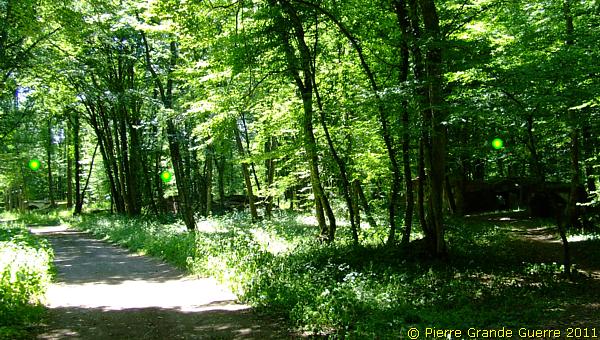
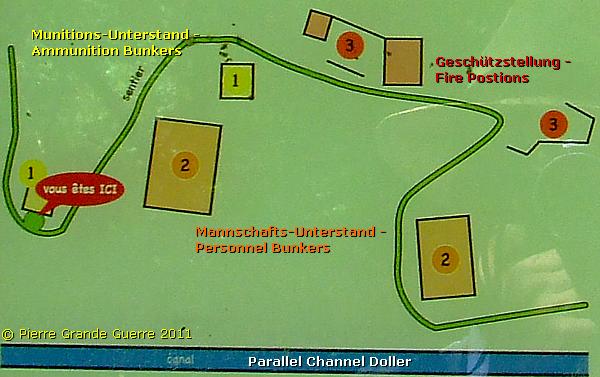
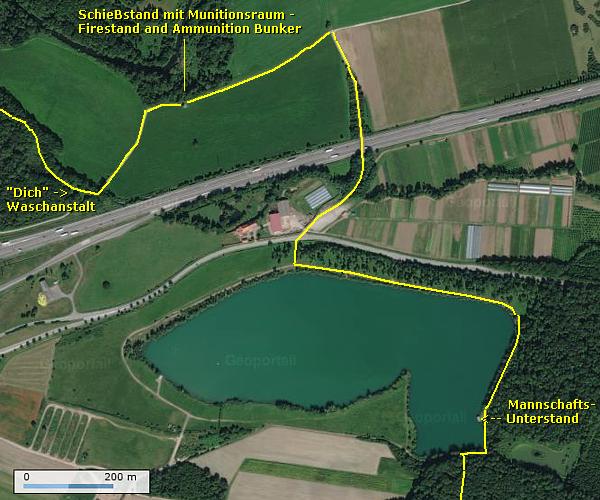
The view point of this photo is to be found below in the sketch.
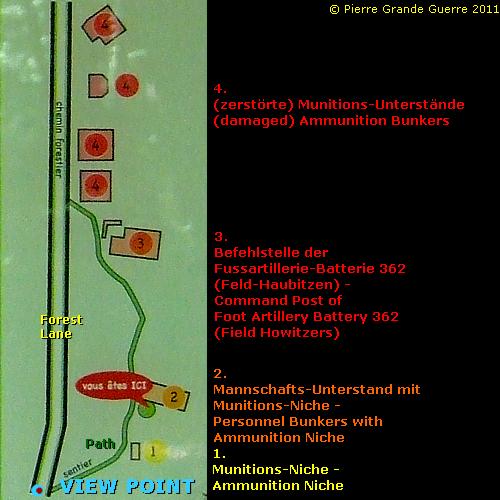
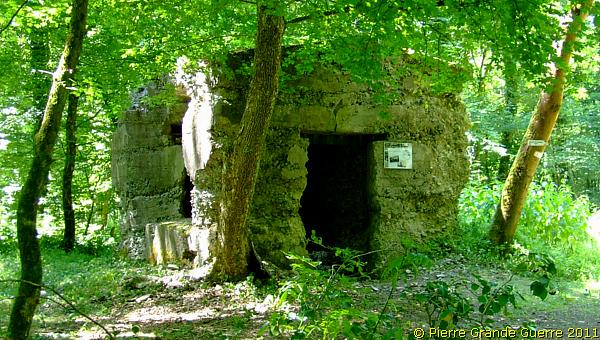
We will visit this personnel bunker with in front of it an ammunition niche.
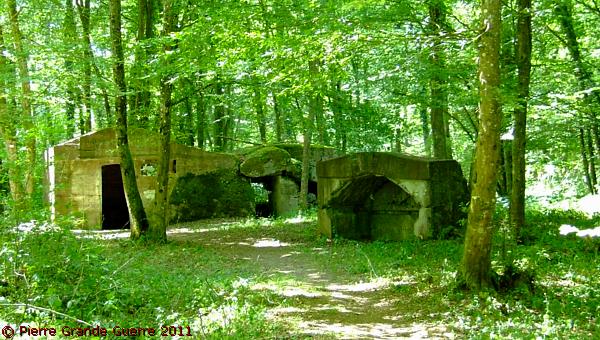
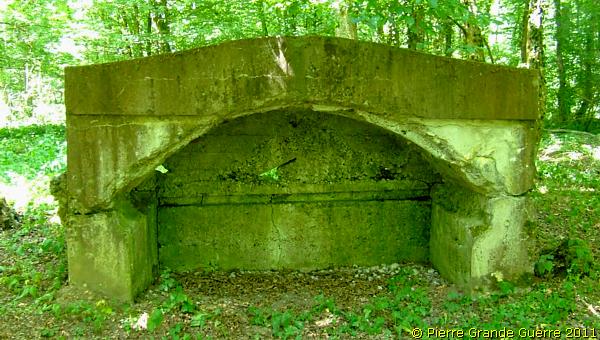
The concrete ammunition niche.
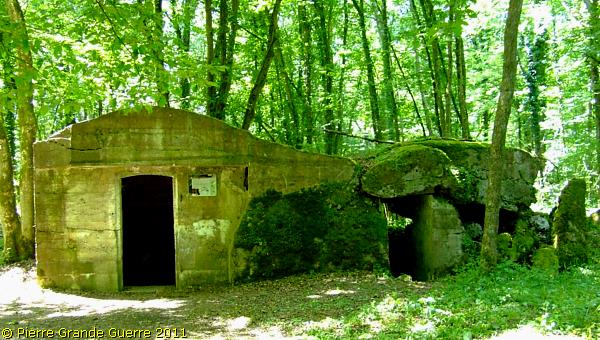
The personnel shelter bunker, partly damaged.
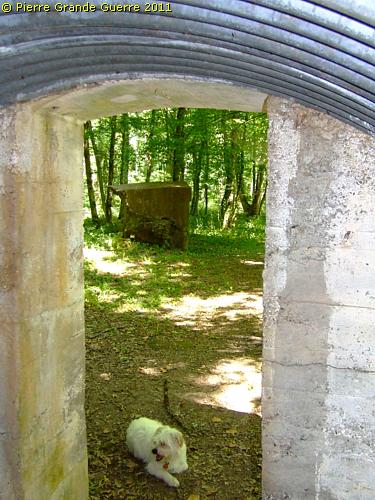
We continue to the ...
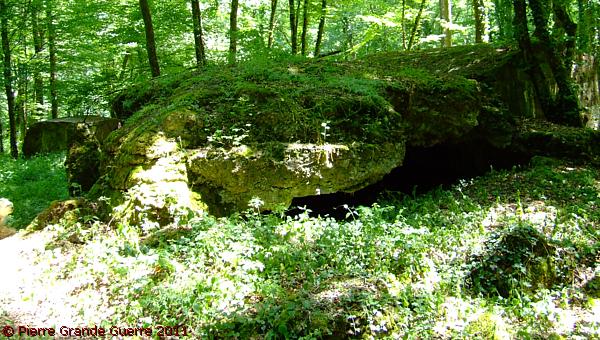
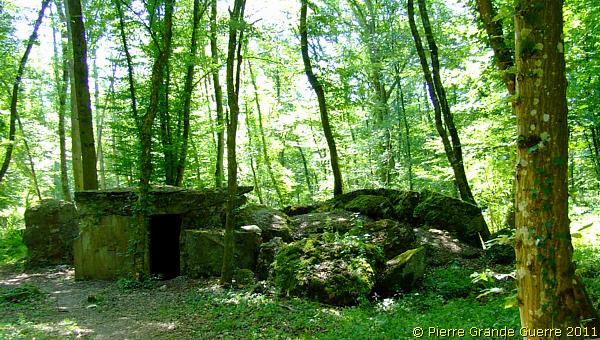
... "Befehlstelle der Fussartillerie-Batterie 362", or ...
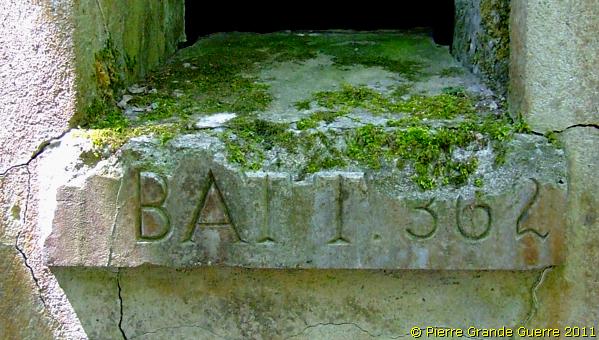
The inscription of Fussartillerie-Batterie 362.
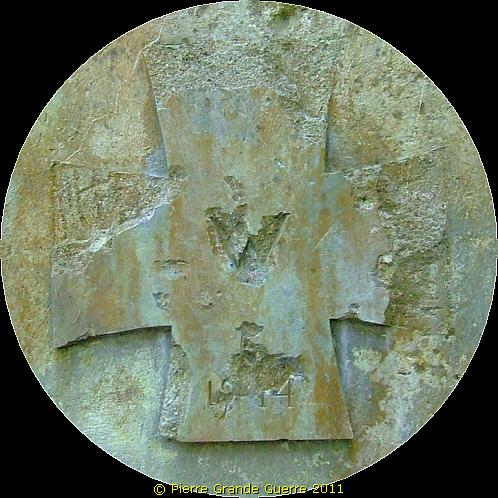
The bunker is decorated with Prussian crosses, ...
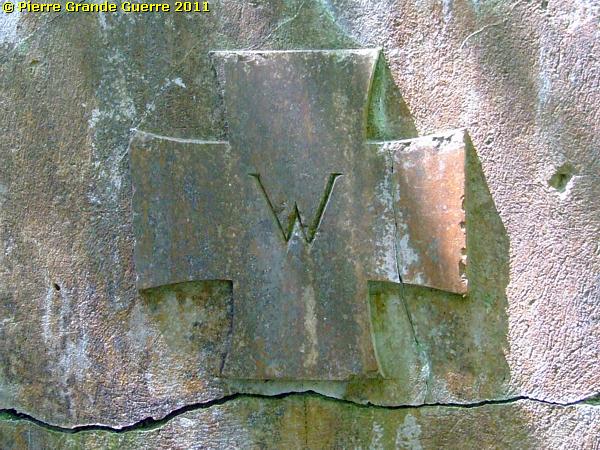
... marked with a W of Kaiser "Wilhelm", ...
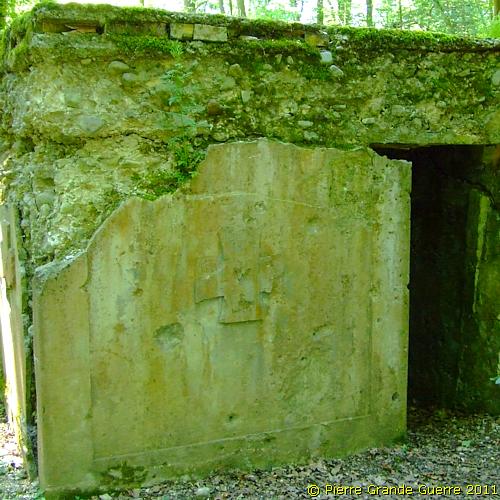
... which is also the shape of the distinction of the Iron Cross.
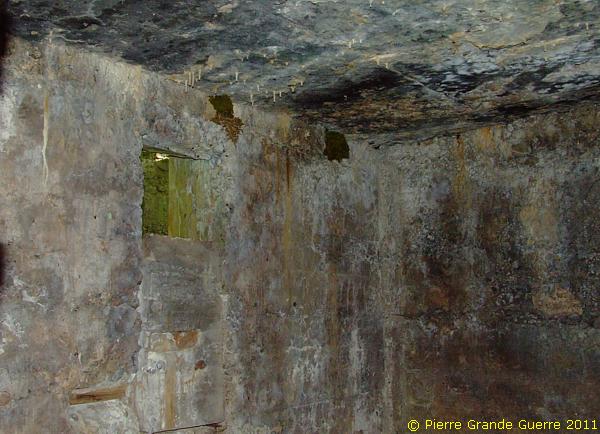
A view at the interior.
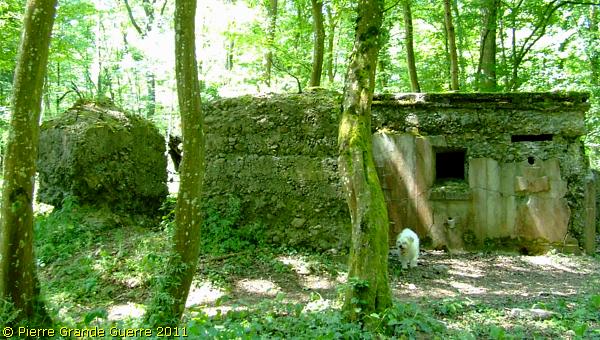
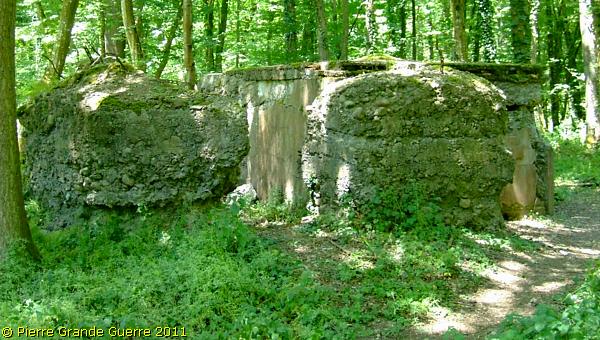
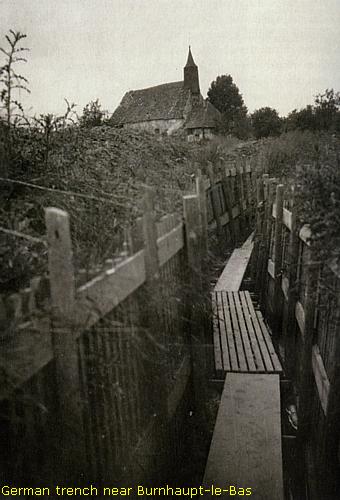
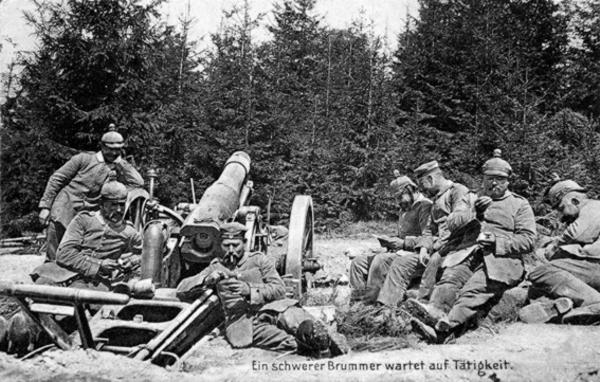
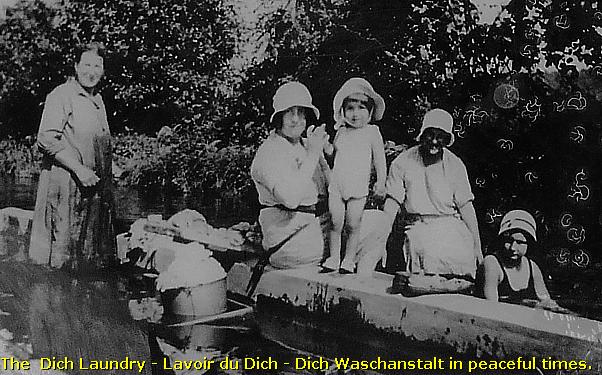
This spot made me think of this period photo.
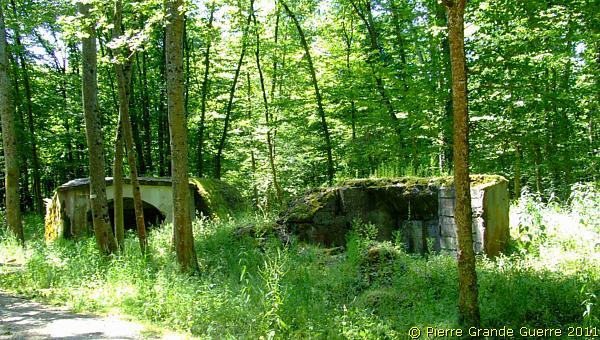
... two destroyed ammunition bunkers, ...
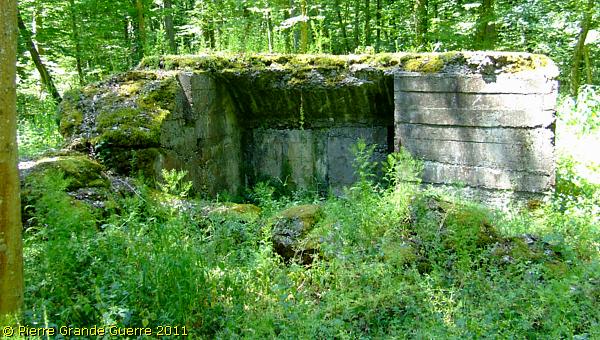
...
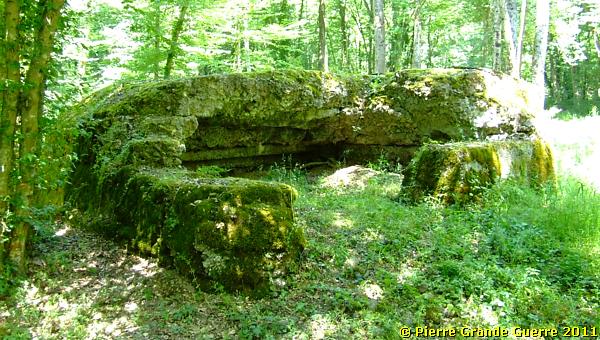
... and an ammunition bunker with a niche in front of it.
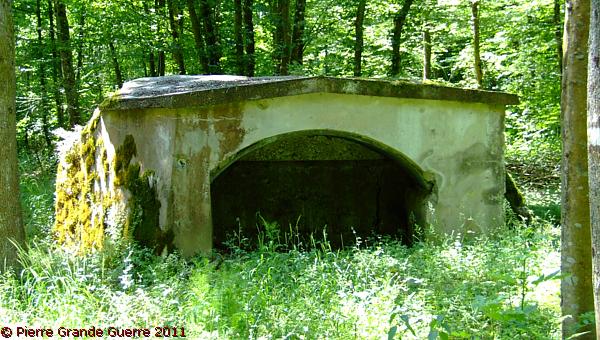
This ammunition bunker is still in a good condition.
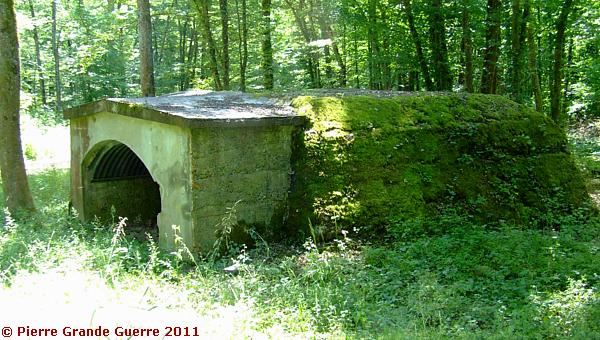
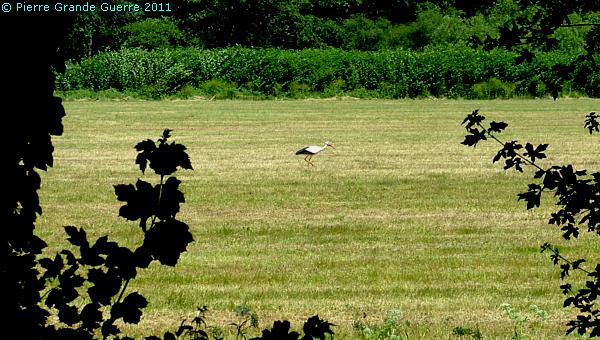
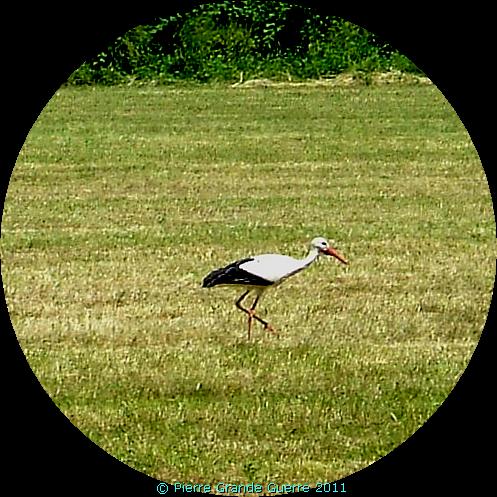
From the edge of the wood we spot on an open field this stork.
The stork forms the national symbol of the Alsace.
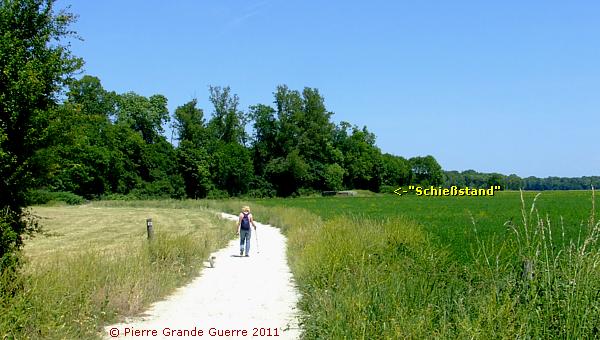
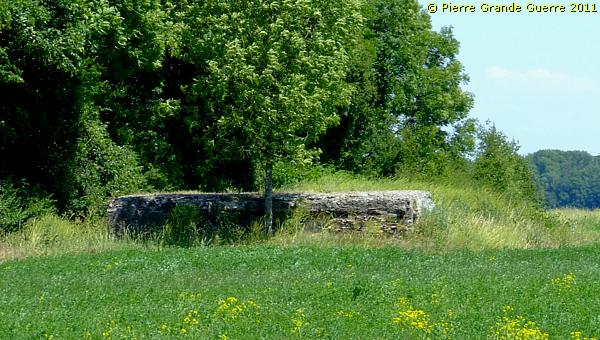
The entrance and staircase.
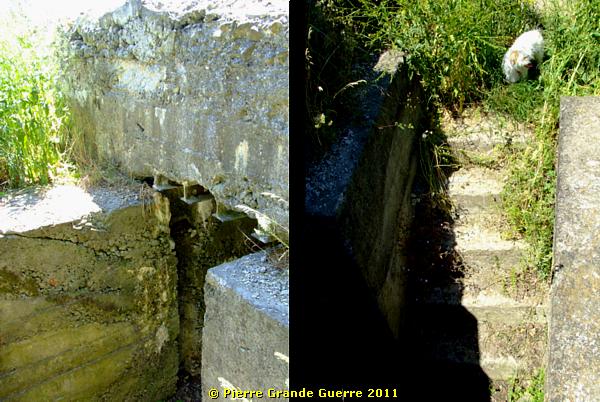
The two rooms interior with an ammunition niche.
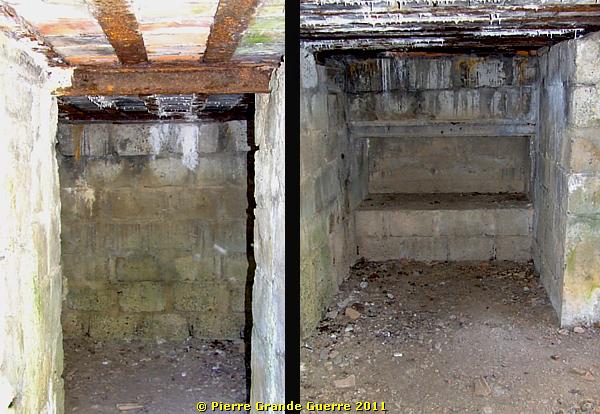
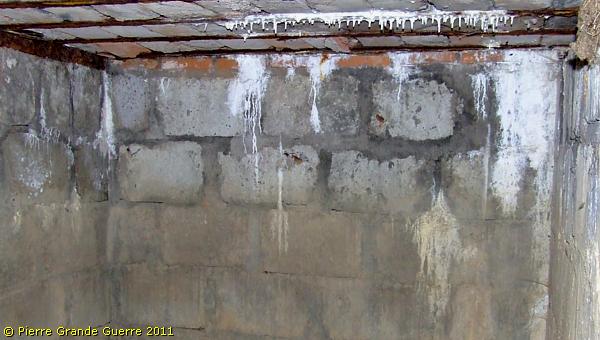
The interior of the gallery with the filled in loopholes.
Across the lake, at the south-east bank, we spot a bunker.
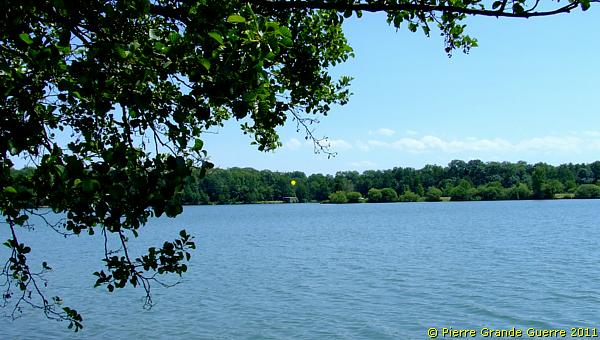
A tele view over the lake.
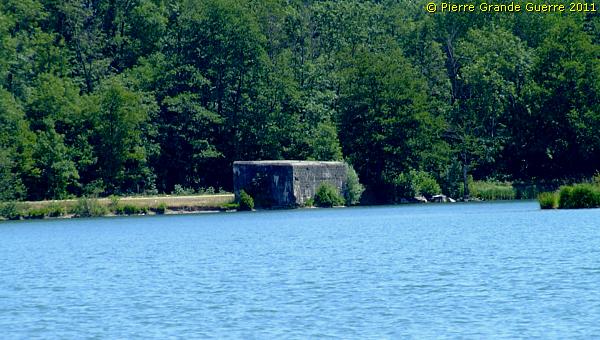
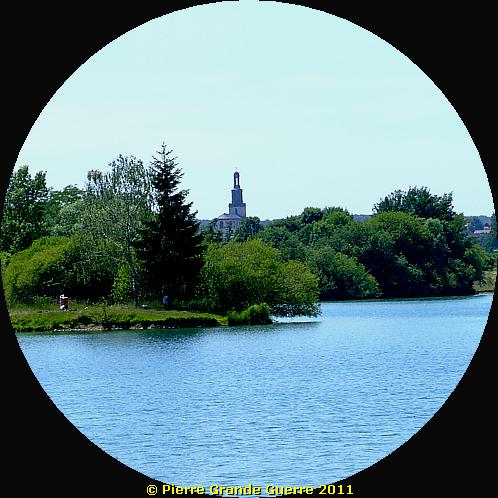
View from the south-east bank of the lake at Burnhaupt-le-Bas.
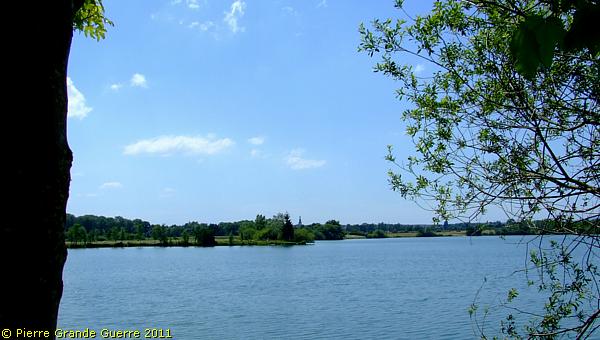
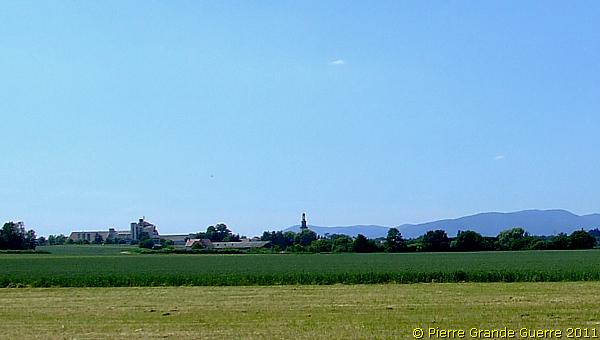
Tele view of Burnhaupt-le-Bas.
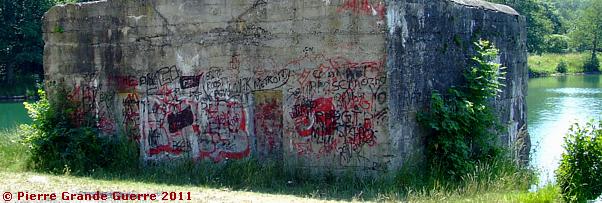
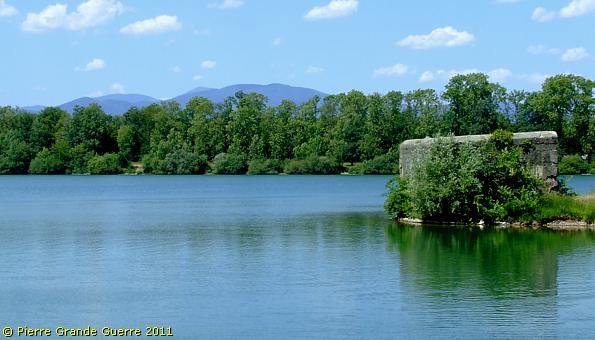
The same bunker, seen from the south, sinking slowly in the lake.
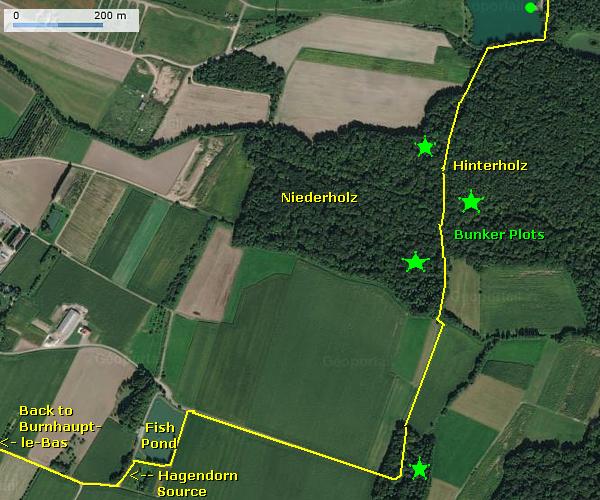
.... and we enter the Hinterholz wood for a plot of 5 bunkers.
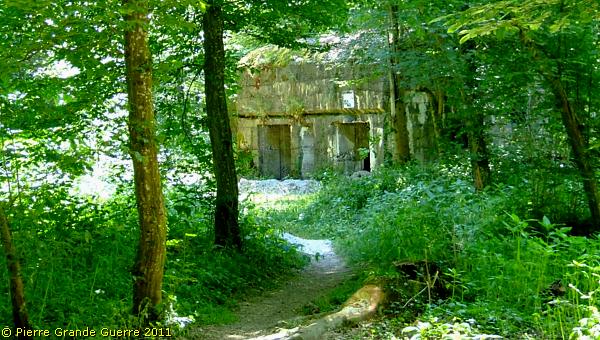
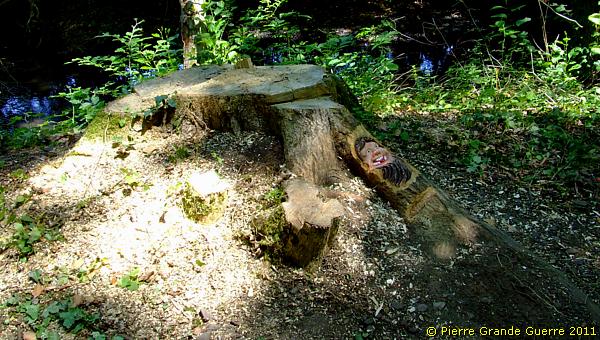
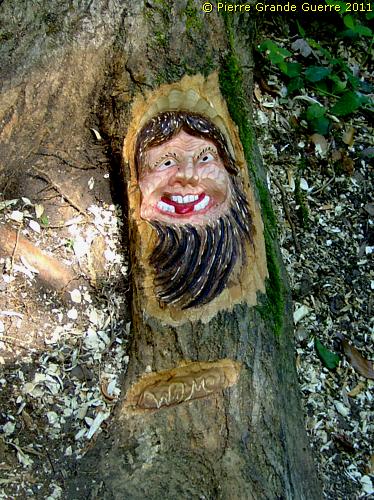
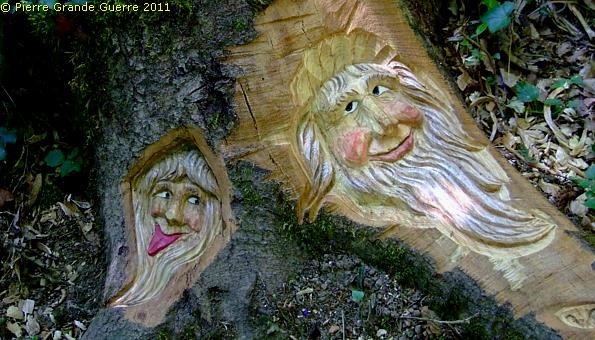
At the right side of the path we find this time 2 funny goblins.
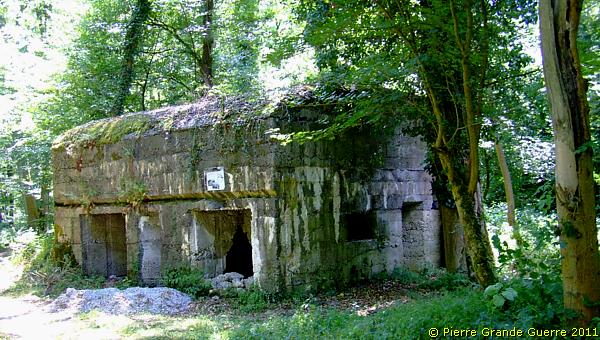
The first bunker is a double one. Considering its state and large windows it may have served as an officers bunker.
Next a second personnel bunker with chicane shaped entrances.
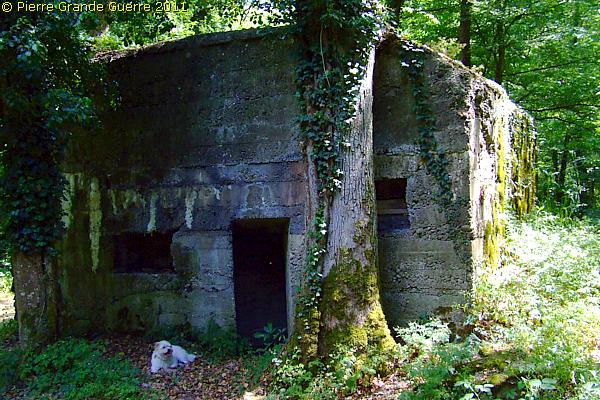
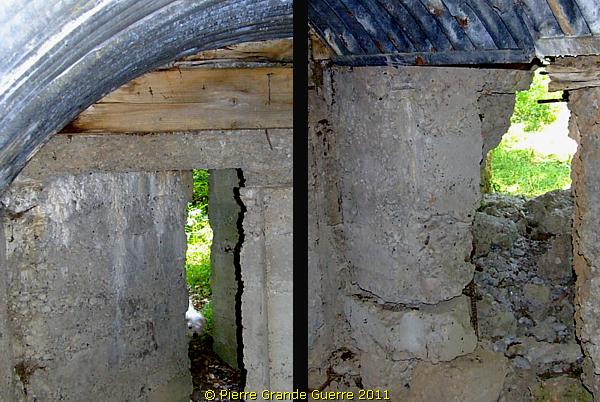
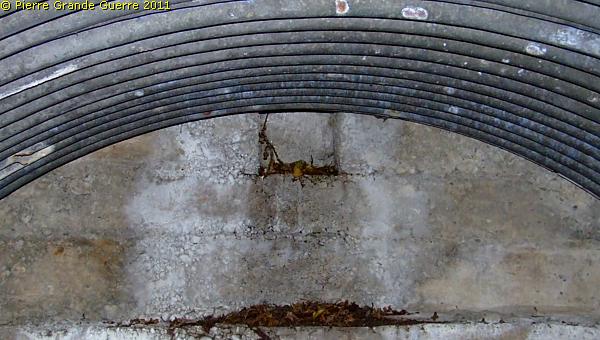
The ceiling is still in a perfect state.
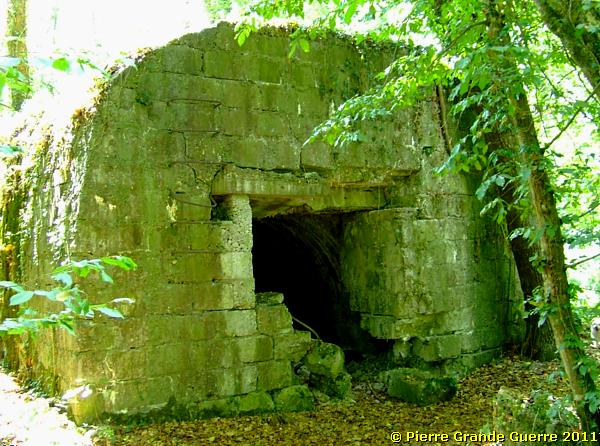
The third bunker is an ammunition bunker.
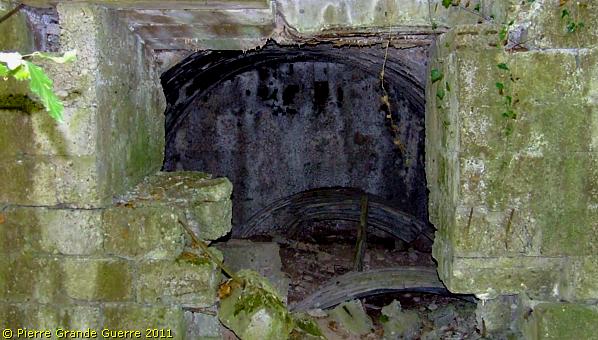
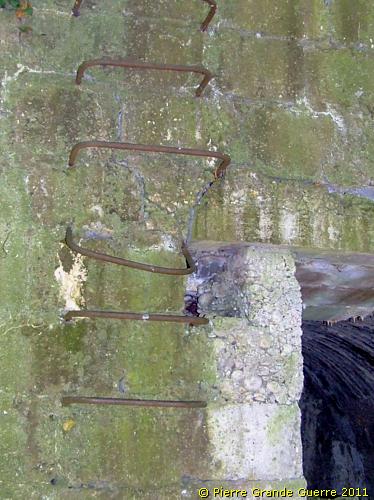
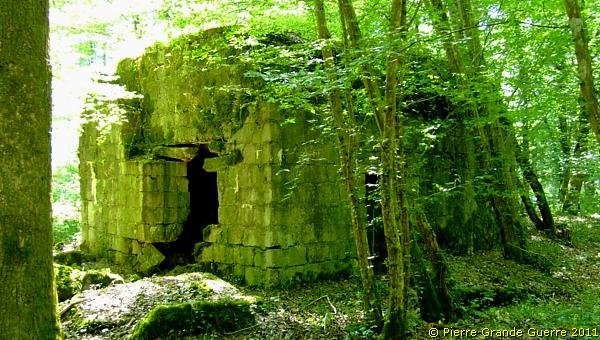
The interior.
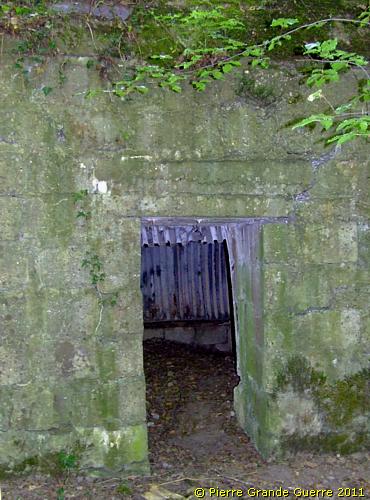
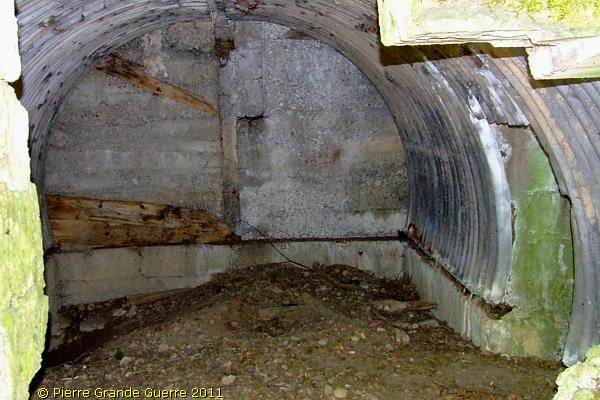
Almost hidden by the vegetation, two bunkers next to each other.
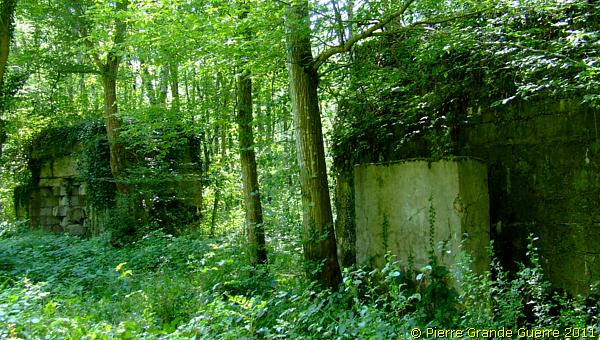
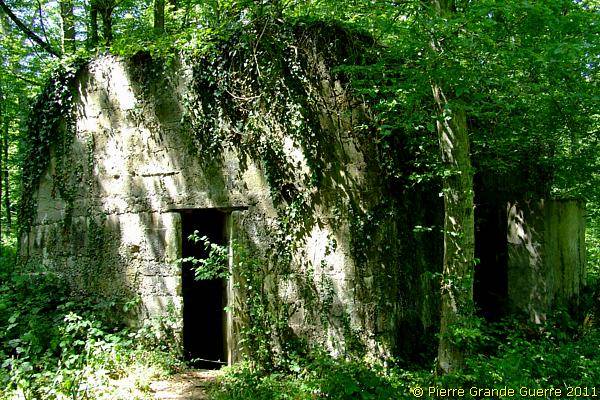
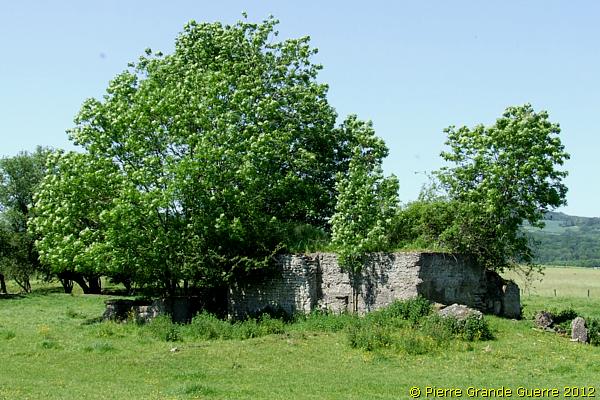
Only a half is left of this twin shelter bunker.
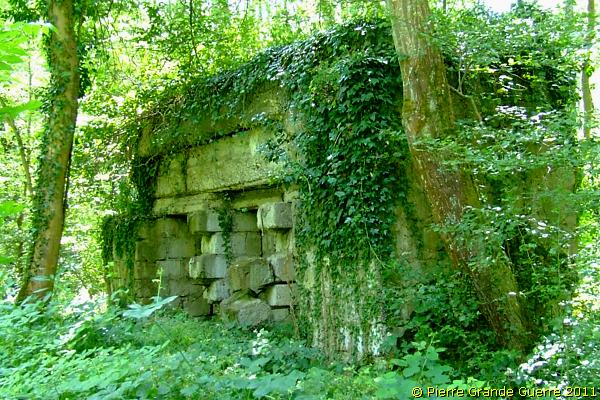
We continue some 200 m. southward.
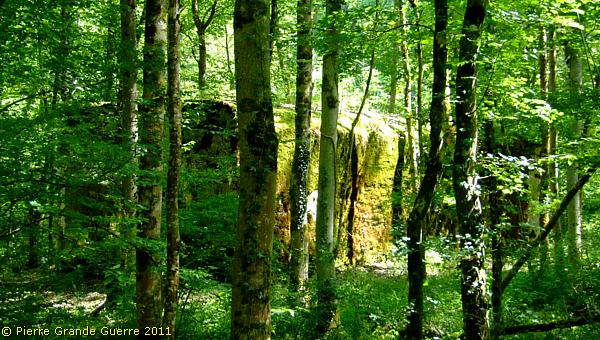
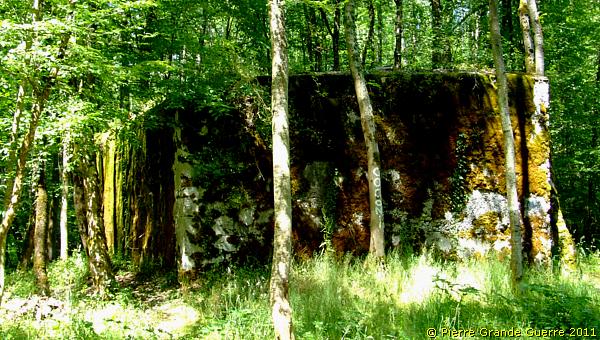
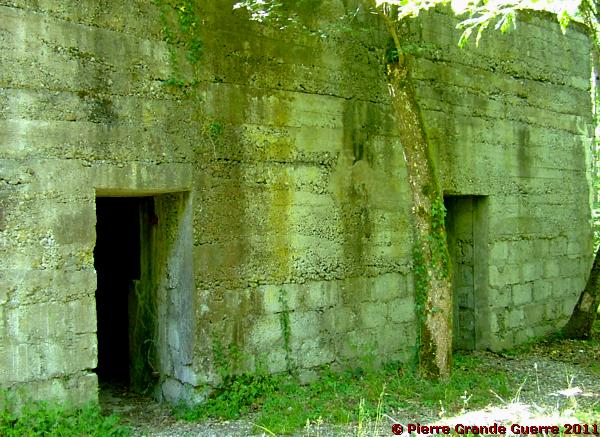
The two entrances on the north-east side.
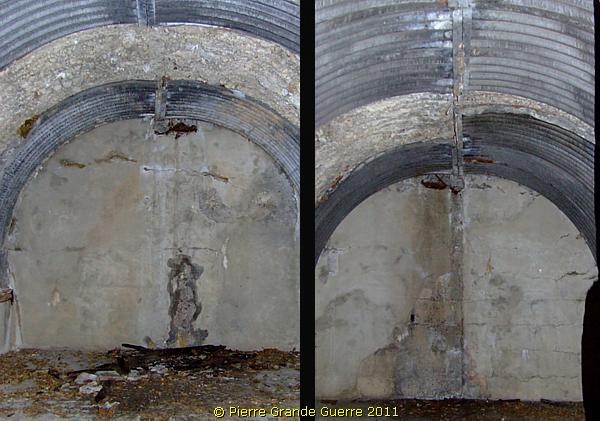
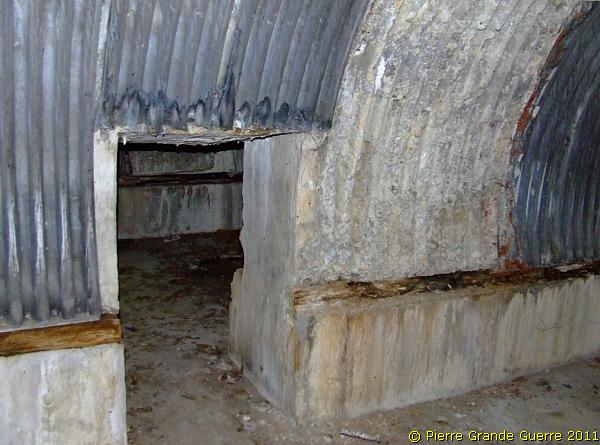
We continue some 150 m. southward.
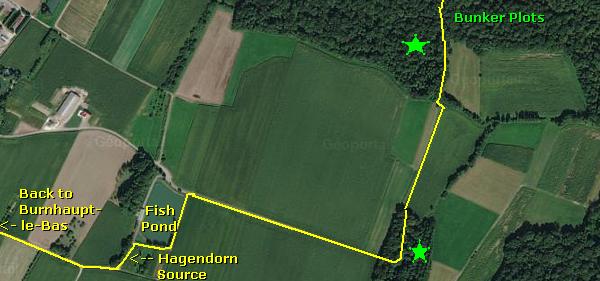
At the western side of the path we find a double shelter bunker.
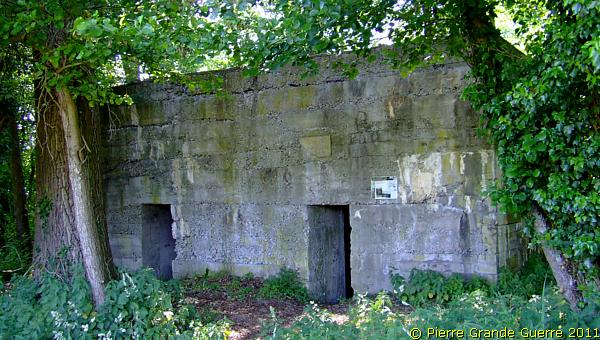
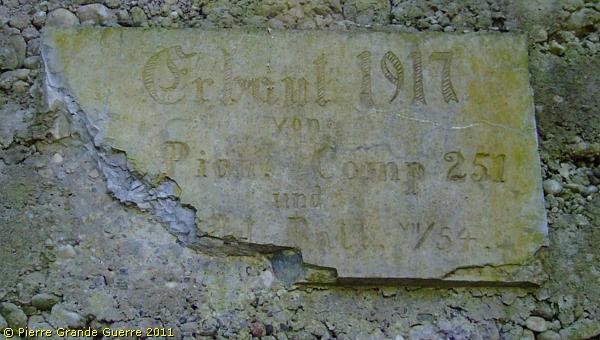
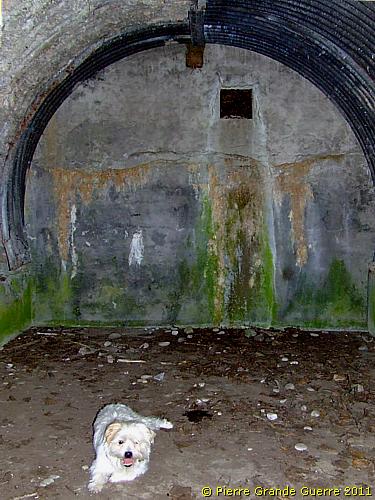
The interior of the right bunker.
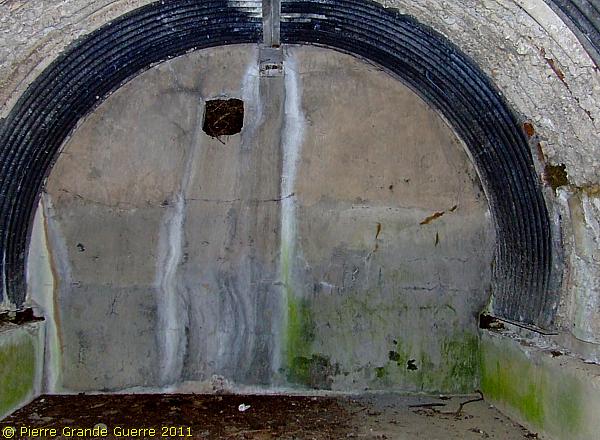
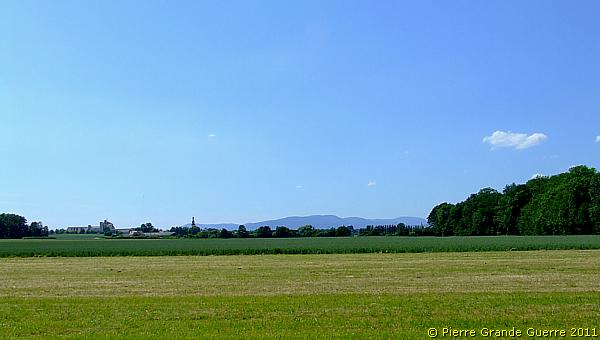
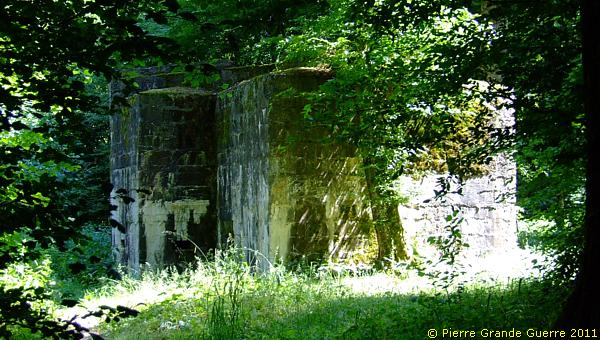
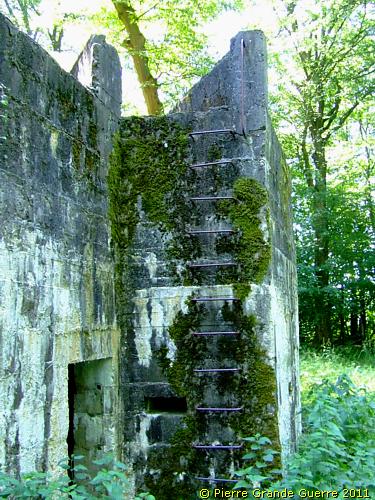
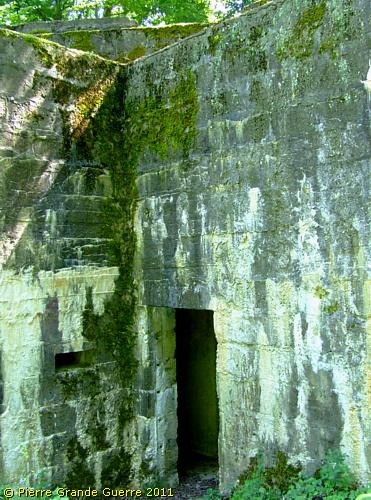
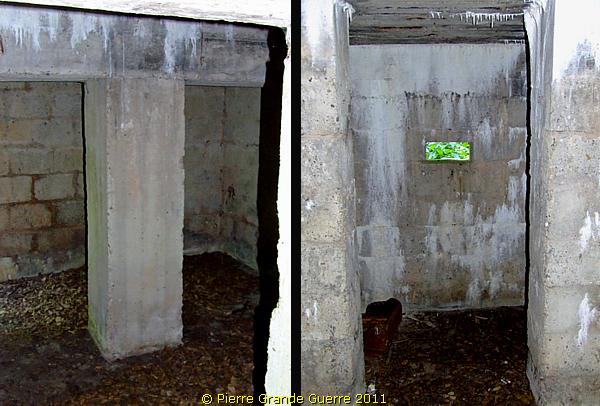
The interior possesses two rooms.
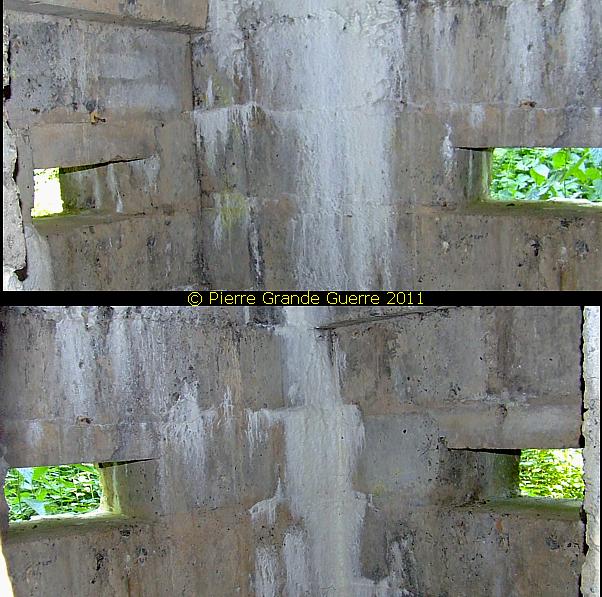
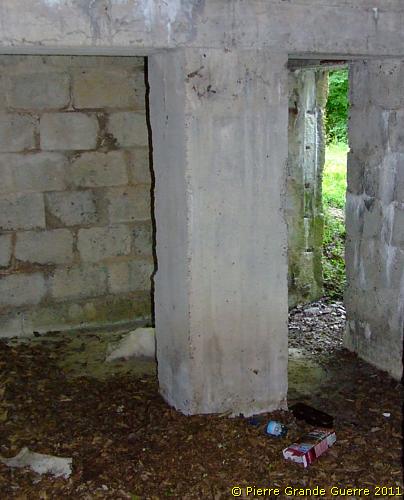
The rear side of the artillery observation post.