St. MIHIEL SALIENT - Fort de Troyon
Year of visit: 2005
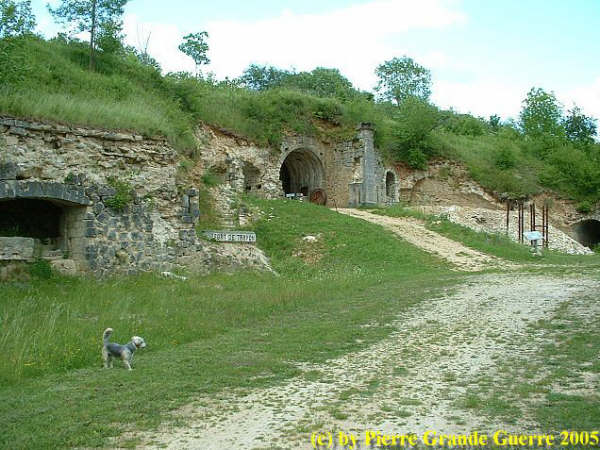
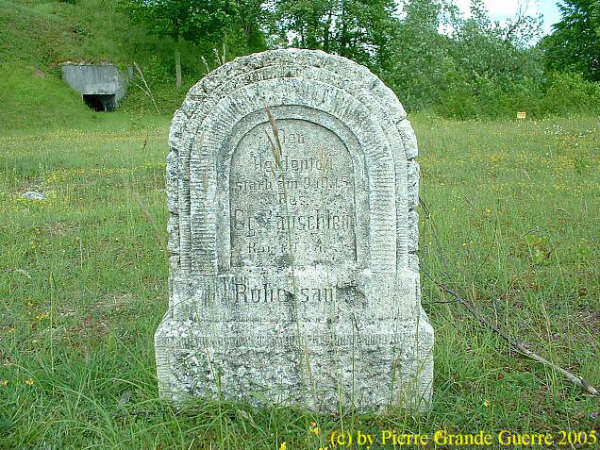
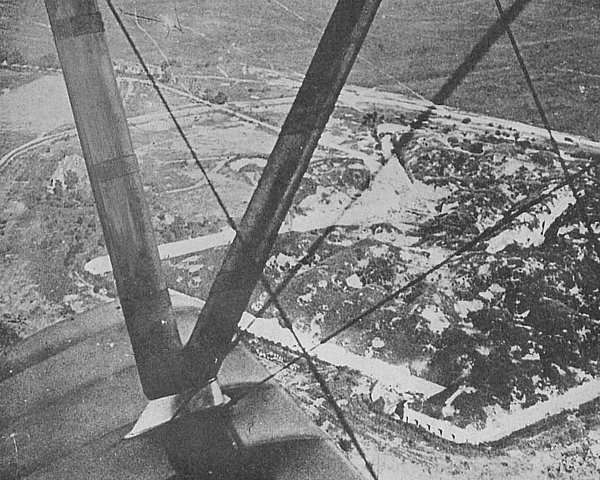
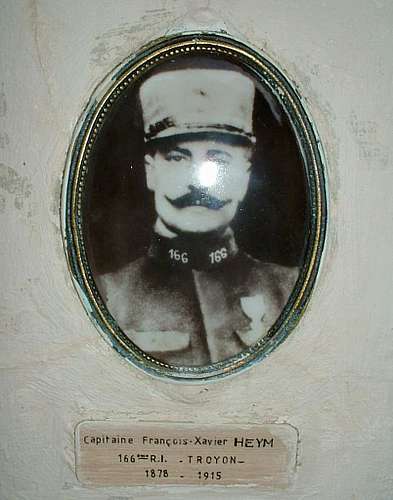
North of St. Mihiel, along the banks of the Meuse and the D 964, lies the Fort de Troyon. This site tells us the story about the heroic defense by Capitaine Heym and his garrison against the German attacks of September 1914.
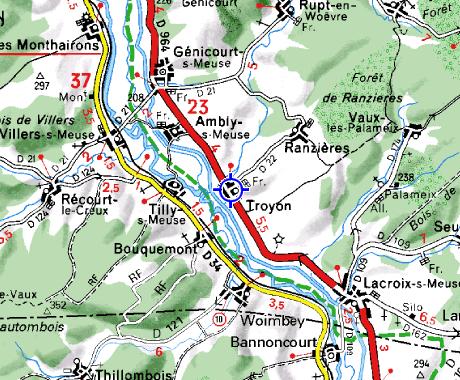
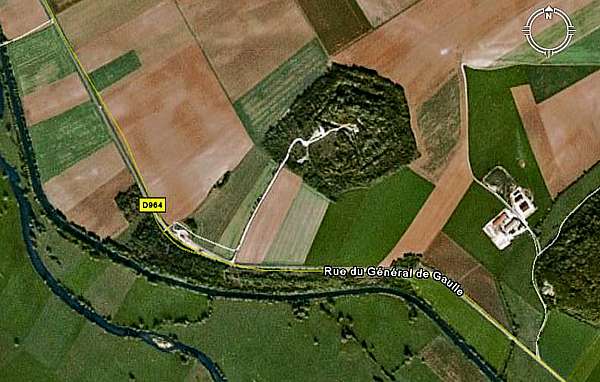
We approached the fort from the same direction as the Germans did in September 1914.
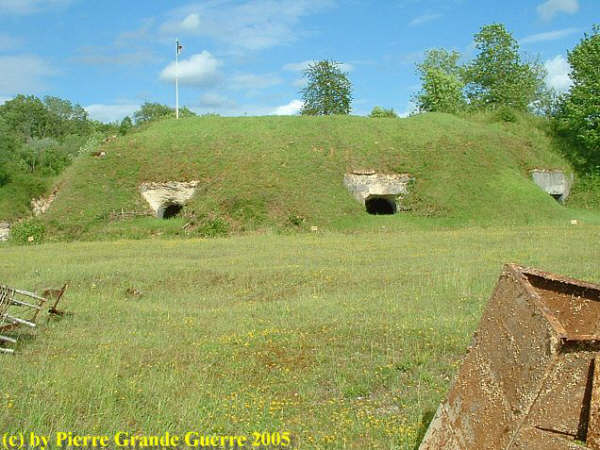
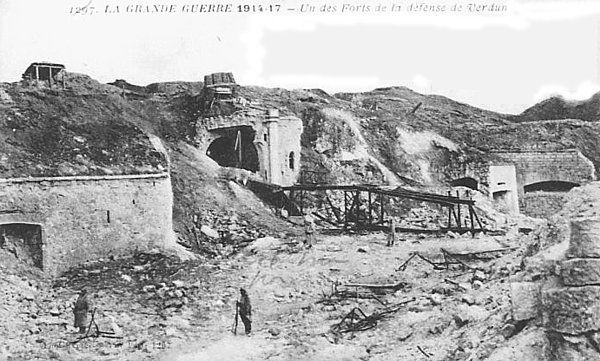
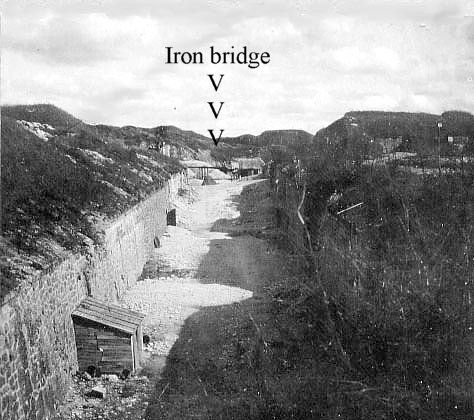
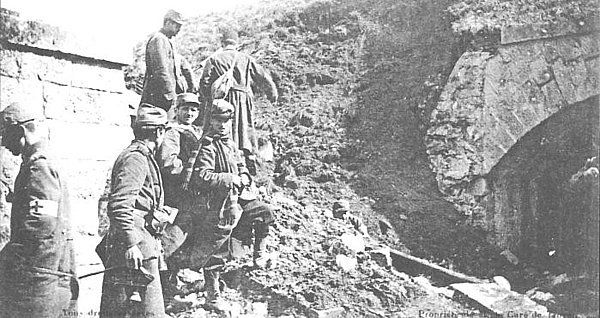
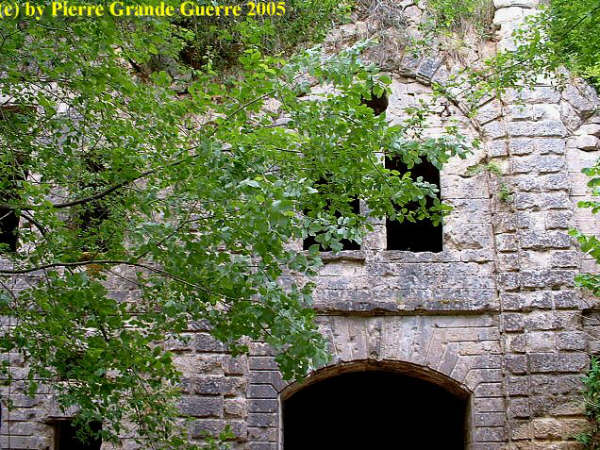
This is the main entrance of the Fort, where used to be an iron bridge,...
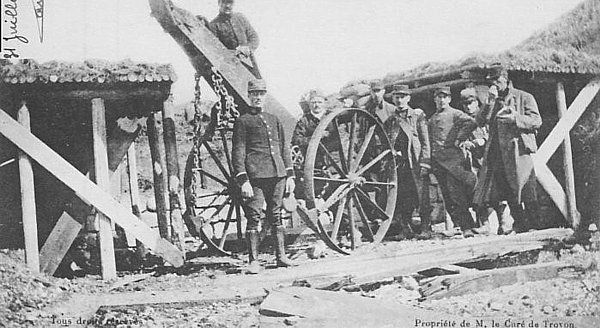
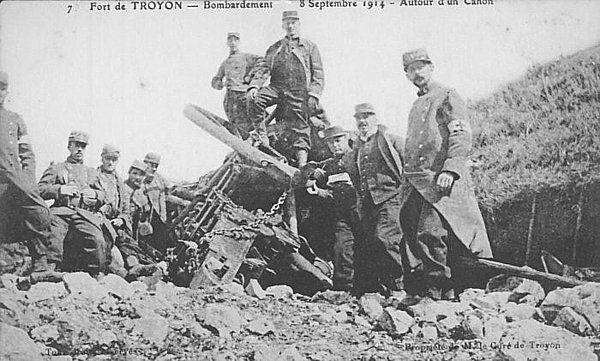
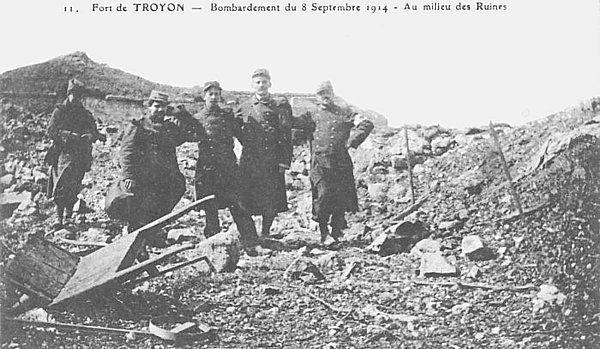
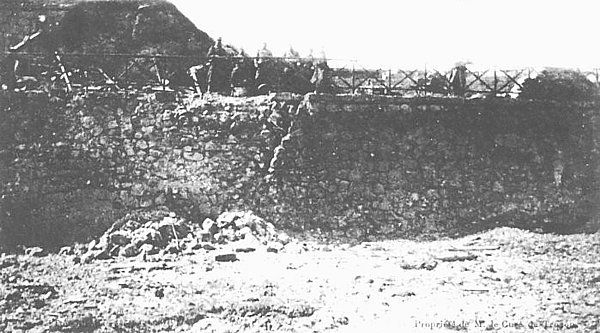
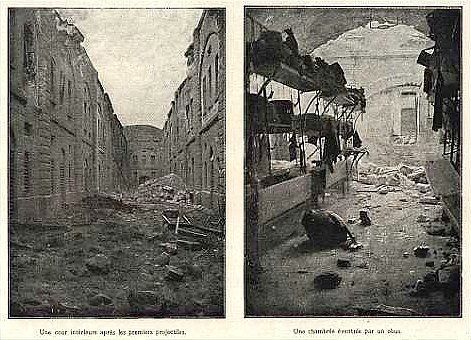
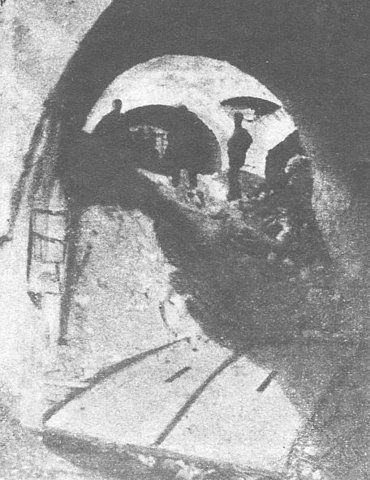
... as we can see in these period photos after the German artillery bombardement of 8 September 1914.
General information about the Fort de Troyon
The fort has a surface of some 40 hectares.
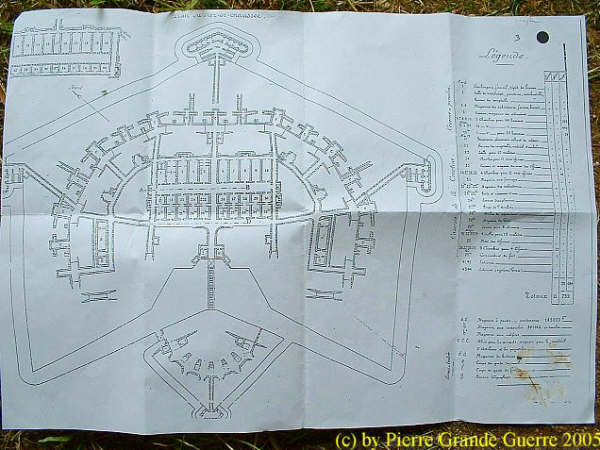
In 1914 there were only 400 soldiers defending it, armed with 4 artillery guns of 120 mm and 12 guns of 90 mm.
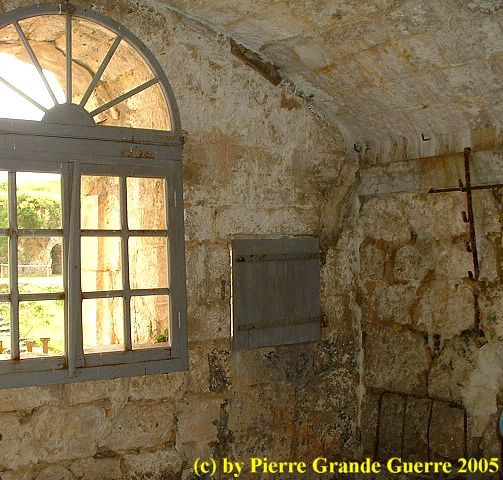
We enter via the main gate into the guard room overseeing the bridge. Monsieur André Stalens, custodian of the fort, tells us the story of Capitaine Heym.
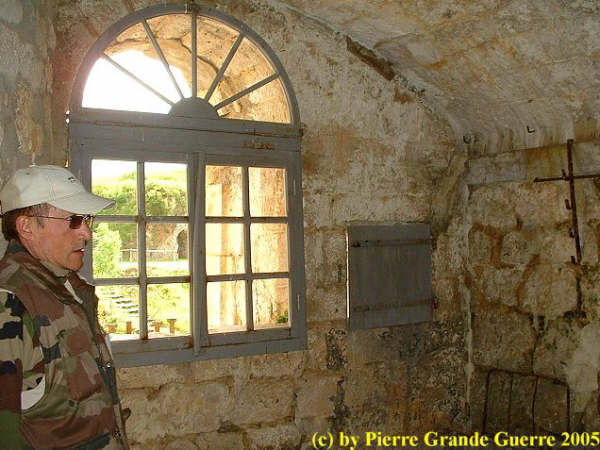
Capitaine Heym
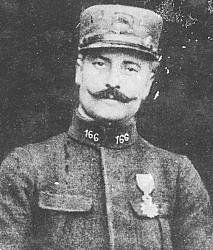
Because of a recent incident of "desertion" of his predecessor, Capitaine Heym was appointed commander of the fort.
The German 5th Army bombarded the fortress on 8 September 1914.
Next I show you some French period photos of the damage of the fort, made some days after 15 September 1914.
On 9 September 1914, 6 German Cavalrists with a white flag appeared in front of the bridge. Capitaine Heym, severely wounded by shell fire and supported by 2 soldiers, stood in front of the main gate. The Germans asked Heym to surrender. Heym's answer was: " Capituler? Ne jamais, je preferre de incinérer dans les ruines que capituler !" - "Surrender? Never, I rather prefer to burn in the ruins than surrender!"
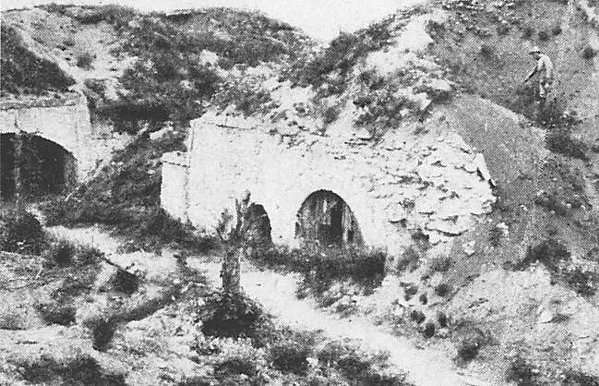
After 5 days of siege the French succeeded in defending the fort, with only 400 troops against a force of 6.000 Germans! The Germans would never succeed to capture the fort during the war. When the siege was over, Cpt. Heym consented to be brought into a hospital to recover from his wounds. After his recovery he volunteered for employment again on the front. He died in a heroic one man-action in the Bois le Prêtre on 17 April 1915 by a shot in his head.
Monsieur Stalens, "passioné de coeur pour la histoire de la Grande Guerre", lost his 2 grandfathers in the war. He guided us on a 4-hour and exciting trip in the fort.
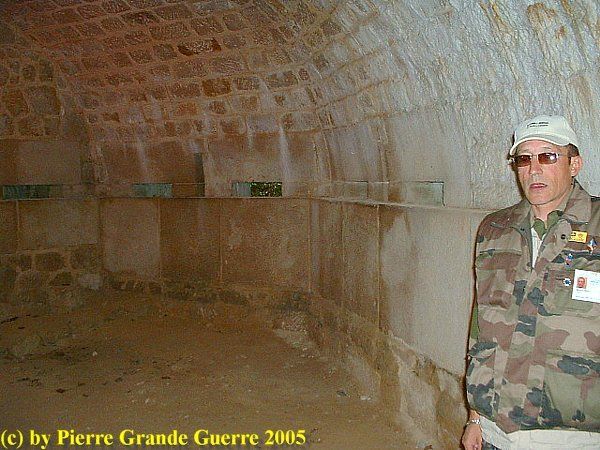
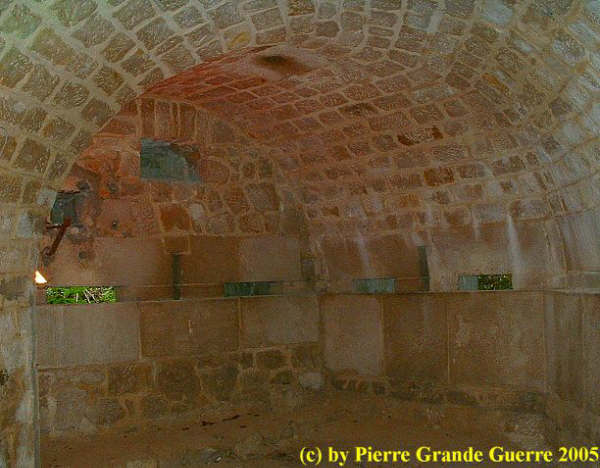
First he showed us the "caponnière", a grenade room. Outside and about 7 meters below is a dry moat from where the Germans tried to attack. Through the holes in the walls the French soldiers would succesfully throw down hand grenades.
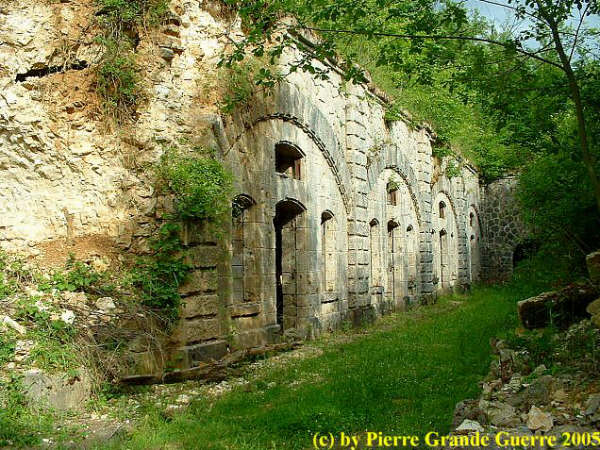
Inner courtyard view of the Fort de Troyon.
These rooms were meant for the Fort Commander, and the 2 rooms on the right were stables for the horses pulling the artillery guns.
One of the 3 kitchens. Every army unit in the fort, be it infantry, artillery, or engineers, had its own kitchen in the fort.
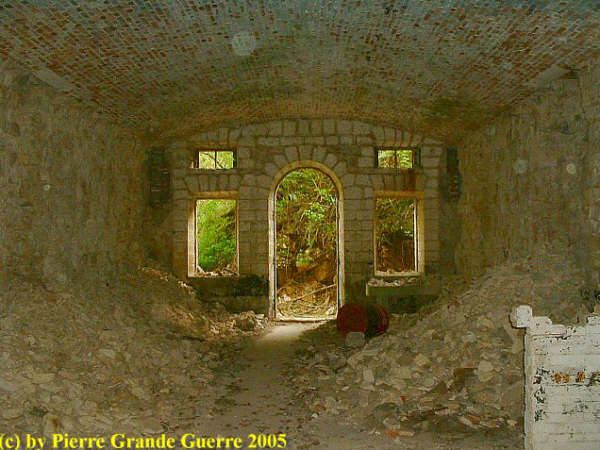
Some relics of the time in the kitchen.
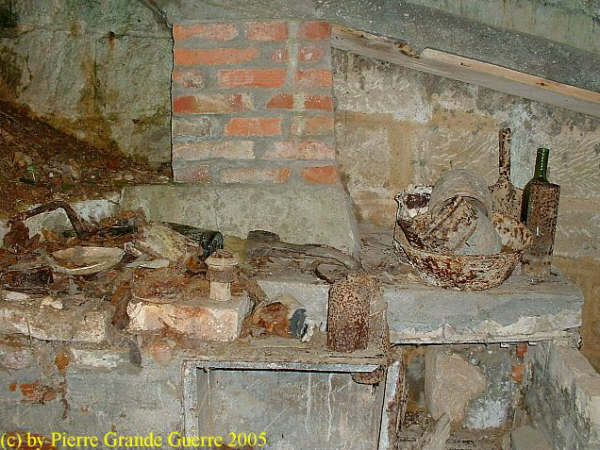
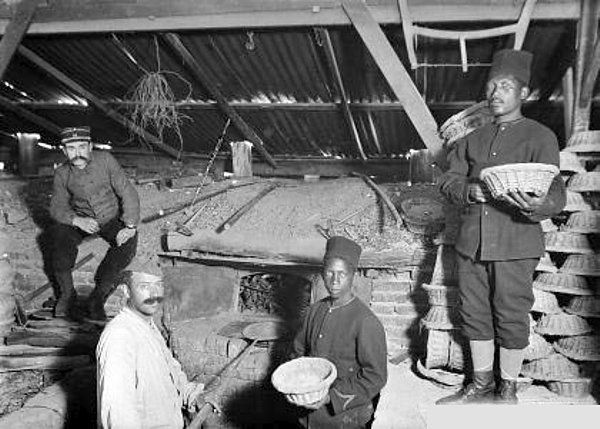
And of course each unit had it's own bakery.
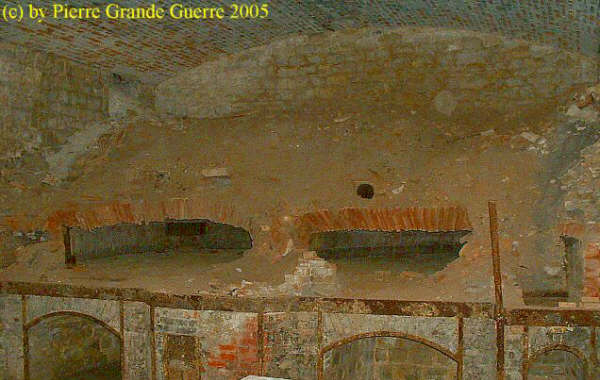
Some other offices, on the left the hospital.
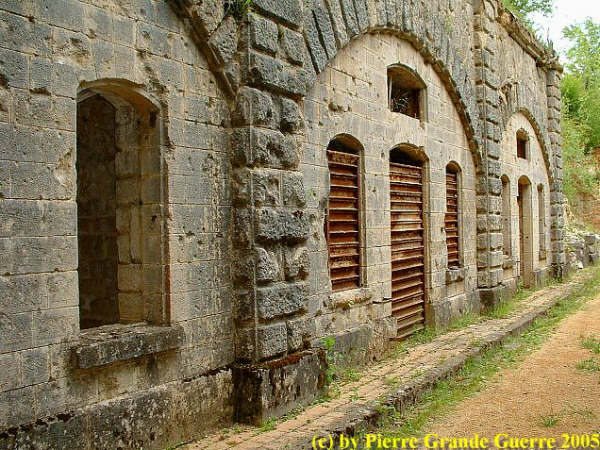
Three soldiers are still buried in in the hospital under the debris caused by shells.
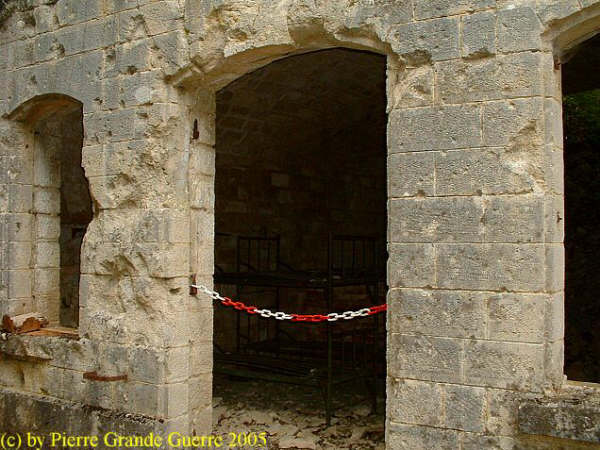
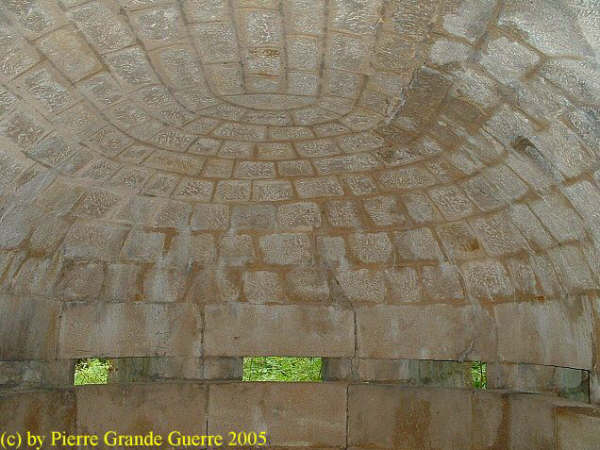
Mr. Stalens guided us in the labyrinth of corridors and tunnels to another "caponnière".
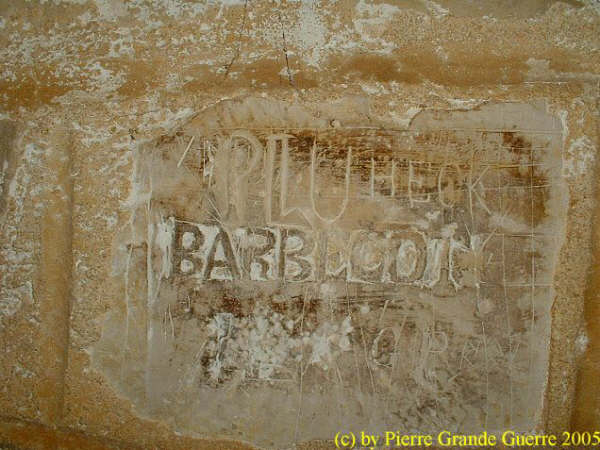
Soldiers grafitti still on the wall of the caponnière.
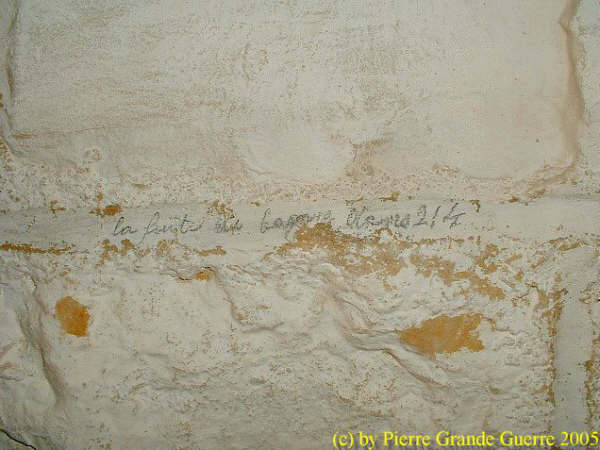
This grafitti is written with a pencil, and conserved by the constant temperature of 12 degrees C.
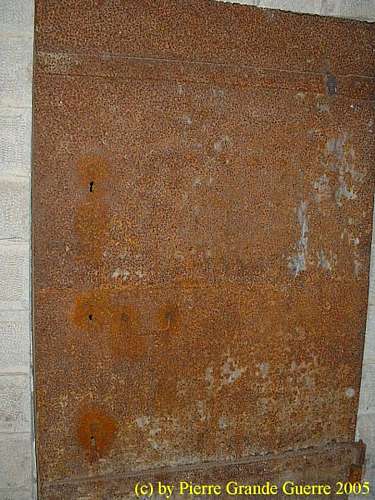
The door with 3 locks to one of the 2 powder stockrooms. The keys were separately saved by the respective commanders of the army units, infantry, artillery, and génie ( engineers ).
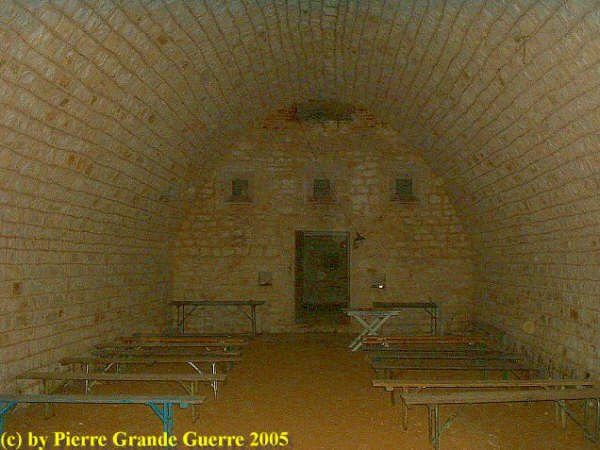
The interior of the powder stockroom. The other room collapsed after an explosion of a 320 mm obus. 12 Soldiers are still buried there under the debris.
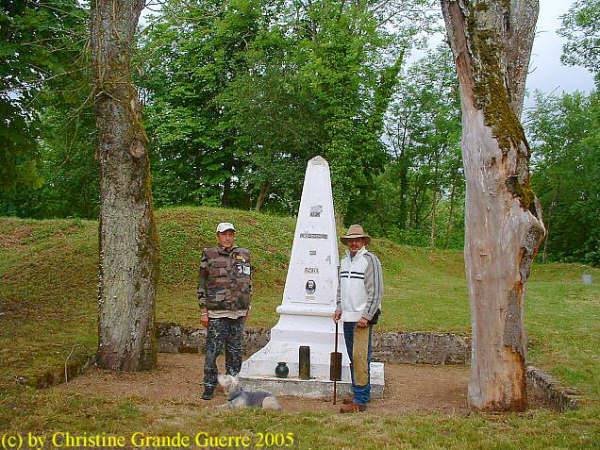
We end our expedition near the monument in the fort to commemorate Cpt. Heym.
Mr. Stalens offers me a present: a "gargousse", a 90 years old cotton bag for a French 120 mm shell.
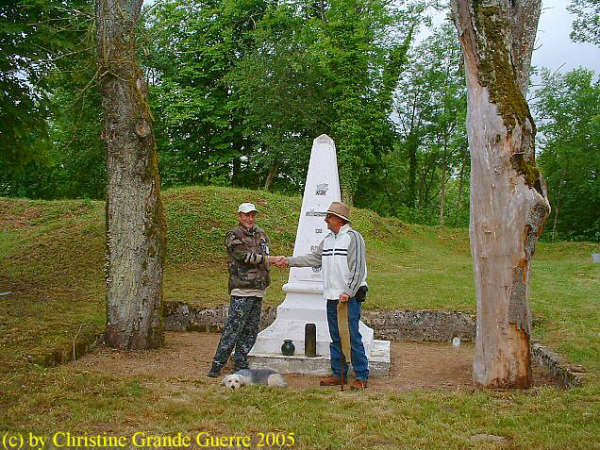
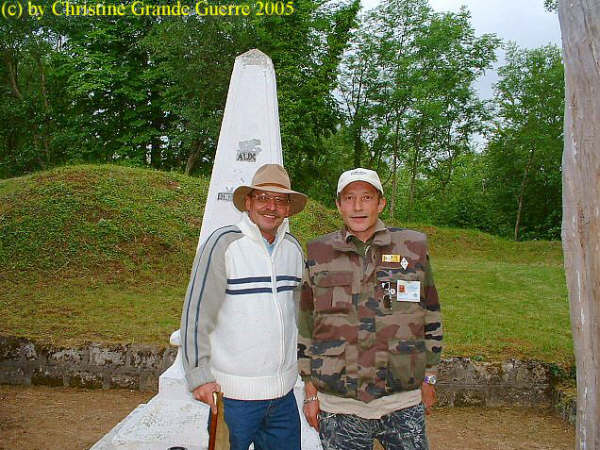
We parted as friends forever, sharing the same "Passion de Coeur pour la Grande Guerre".
Continue to the next photo Impression: " Calonne Trenches - Tranchée de Calonne "