ARTOIS - Arras - Wellington Quarry
Year of visit: 2008
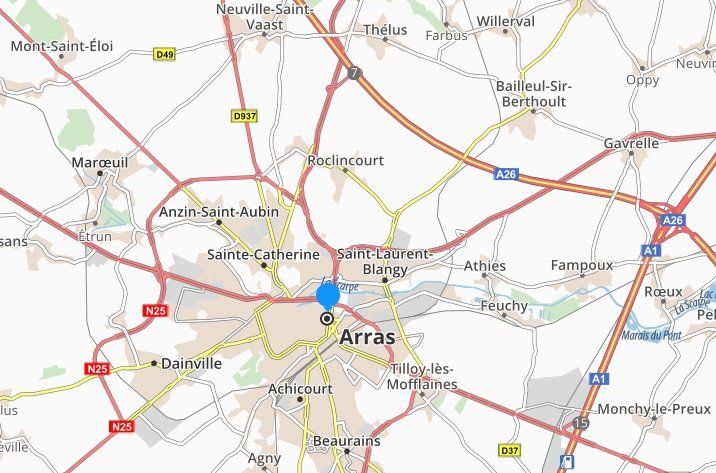
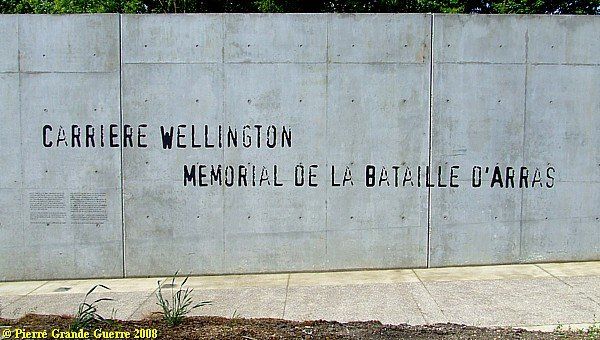
A visit to Arras , to the Wellington Quarry or the "Carrière Wellington", part of an underground quarries system to create an underground network, where 24.000 soldiers could be quartered. Above ground we visit first the Battle of Arras Memorial and next we go down to enter the tunnel system beneath the memorial.
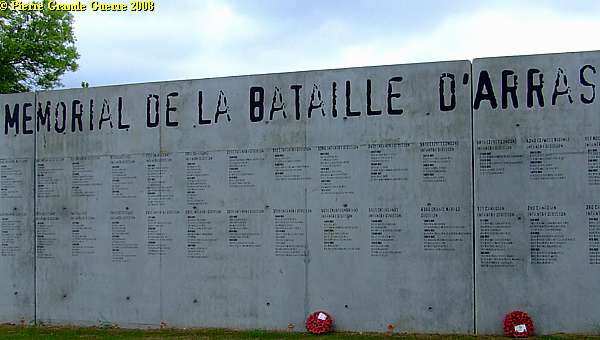
Outside the entrance of the quarry is a wall, commemorating the Battle of Arras with the names of all units involved.
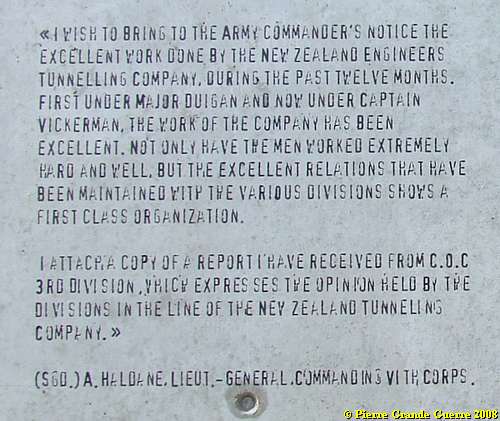
Lt. General Haldane's citation of the New Zealand Tunnellers is also on this Memorial wall:
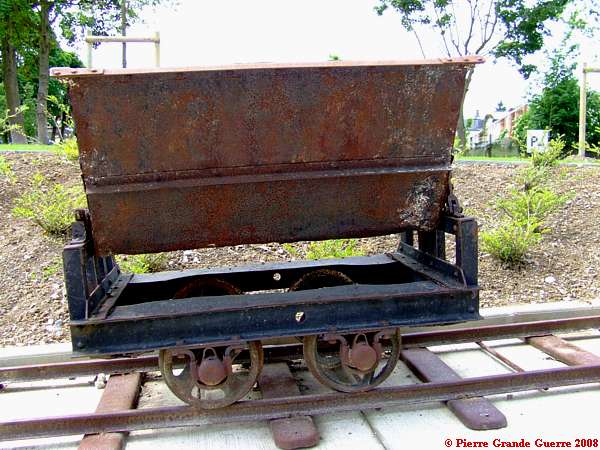
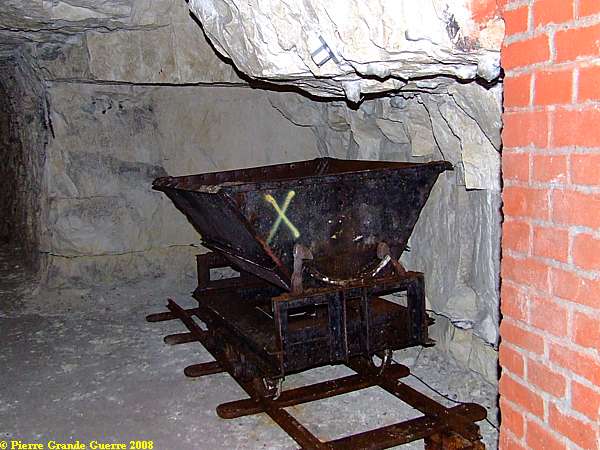
At the entrance of the quarry: these light railway wagons were of great importance for removing the rocks from the quarry.
Before we go down and enter the quarry, some concise background information.
The New-Zealand
Engineers Tunnelling Company
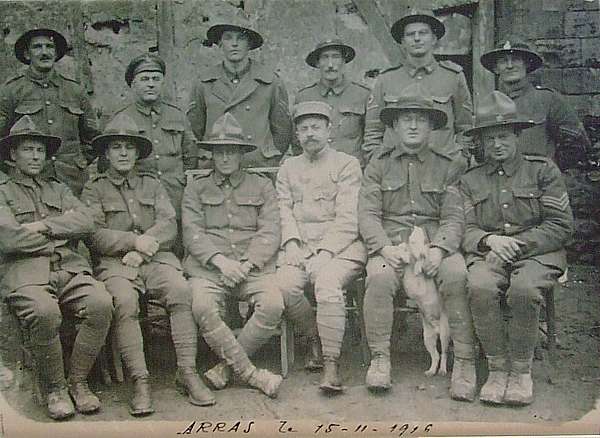
From the beginning of 1916, the Allies began preparing an attack at Vimy Ridge over a front of 22,5 km before the city of Arras: The Battle of Arras. Arras itself was already completely destroyed in 1914. The offensive was meant as a diversion attack for the Nivelles offensive at the Chemin des Dames, north of the Aisne river.
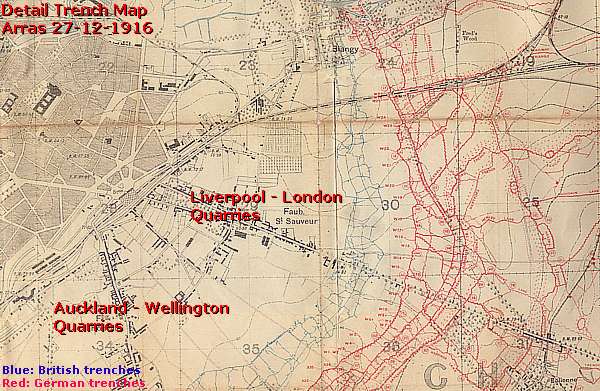
Under de paving of Arras, lie impressive chalk quarries, which were dug since the Middle Ages.
446 Members of the
New-Zealand
Engineers Tunnelling Company
, a unit of General Allenby’s 3rd Army,
were in charge of linking up the quarries to create an underground
network, where 24.000 soldiers could be quartered, waiting for the
offensive to start at 9 April 1917.
After going down 20 metres deep in a glass elevator, an audioguided tour, accompanied by a friendly human guide, takes the visitors into the Wellington tunnel system.
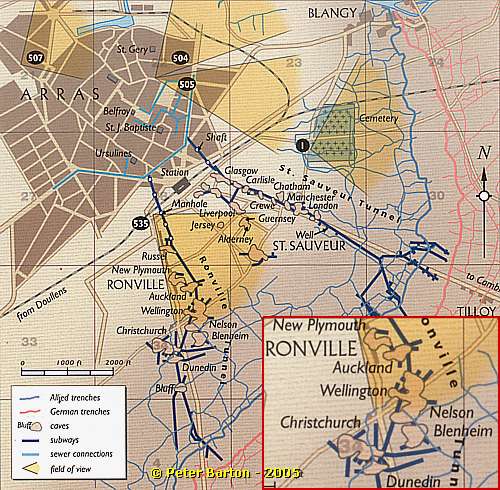
The New Zealand Tunnellers named this dark kingdom after their home towns.
The southern part of the network became a mini New Zealand.
From one huge quarry called Auckland, soldiers could march through to Wellington, Nelson, Blenheim, Christchurch, Dunedin, and so on.
446 New Zealand Tunnelling Engineers, all professional miners, worked together with a battalion of "Bantams", Yorkshire miners below the Army's minimum length of 5 ft. 3 inch.
In about 6 months, the Tunnelers created two interconnected labyrinths, in total 12 miles long, and capable of hiding 24.000 soldiers and officers.
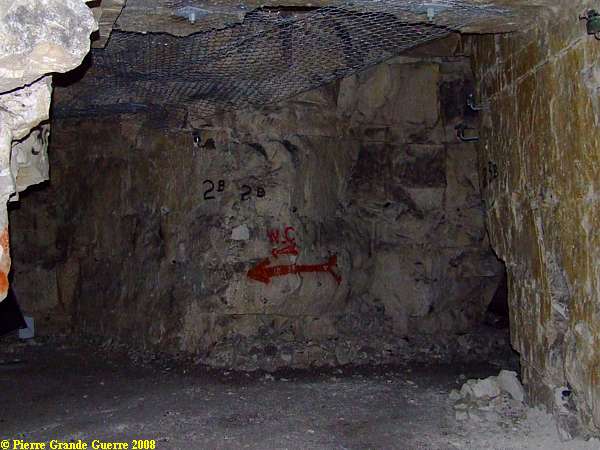
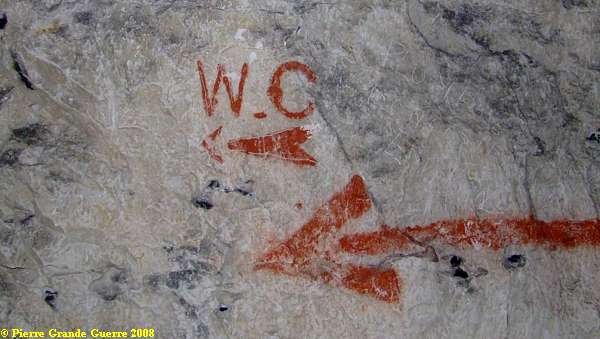
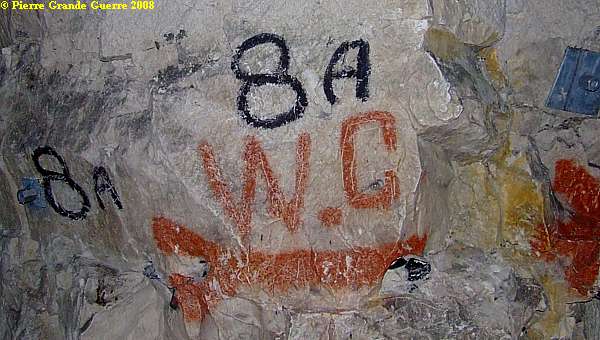
Of course with such a mass of men, latrines were indispensable.
Canteens, chapels, power stations, a light railway,and even a fully equiped hospital with 700 beds were all established in this labyrinth.
Before we continue our guided tour, I would like to show you a 1minute video of the first 3D scans of the Wellington Quarry made by scientists of the University of Otago, long before the quarry opened to the public.
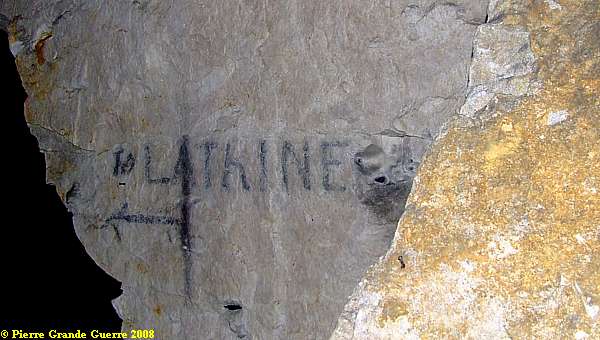
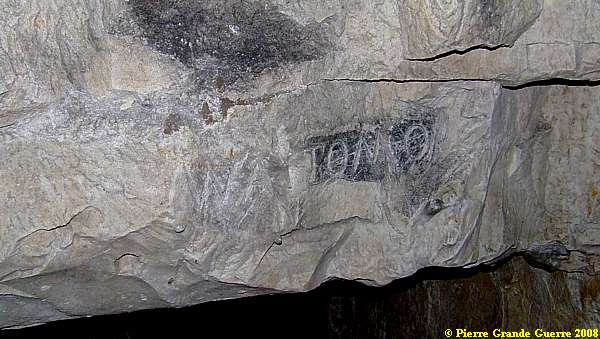
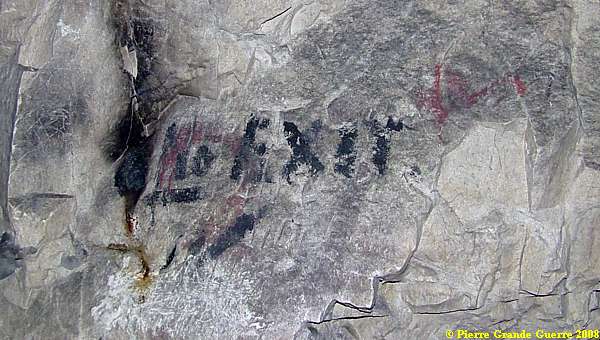
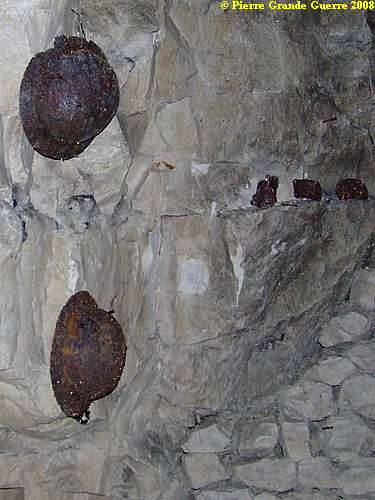
We continue our exploration. Sometimes we detect soldiers grafitti of 1917.
These corridors were not the narrow and low shafts, earlier used elsewhere on the front for underground mining activity.
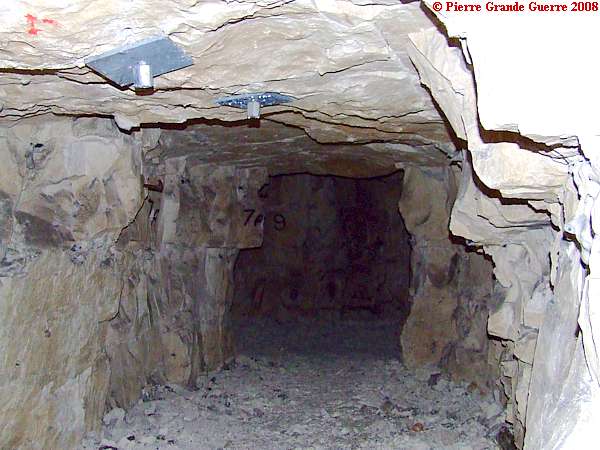
These tunnels had to be wide enough for soldiers to march in one direction, and wide enough to let stretcher parties pass, coming from the other way.
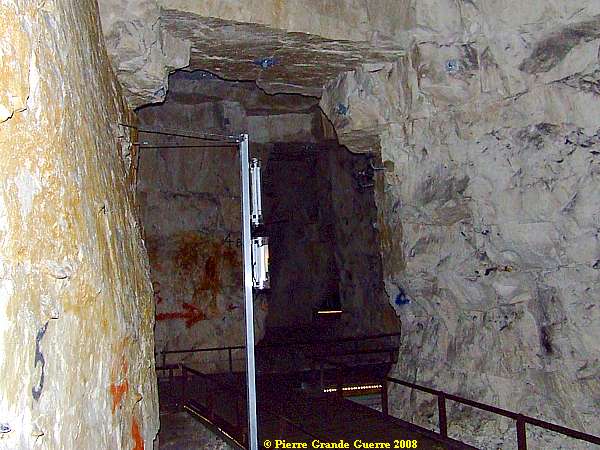
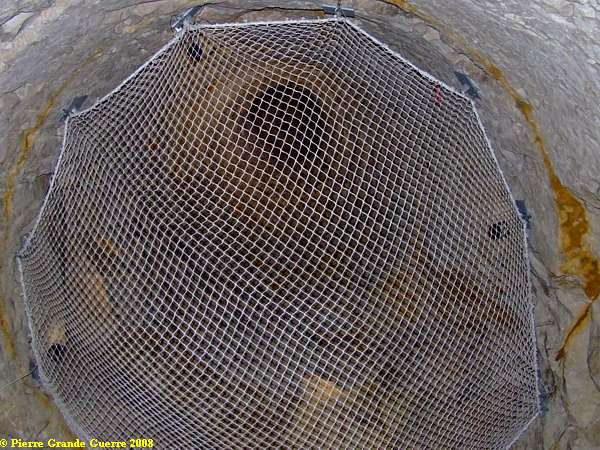
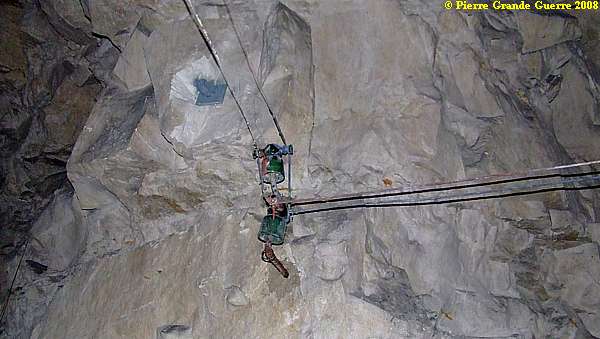
This modern net hangs before this meters high hole in the ceiling. It protects visitors for still falling lose rocks.
The New Zealand quarries, like the Auckland and Wellington, were linked to the northern section of quarries of Glasgow, Edinburgh, Liverpool, Crewe, and London and others, like a side-tunnel, which led to a trio of quarries called Jersey, Guernsey and Alderney.
The New Zealand Tunnelers created the most extensive underground network ever in British military history!
This 1917 construction was made to protect the soldiers against falling rocks.
The Arras attack was set for Eastern Monday 1917. A week before Eastern the Generals started filling up their underground city with soldiers. This large operation had to be done in total secrecy.
The soldiers entered the network through a few cellars, "boves", in the destroyed city. Then they walked to their underground positions, and waited there for several days.
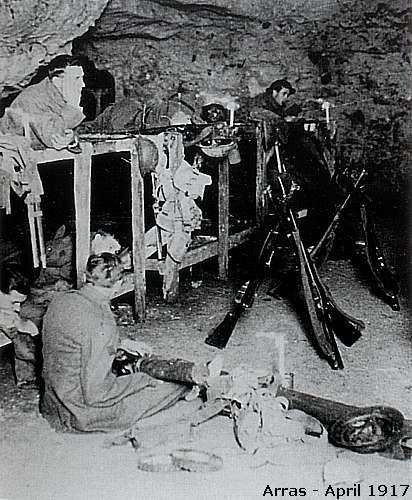
Each quarry, a maze of caves, housed a whole regiment, each of which had it's own number.
In this rather disorientating, dark underworld, 24.000 soldiers waited for more than a week, playing cards, singing, and writing letters.
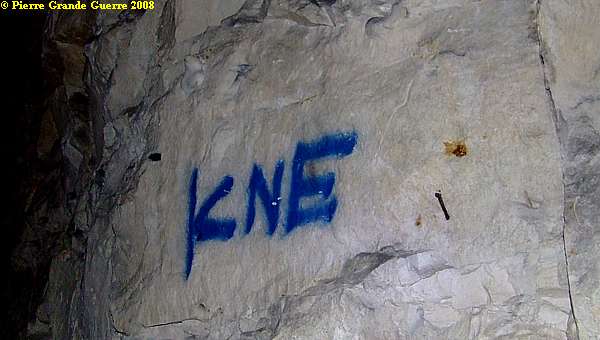
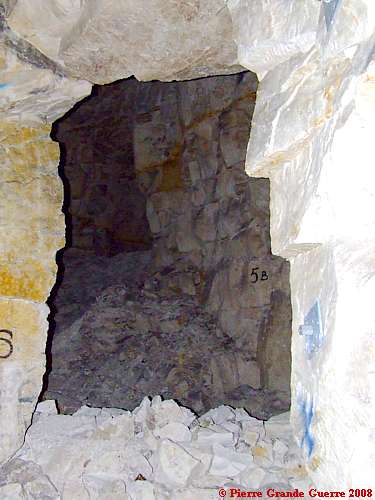
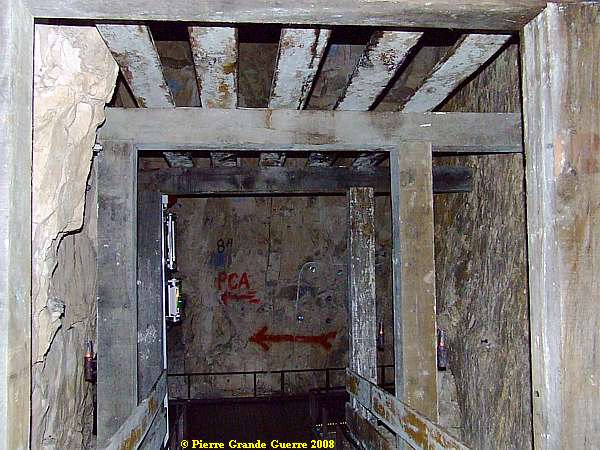
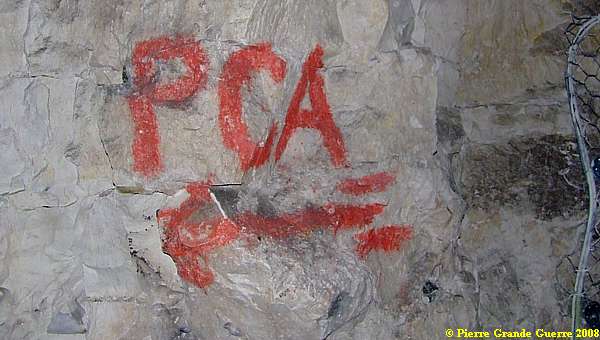
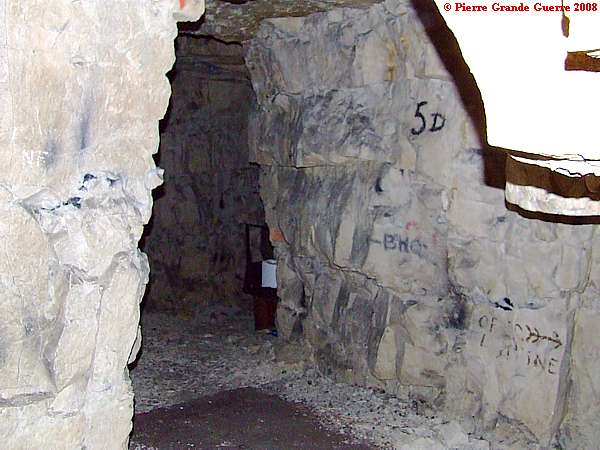
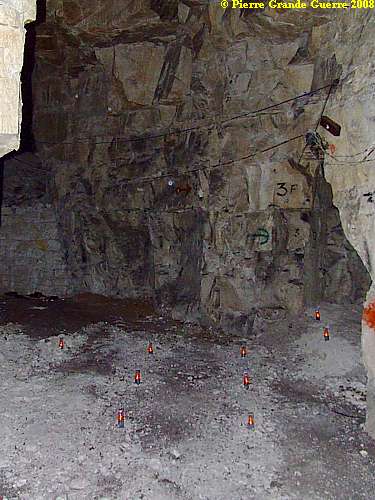
The troops found their designated quarters by following the painted numbers.
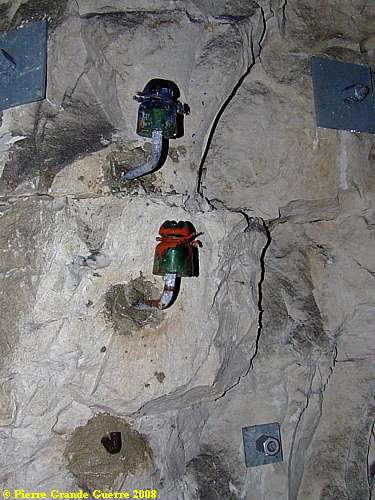
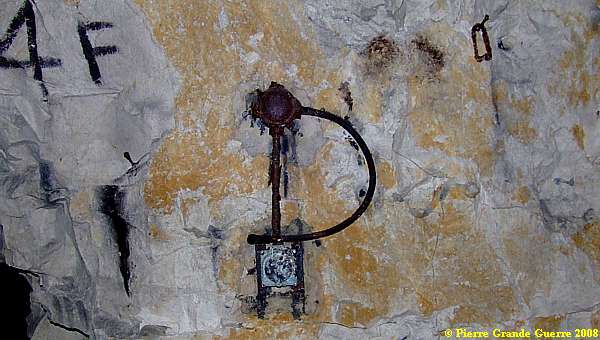
On several locations one can still detect wires of the electricity system.
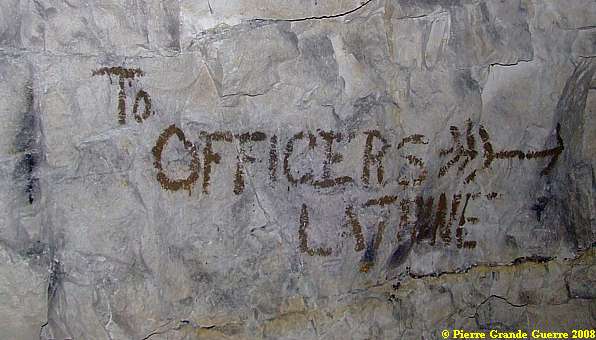
Officers had their own latrines.
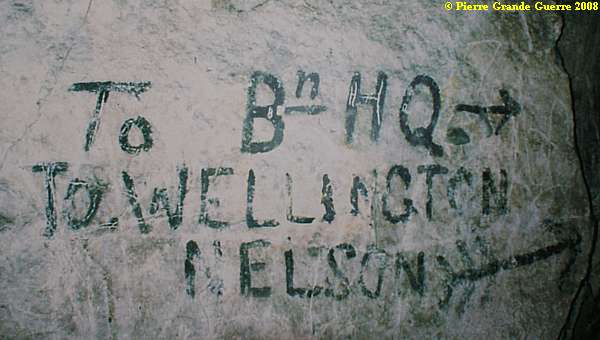
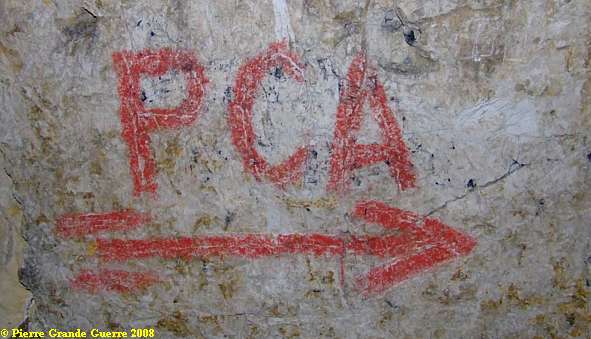
"To Battalion Headquarters".
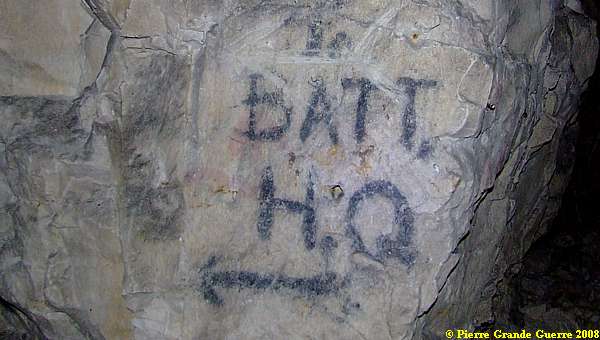
This corridor leads of course to ...
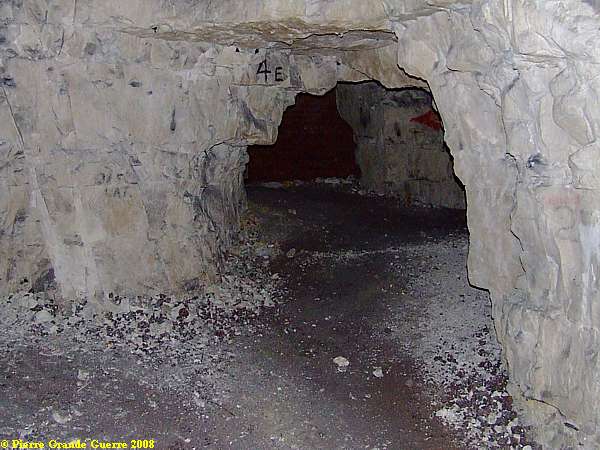
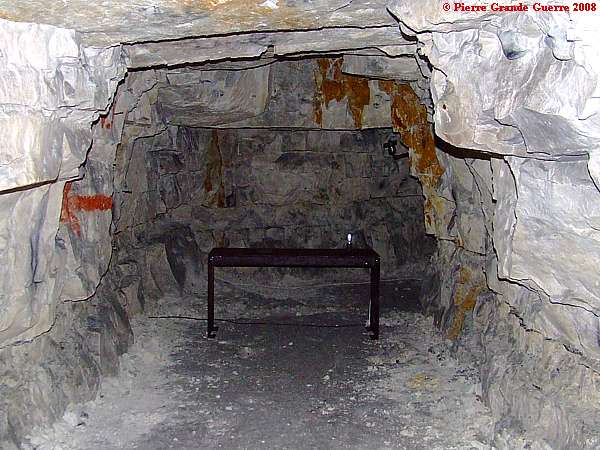
... the room of the Battalion's Commander. His table is still there.
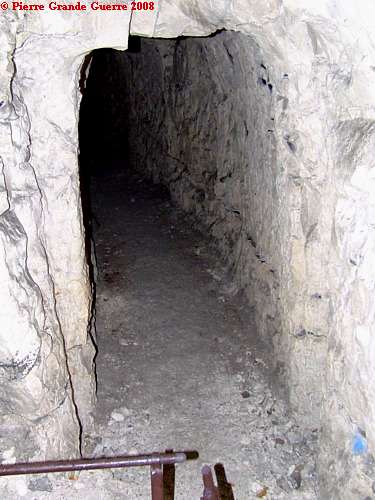
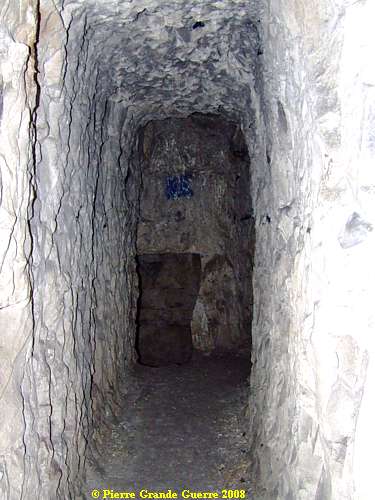
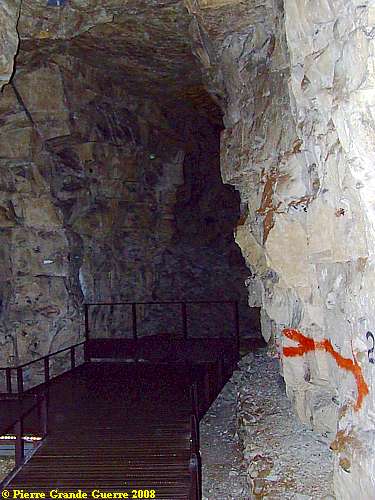
We move on passing this narrow gallery.
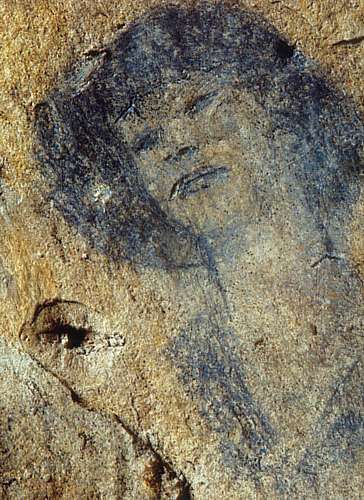
Furtheron in the maze: tiny drawings of soldiers on the walls. For very understandable reasons, these are protected with a screen against tourist fingers.
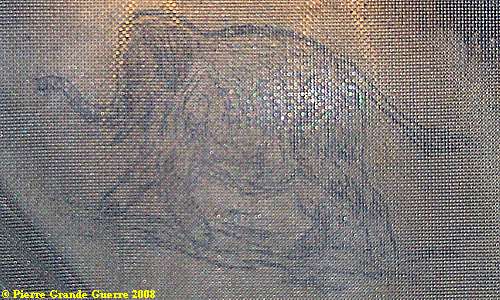
Nearby this elephant on this wall, another soldier's drawing.
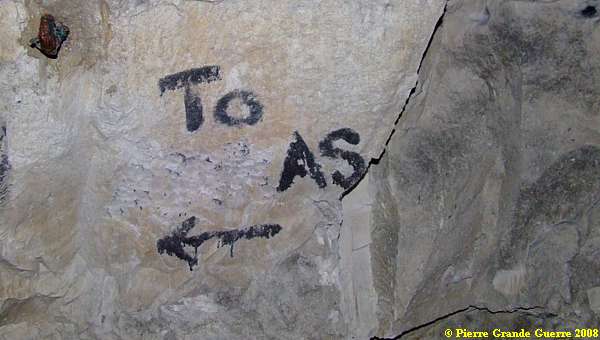
"To A Section".
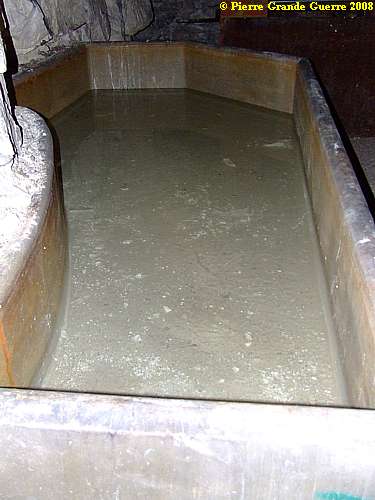
Always important in these circumstances: a large water bassin.
The larger routes had to accommodate a supply railway as well.
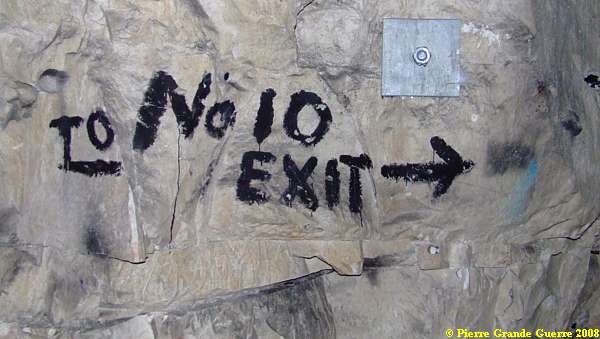
We have trouble to keep pace with our hasty guide, who already has been going on, on his way to Exit No. 10.
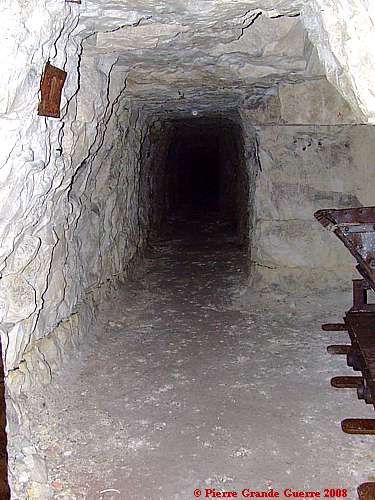
When the time came, at 5.30 AM on 9 April 1917, Eastern Monday, ...
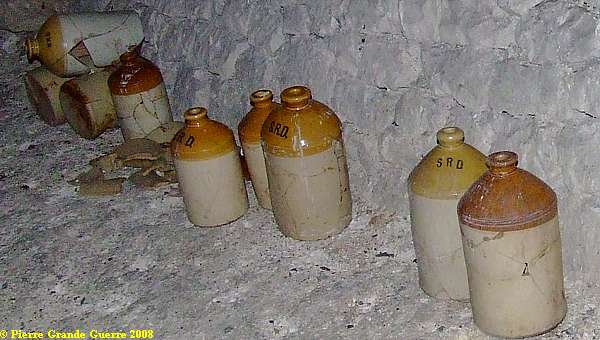
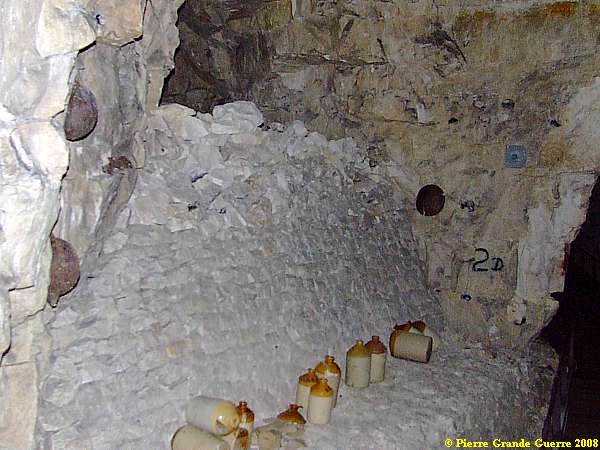
... the soldier received a cup of rhum from these Special Reserve Depot jugs to numb the fear, ...
..., and next the troops marched to their exit tunnels, up their designated staircases, out in to the open.
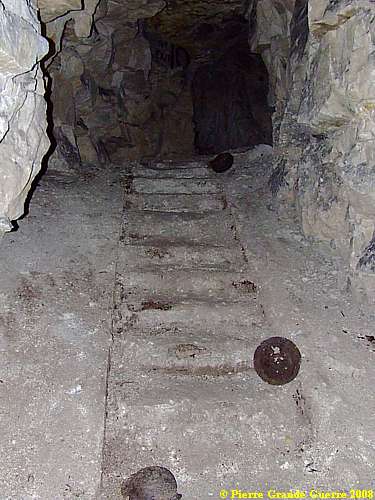
The infantry soldiers of the British Third Army found upstairs a carefully timed artillery barrage, blasting the German positions ahead of them.
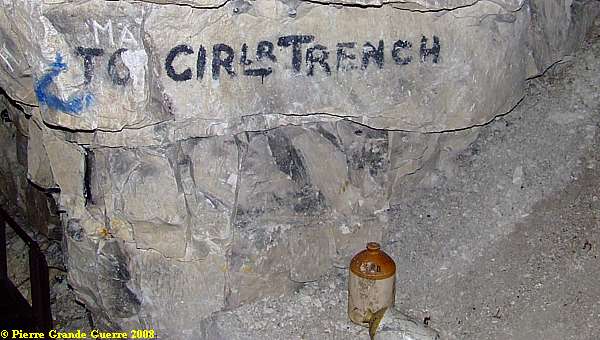
The Germans were surprised to see their enemy so suddenly a mile closer, than anyone of them had ever expected. The Germans surrendered, often bootless, and still in night clothes.
North of Arras, around Vimy Ridge, the Canadian Divisions of the 1st. Army faced a much stiffer opposition of the Germans for the next three days.
But the Canadians, too, had been helped by their own extensive tunnel systems, leading up to the German lines.
The Wellington Quarry itself is now a Memorial. It preserves the memory of these thousands of soldiers, billeted here underground, a few metres from the front line, before their surprise attack on the German positions.
On the next page about Vimy Ridge, you will find more details about the Battle for Arras and the Canadian Divisions.
Continue to: " Vimy Ridge "