VERDUN - Etang de Vaux - Vaux Destroyed Village - Fort de Vaux - Ouvrage de la Laufée
Years of visit: 1994, 2005, 2009
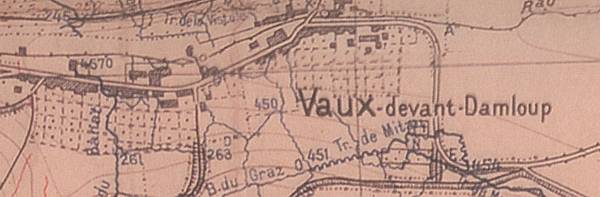
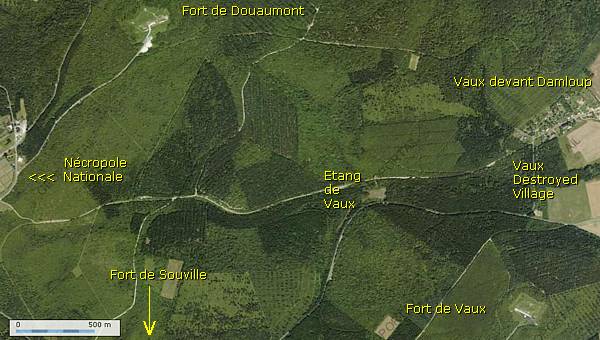
From Batterie de l'Hôpital we continue with a visit in 4 stops: Etang de Vaux, the Destroyed Village of Vaux devant Damloup, and the Fort de Vaux, to follow there some traces of the Siege of Major Raynal's fortress during the first week of June 1916. To end this impression, a visit to the nearby ruins of the Ouvrage de la Laufée. As always we start off with some situation maps.
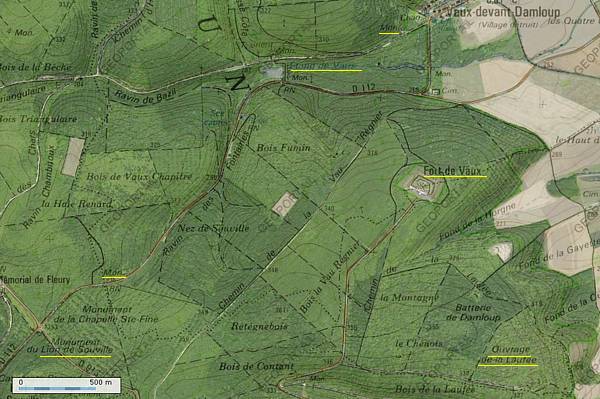
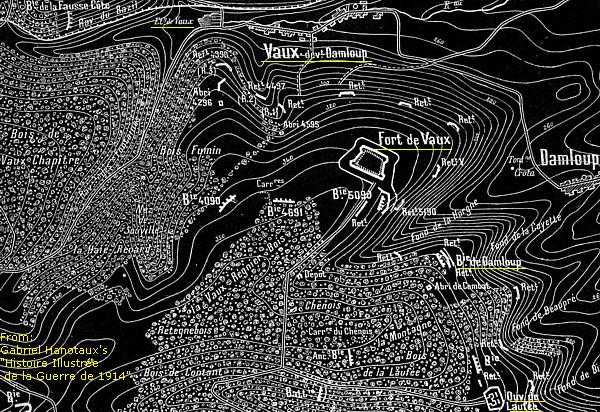
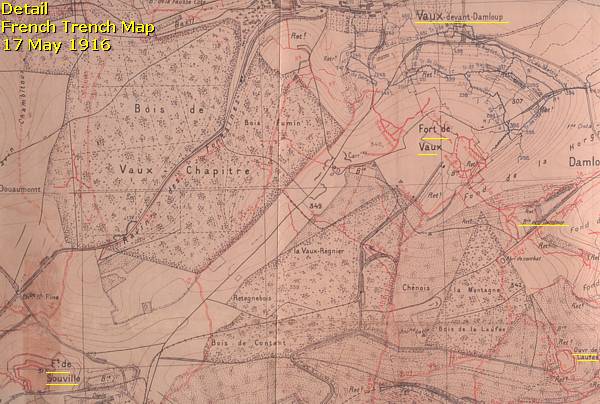
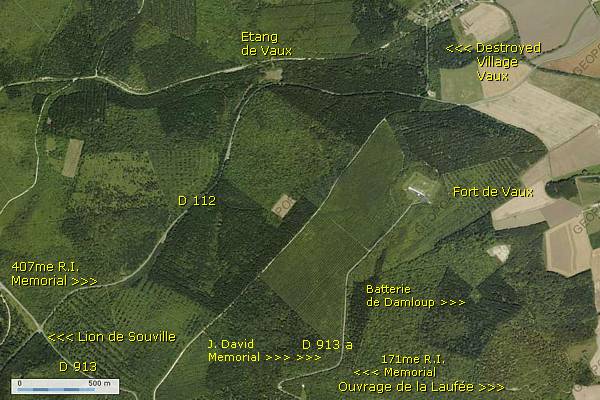
We depart at the Lion de Souville to follow the D 112 northward.
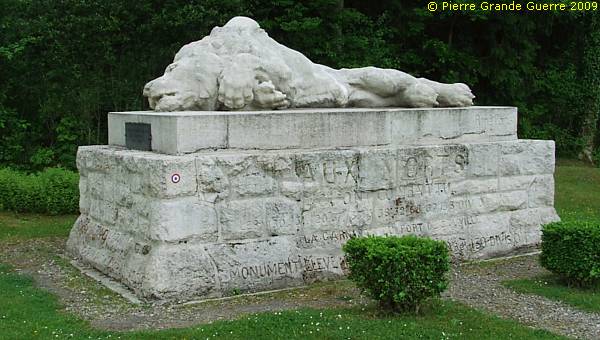
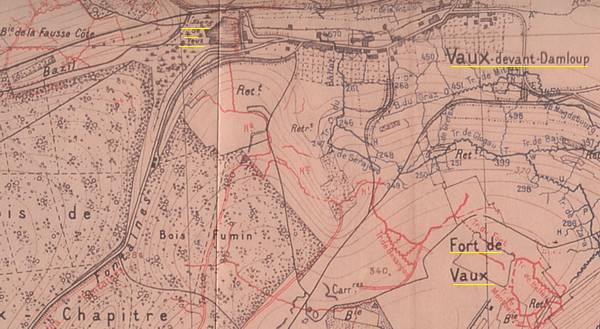
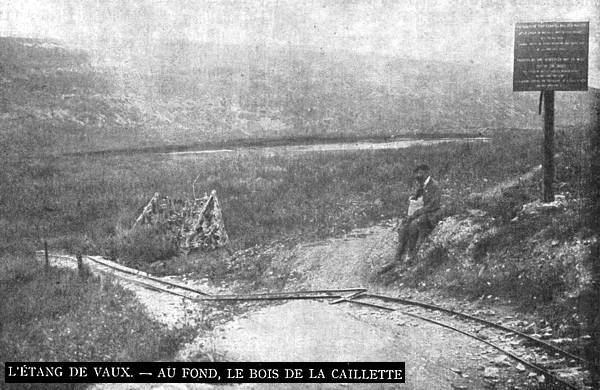
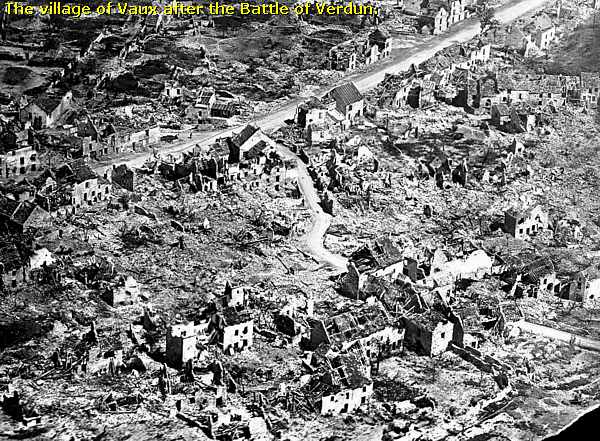
We continue northward with some period pictures of the area.
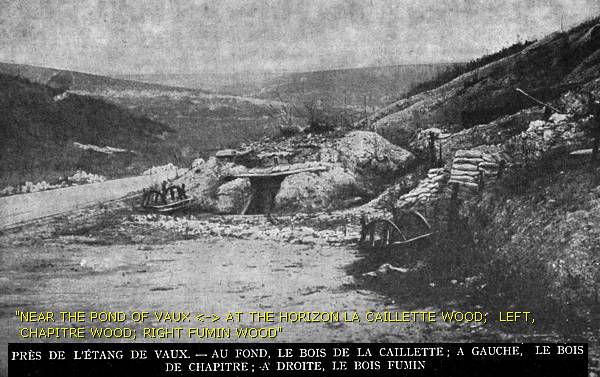
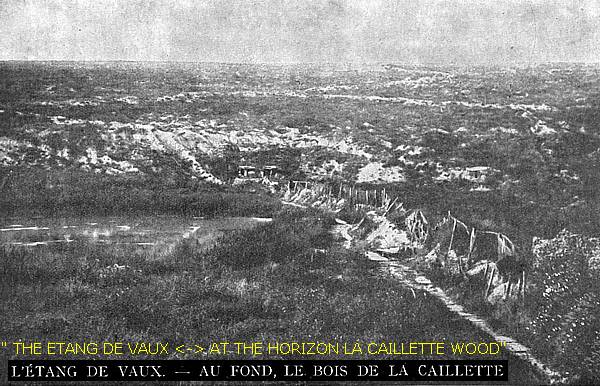
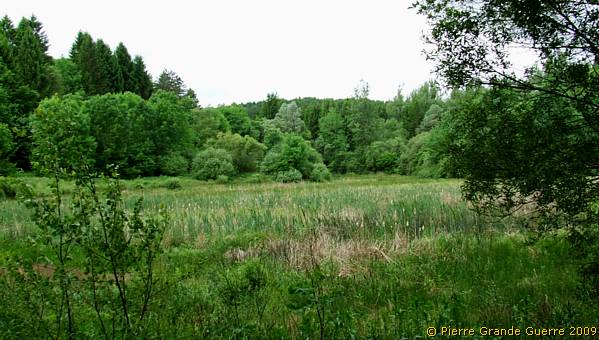
We arrive at the Etang de Vaux (The Pond of Vaux).
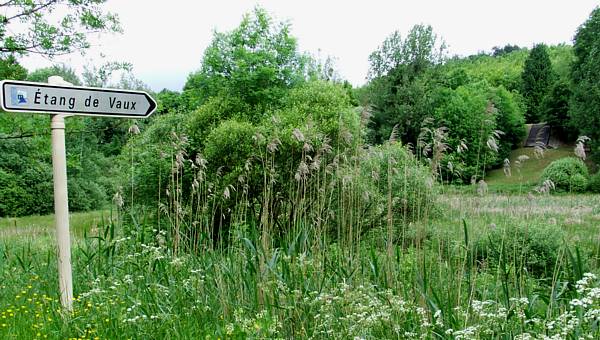
Nowadays the natural landscape of the Pond of Vaux is beautiful.
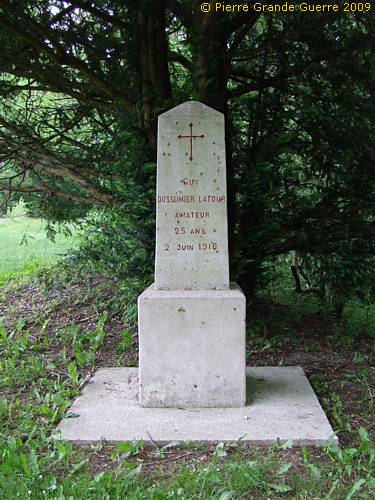
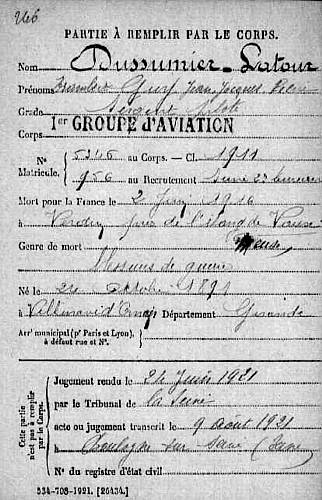
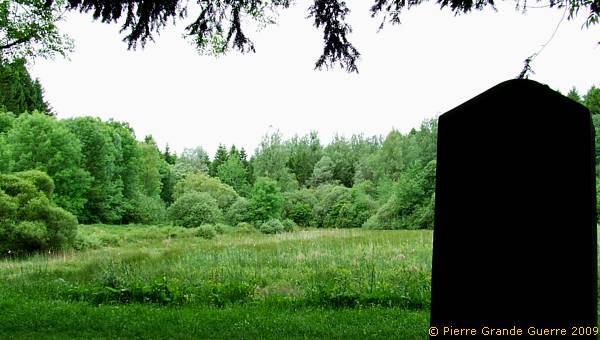
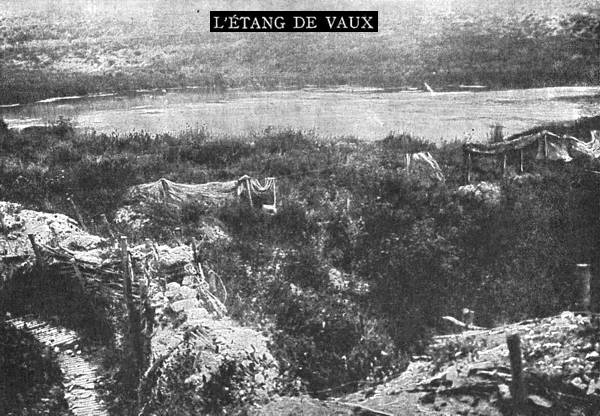
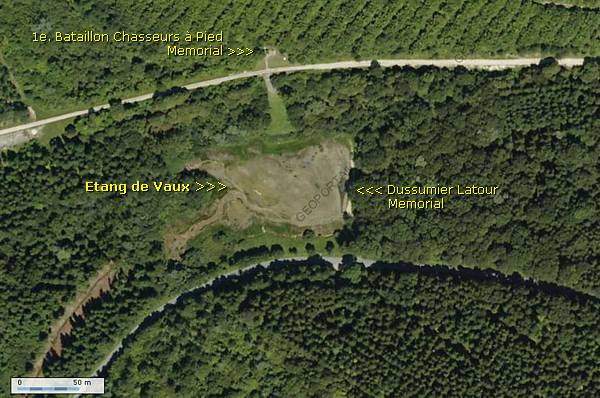
On the northern edge of the pond ...
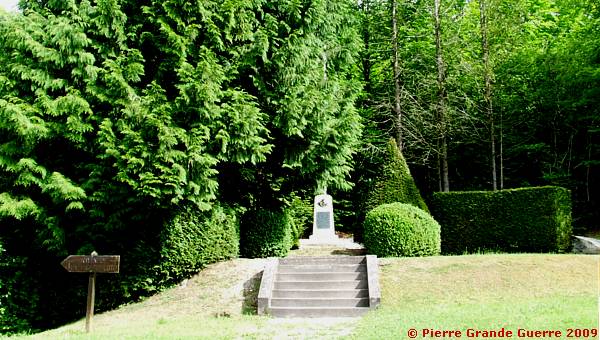
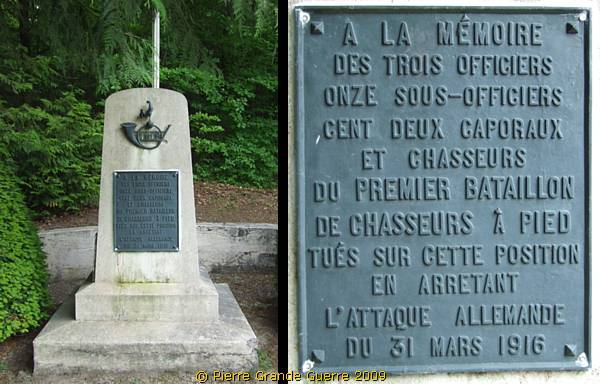
... stands the Memorial for the 1e Bataillon de Chasseurs à Pied.
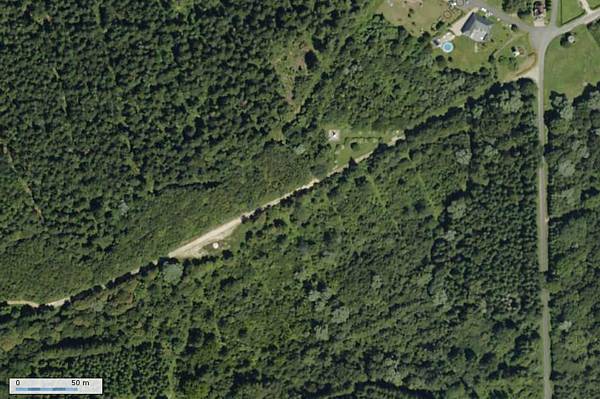
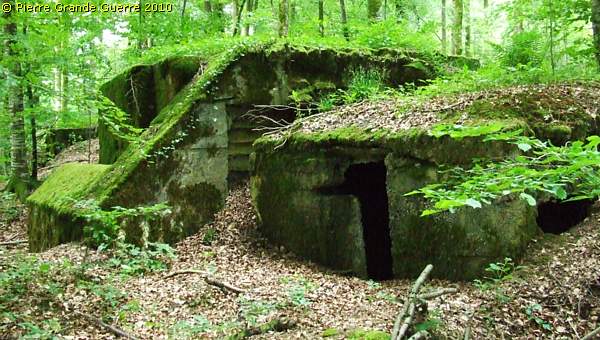
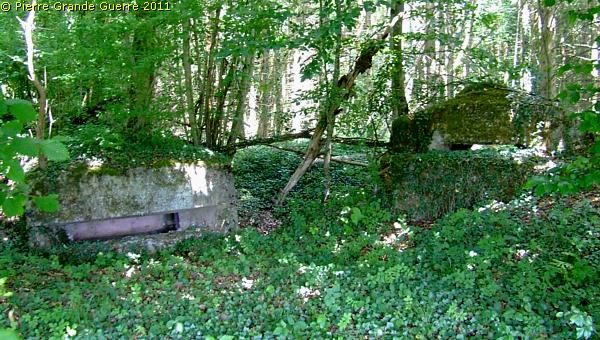
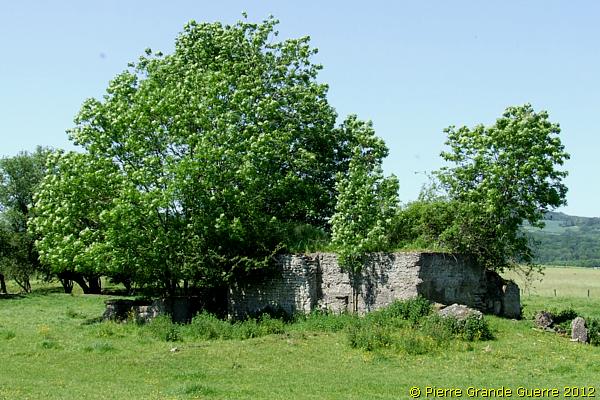
Now the former village is overgrown with dense vegetation.
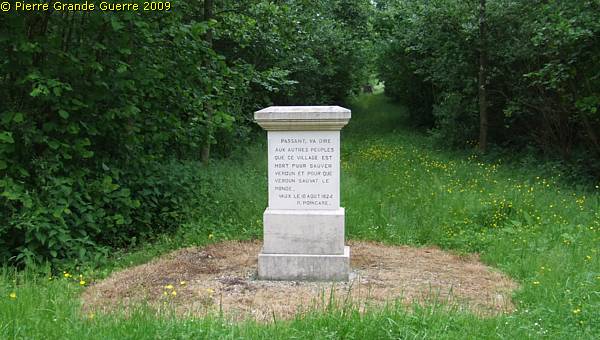
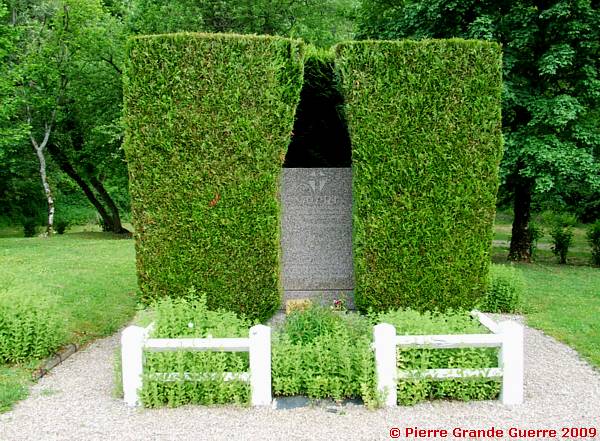
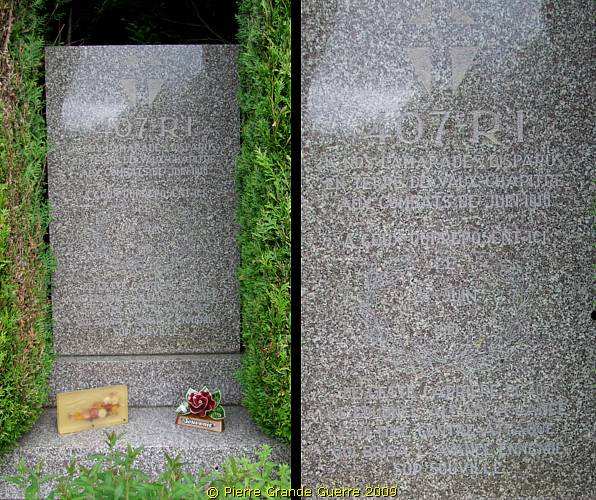
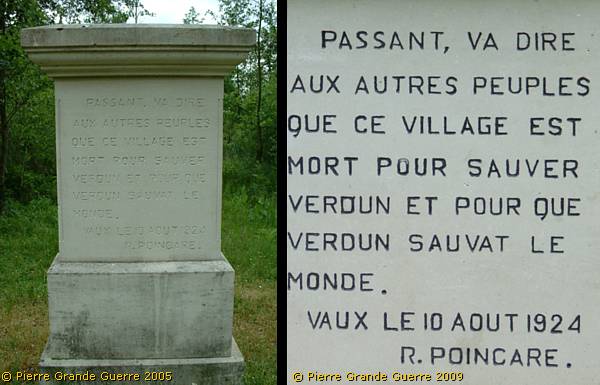
A modest memorial reminds us of the location of the destroyed village.
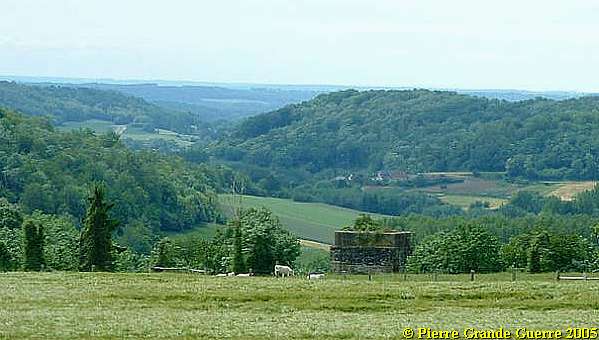
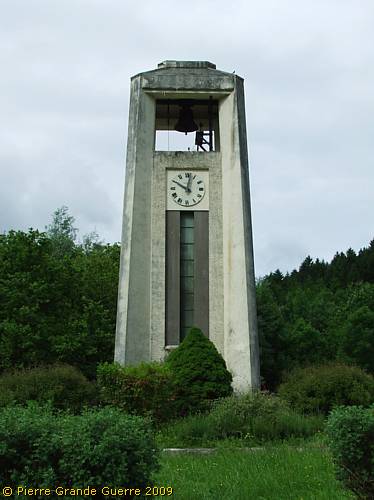
At the edge of the modern village stands this memorial tower.
We return back to the junction of the Lion de Souville, ...
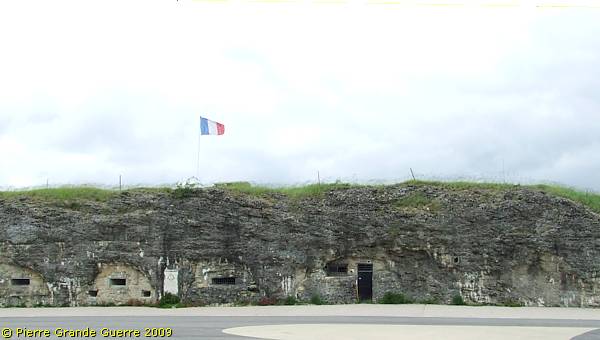
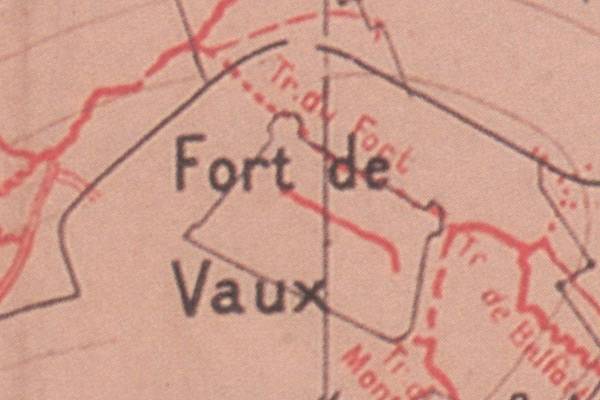
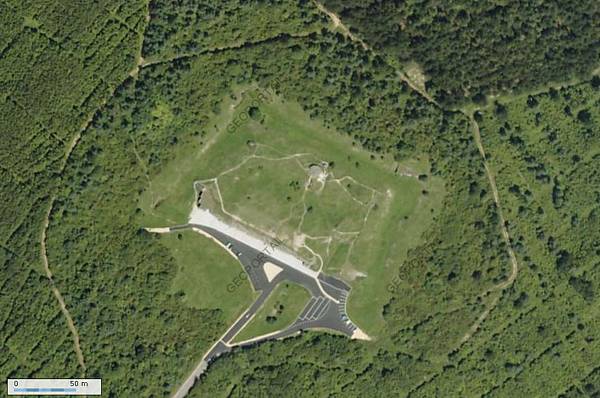
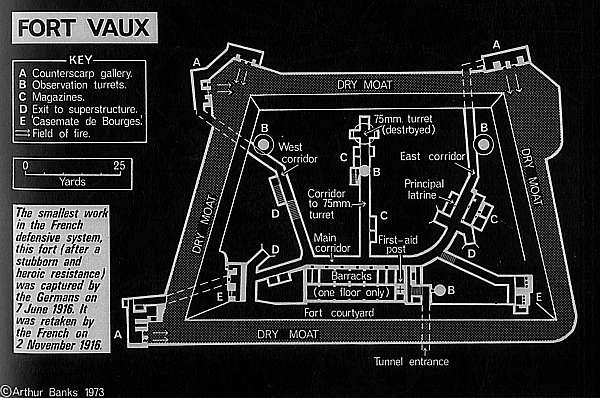
We start our visit at the south-east corner of the Fort.
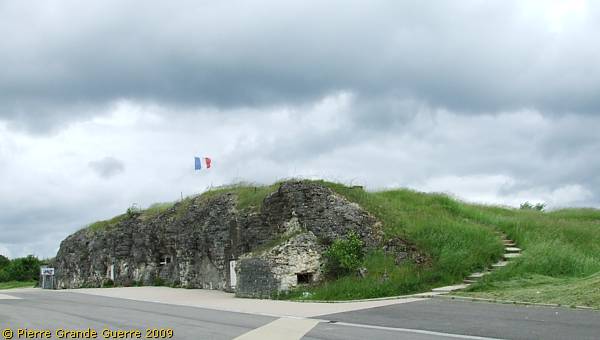
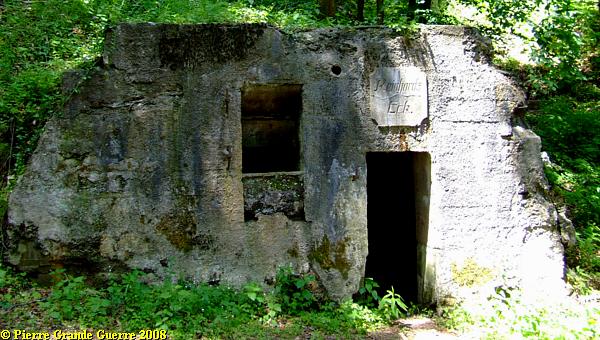
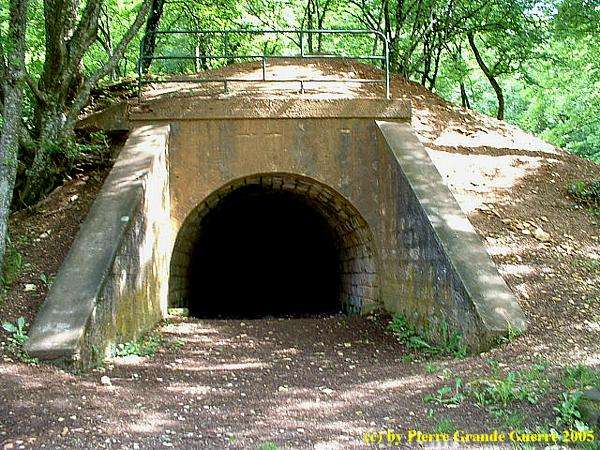
One of the entrances to the fort.
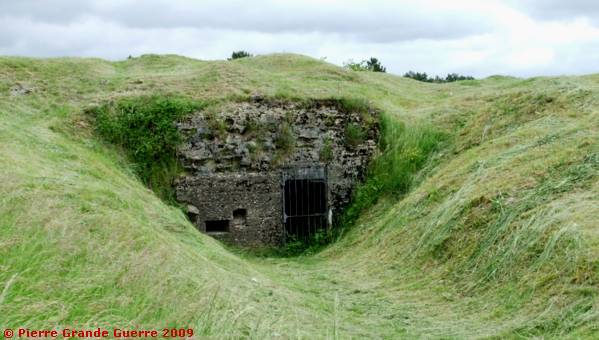
The south-eastern "Casemate de Bourges".
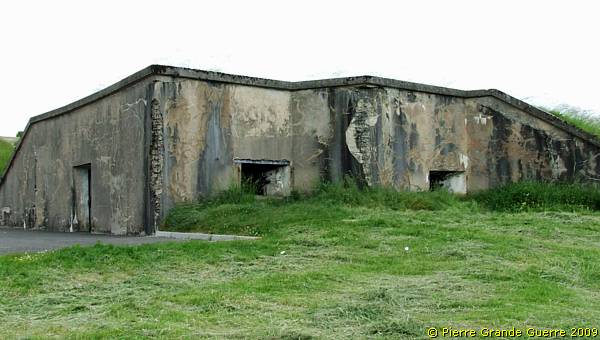
View through the gate of the exit on the left:
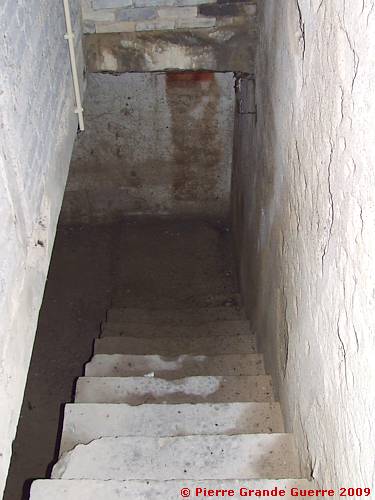
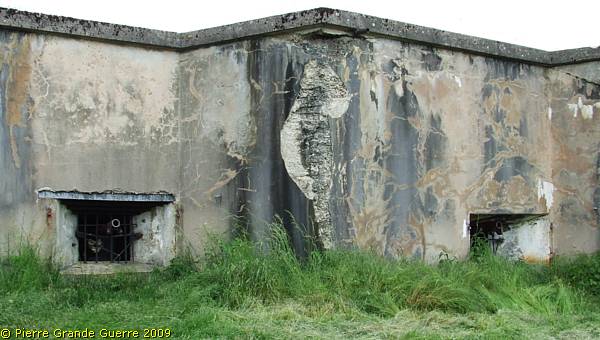
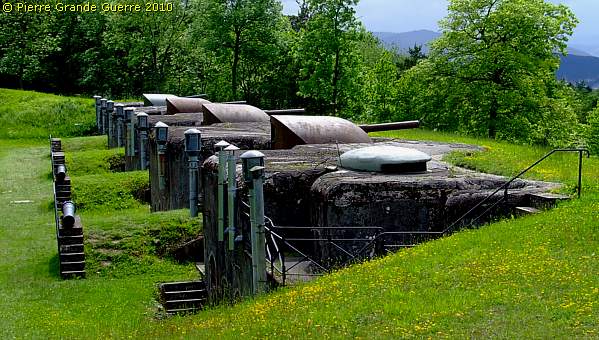
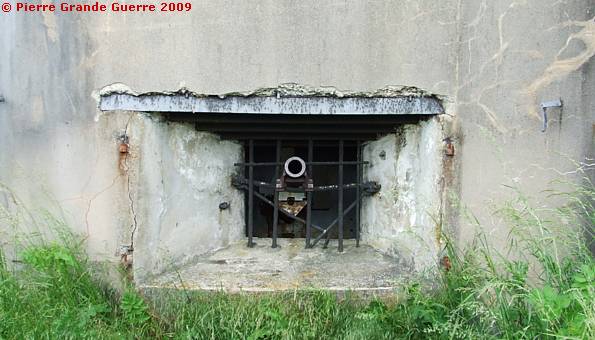
Two 75 mm artillery guns are directed eastward.
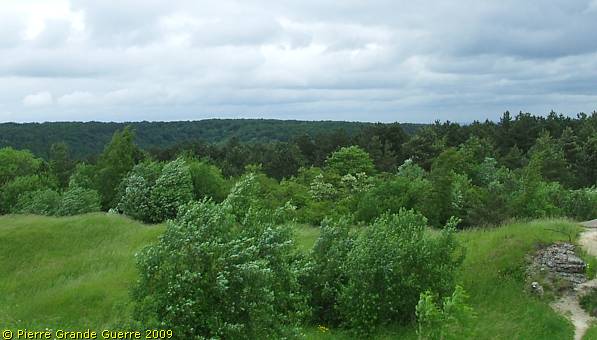
The German "Operation Maiköpfchen”
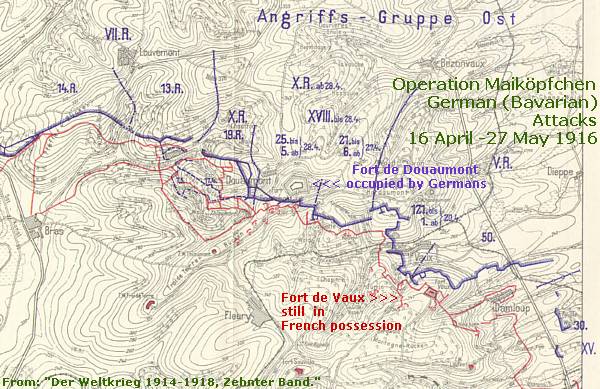
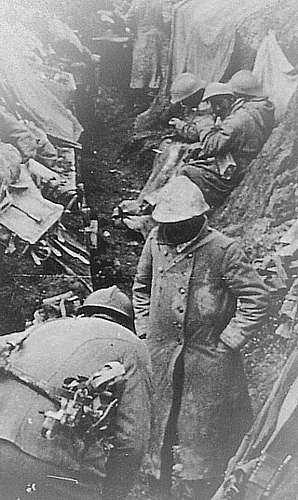
From 6 March 1916 General von Falkenhayn released "Operation Maiköpfchen” (Maycup). In the sector of Douaumont and Vaux the General deployed 5 divisions of the 10th and the 5th Reserve Corps, and in the east the 15th Corps. Main targets were Thiaumont, Côte de Fleury, Fort de Souville, and Fort de Vaux. After 27 May the German Artillery intensified their bombardments on the area around and on Fort de Vaux itself from the aera around Spincourt, Billy, and Spincourt in the nort-east.
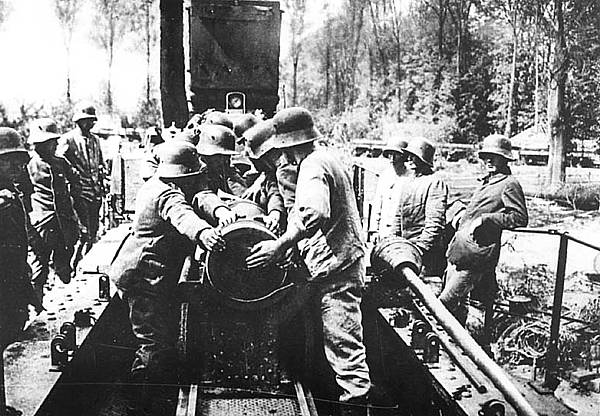
On 1 June 1916 General von Falkenhayn choose the sector of Damloup, the trenches around the fortress, and the fortress itself, as his second main target.
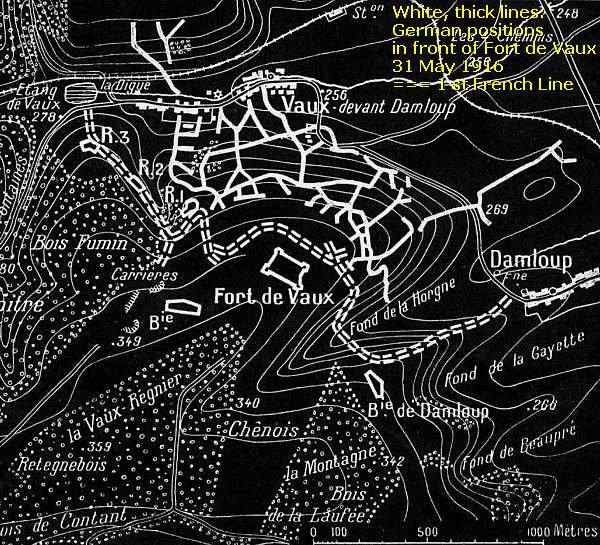
After a huge bombardment the General deployed 7 divisions to attack Thiaumont, Fort de Souville, and Fort de Vaux.
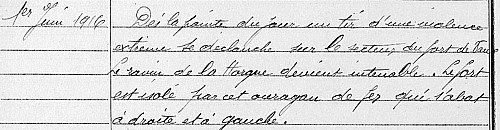
Before I tell you later on this page more about the 7 days Siege of Fort de Vaux, we continue our walk on the top construction of the fortress.
We explore first the east side of the superstructure.
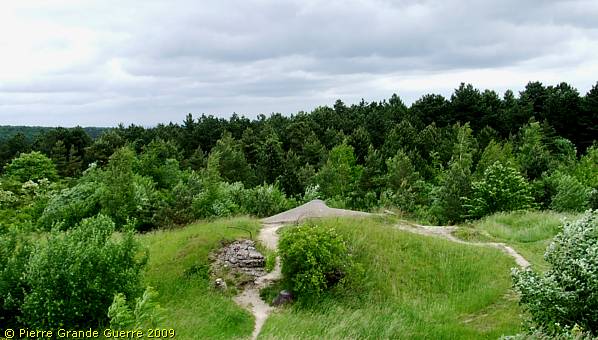
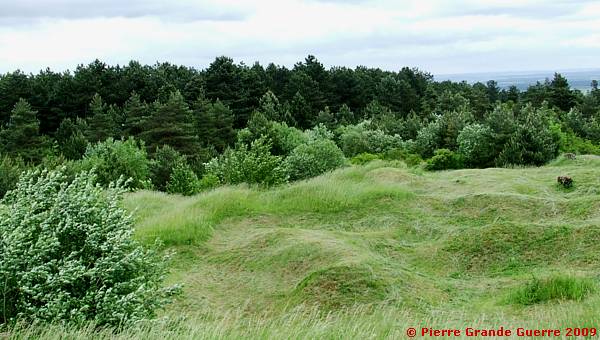
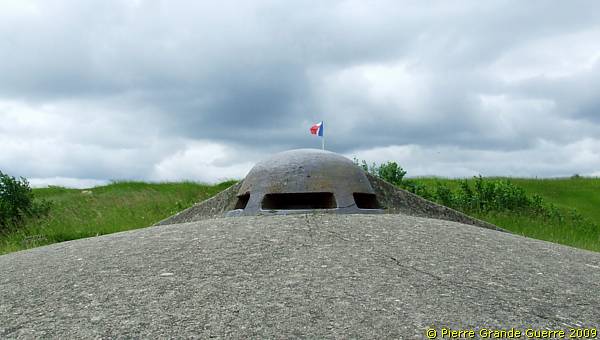
A steel, bell-shaped observation cupola.
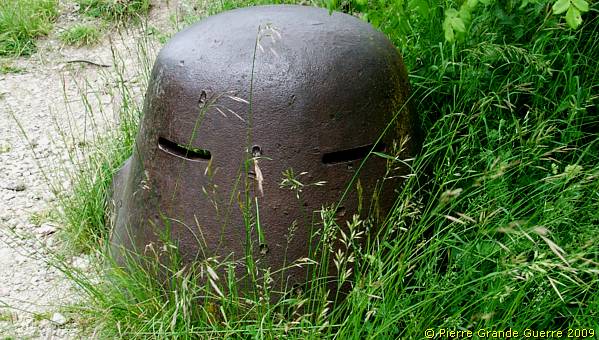
We move to the centre of the top construction.
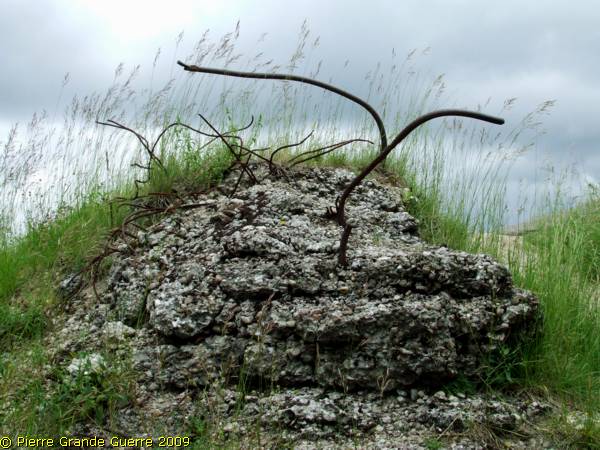
The central observation post.
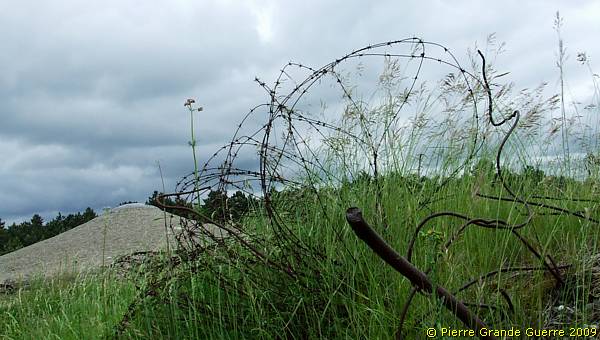
View northeast from this observation post.
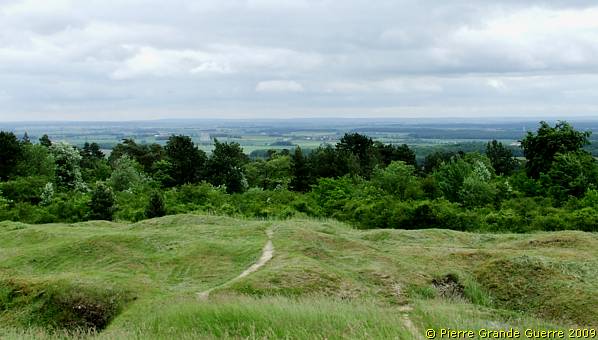
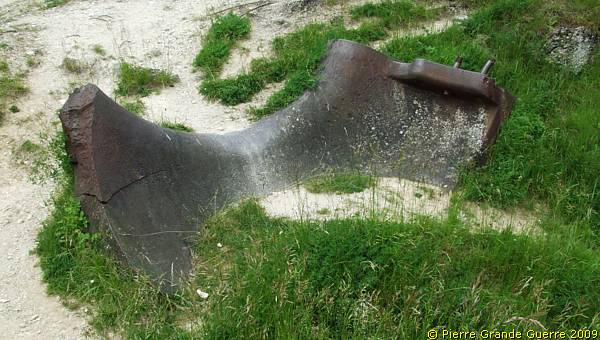
Below the observation bell, ...
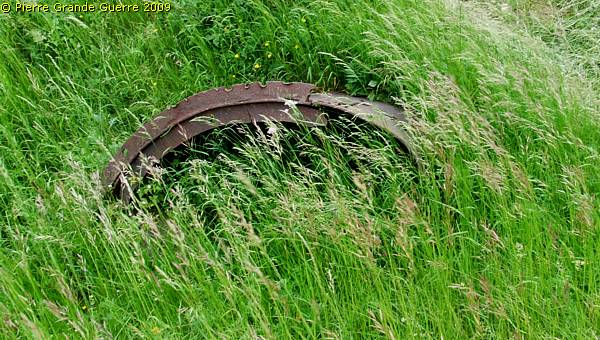
... lie relics of parts of the 75 mm gun turret.
2 June 1916. Rackow's men conquer the superstructure
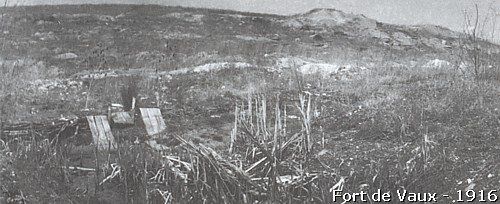
At dawn of 2 June suddenly the heavy bombardment stops. Two battalions of General Weber - Pasja's 50th Division approach the fort at 150 metres. They know to penetrate the dry moats of the fort.
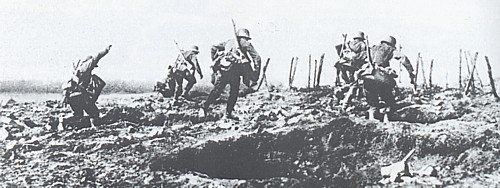
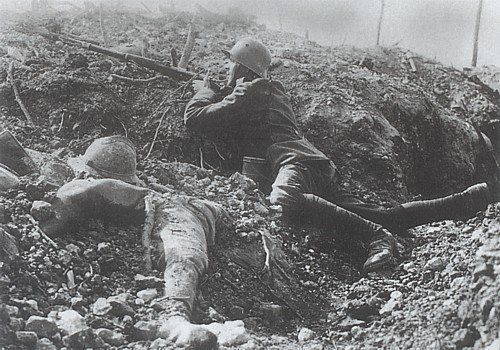
At the north-western counterscarp gallery, the 19-year old Poilu, Cahuzac, takes up the defence from his post from an armoured post along the inner slope of the dry moat, since all his officers in that sector of the fort were killed.
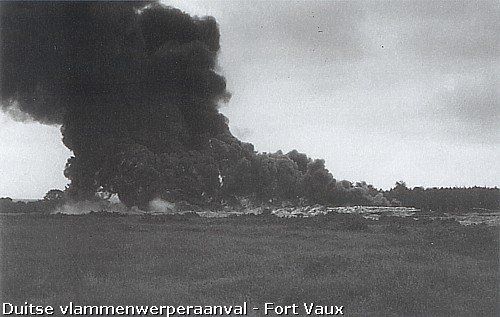
Pioneers connect their flamethrowers to long tubes through openings in the fortress to set it on fire, or at least at smoking. Surprised by this action the French machine gun stops firing.
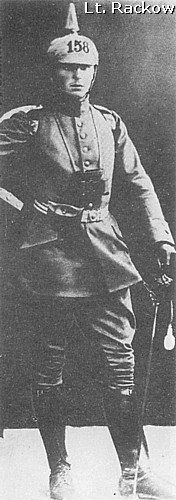
Using this short break thirty soldiers of Second Lieutenant Kurt Rackow's Paderborner 158th Infantry Regiment were climbing from the dry moat and they reached, just after 5 AM, as the first Germans, the superstructure of the fortress. The French machine guns resumed their murderous work again.
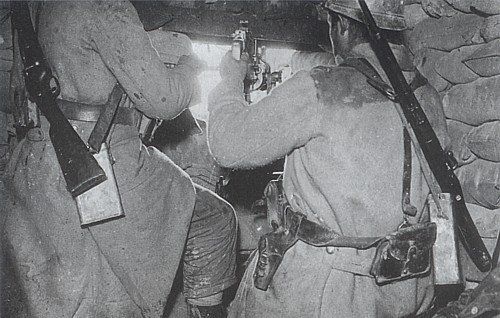
By the artillery barrage back and forth for hours, Rackow's men on the roof get even more isolated.
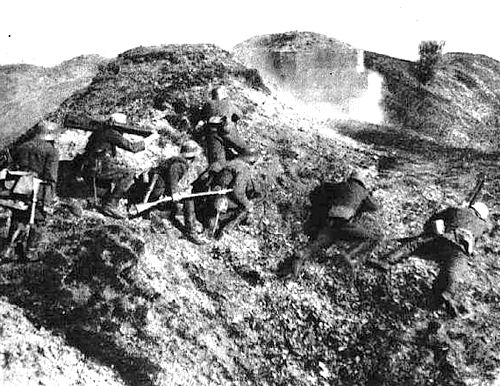
At the end of the morning the Germans discover a breach near the north-west corridor in the top construction, sealed with sand bags. They remove the sand bags and throw grenades inside.
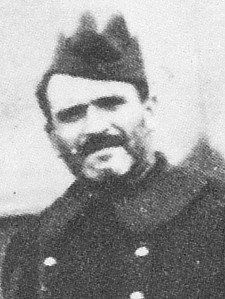
Commandant Raynal, commander of the garrison, orders immediately to evacuate this corridor. At 4 o'clock in the afternoon Raynal has lost its main defensive positions of the north of the fortress. Through the observation holes the French see, that the German soldiers on the superstructure are at ease enough to smoke a pipe. The superstructure of the fort was finally in the hands of the Germans.
With these events in our mind we continue our exploration.
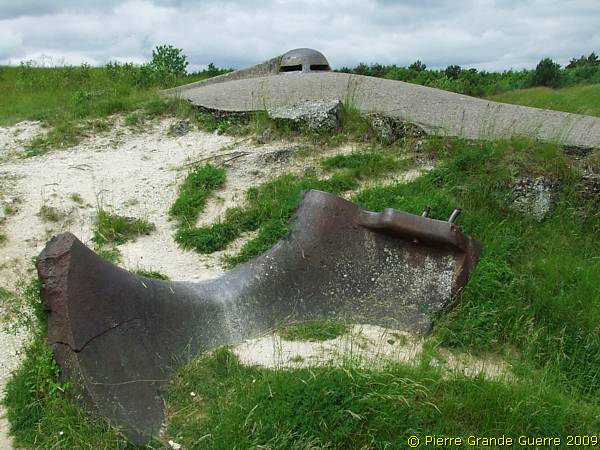
On 26 February 1916 the 75 mm gun turret on top of the fort ...
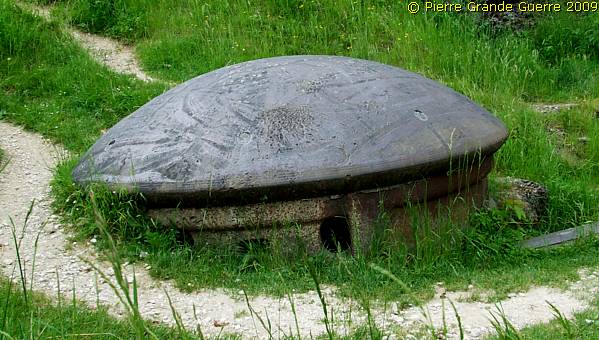
... was destroyed by an impact of a German 420 mm grenade.
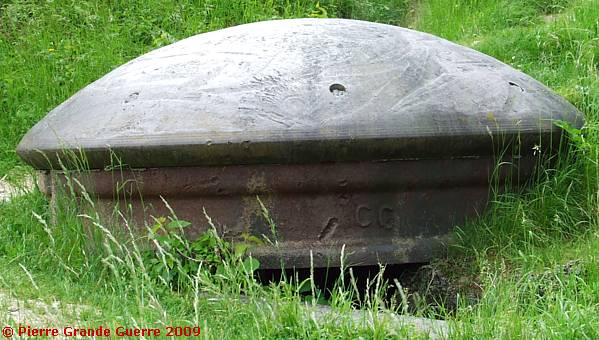
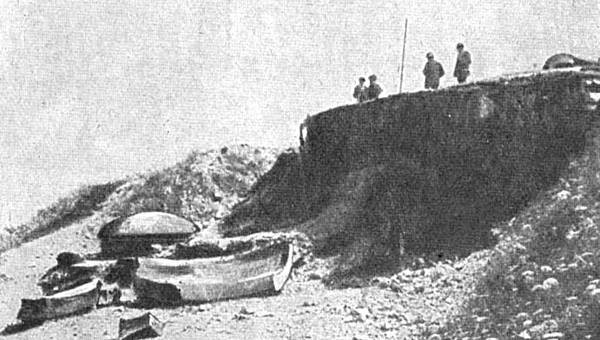
... for sure during the moment, when I shot this photo below.
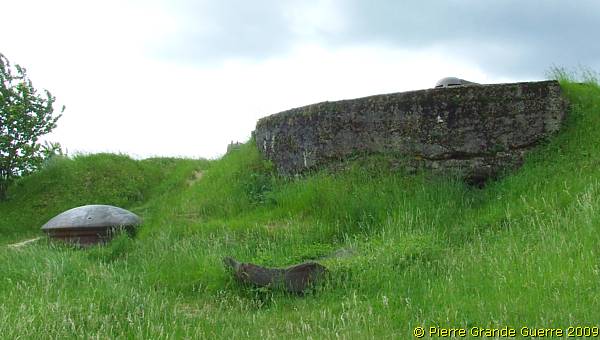
Under the observation post one of the firing holes.
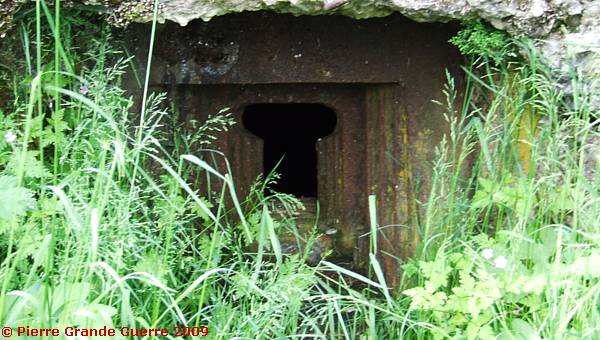
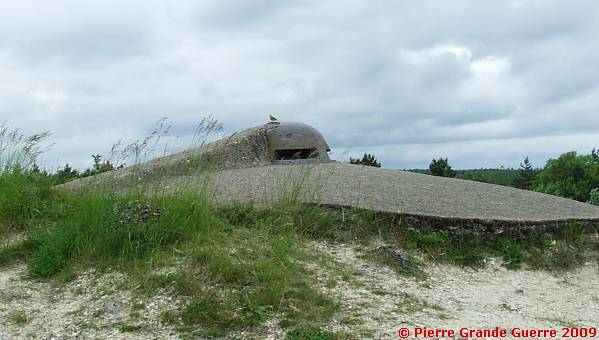
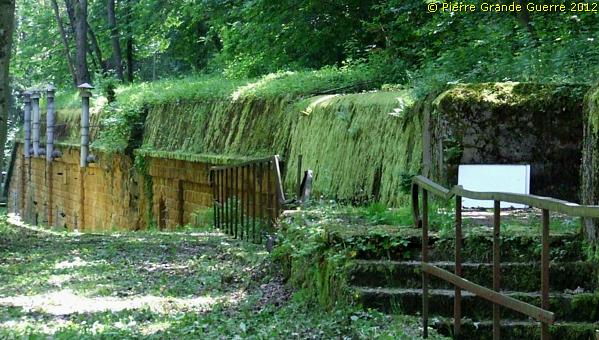
A view of the northeast corner of the dry moat.
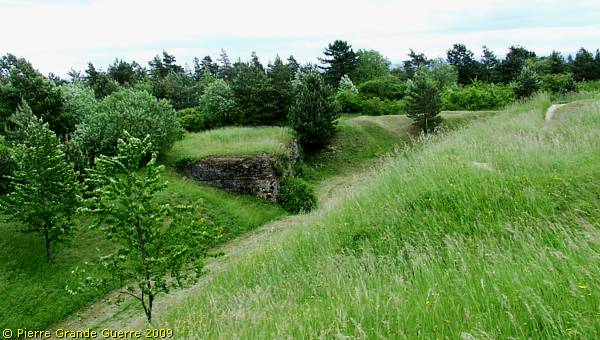
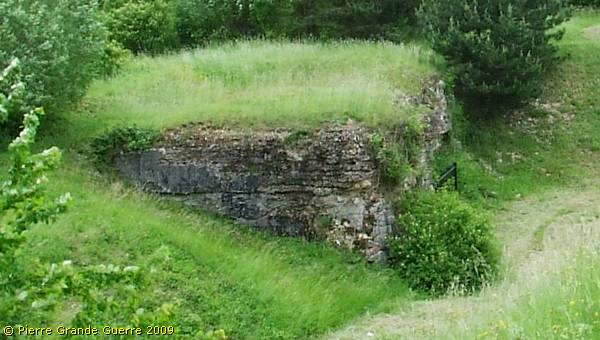
View to the northern corner of the dry moat.
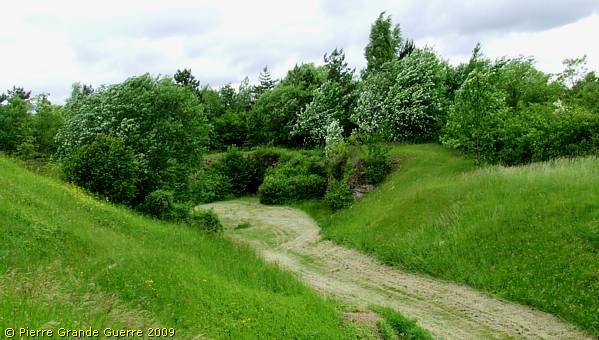
The coffres de contre-escarpe were connected to the fortress ...
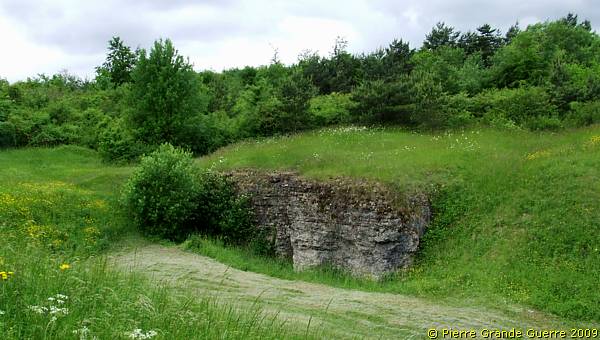
... with tunnels, running beneath the moat.
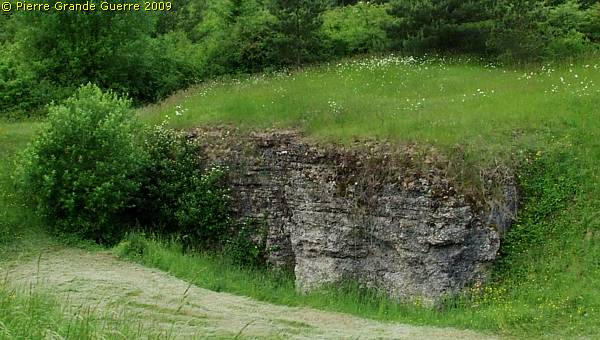
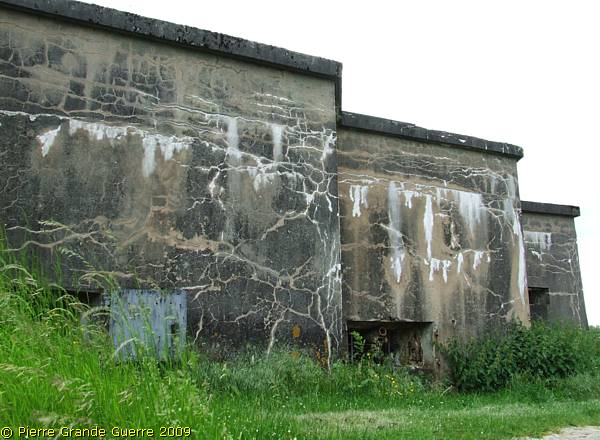
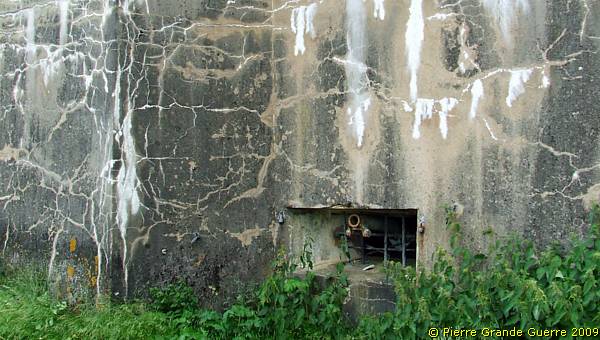
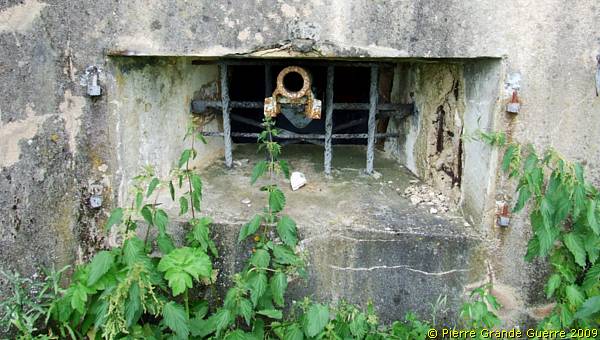
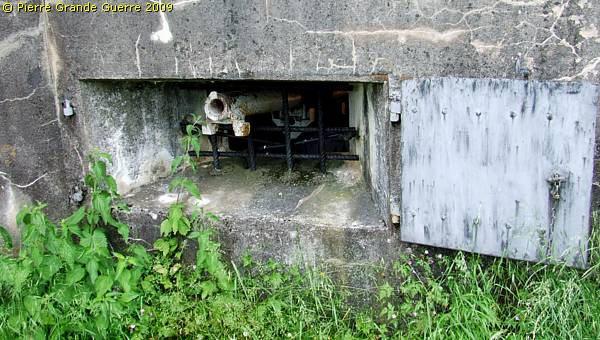
We approach the fort from the front side.
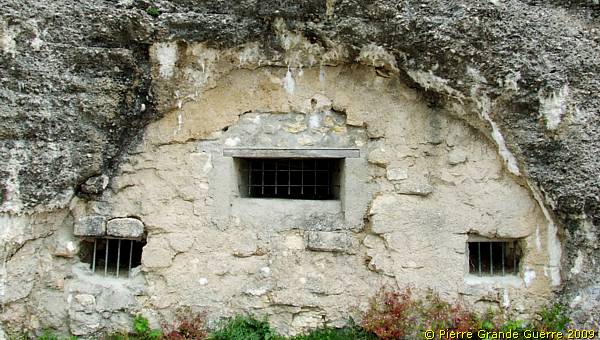
These renovations were made after 1916.
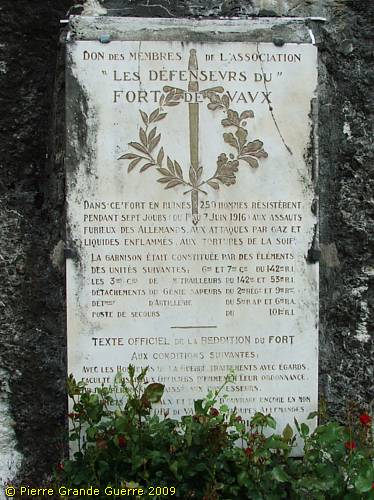
IN THIS RUINED FORT 250 MEN RESISTED DURING 7 DAYS (1-7 JUNE 1916) THE FURIUOUS ASSAULTS OF THE GERMANS. TO ATTACKS WITH GAS AND FLAMABALE LIQUIDS, TO TORTURE AND THIRST.”
"To the Commander of the German forces, who attack Fort de Vaux,
Under the following conditions: with the honours of war, respectful treatment, the choice of officers respected to keep their personal care-takers, and personal objects left with their proprietors, I surrender the premises and parts of the stronghold, still under my command in Fort de Vaux, to the German troops.
Fort de Vaux June 7, 1916. Commander of the battalion, Commander of the fort, Raynal."
The Siege of Fort de Vaux
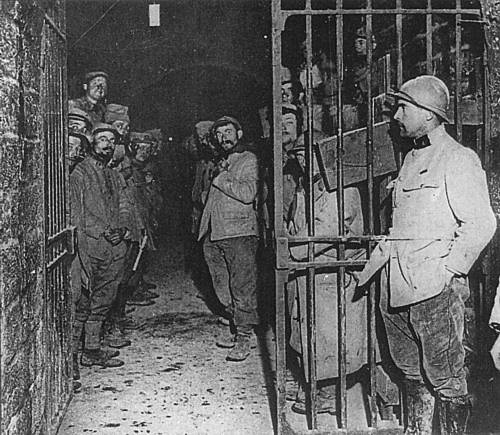
The Commander notes that the defence is almost zero, so he orders immediately to strengthen the fort. Raynal lets his soldiers fill the recently impacted breaches with sand bags. In the corridors he orders to build "chicane"-shaped barriers of sand bags up of 1 meter thick, with holes for the grenadiers behind it to throw grenades, and sometimes he leaves behind these barricades also some machine guns. The tank of 5,000 litres of water seems, for now, sufficient.
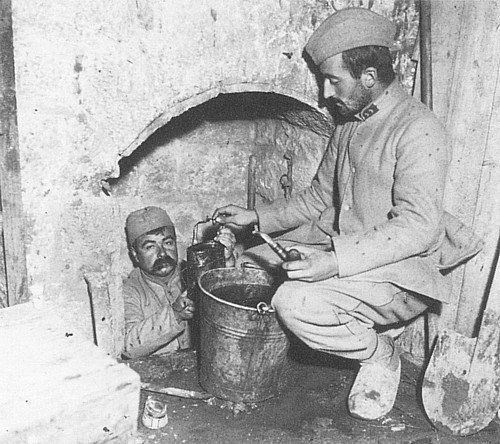
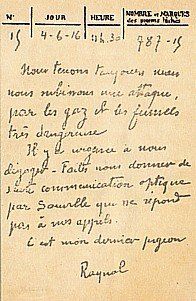

On 6 June the French units of the 238e R.I. and the 321e R.I. organize a counterattack to liberate the fortress. With an improvised light signal system Raynal sends Fort de Souville a message, that the counterattack is a complete failure. Ten minutes later Raynal sends another desperate message.
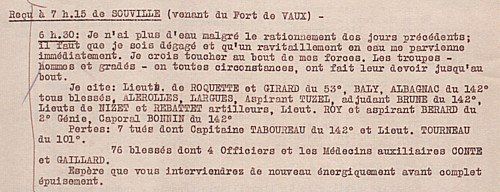
| "I have no water anymore, despite the rationing of the last days. I should withdraw and I have to be supplied immediately with water. I believe that I have used the utmost of my forces. Under these conditions the troops, men and officers, have all done their duty to the utmost."
The telegram continues with mentioning the names of men nominated for a medal award, the names of the dead men, and the wounded, and then to end with:
"I hope that you will intervene with renewed vigor before the total exhaustion."
|

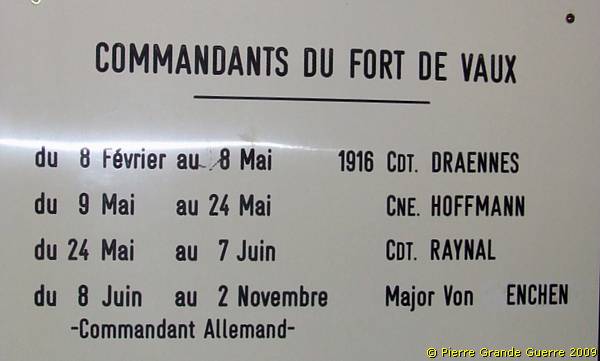
On 7 June Raynal and his garrison have to surrender. What is left of the garrison is too dried out of thirst to be able to fight on. When the Germans capture Raynal, he is treated as a real war hero.
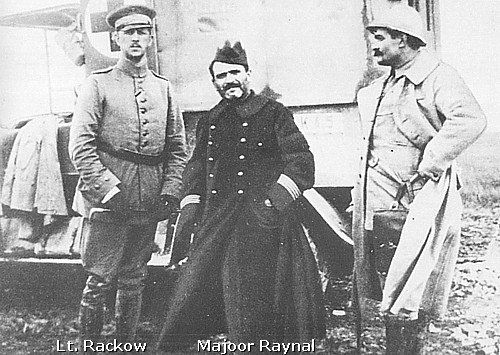
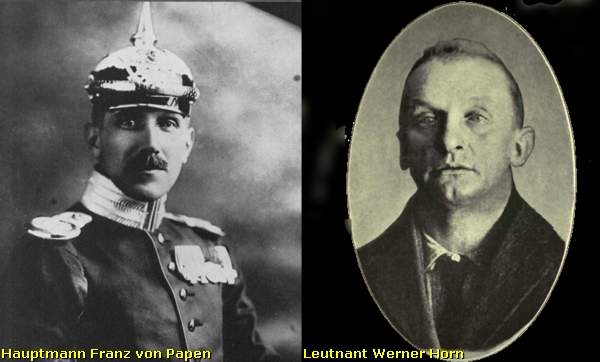
The Germans have such an admiration for the perseverance of Raynal, that he may pose for the photo along with Second Lieutenant Kurt Rackow, on the same day awarded with the high honour of "Pour le Mérite".
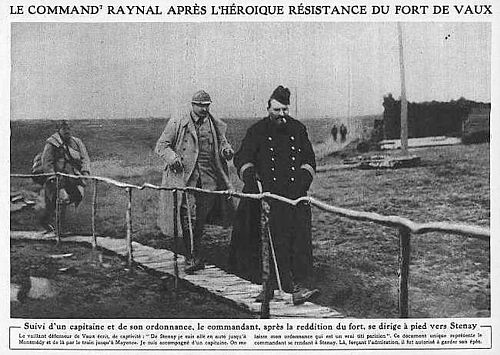
While Raynal's fort occupation counts 50 deaths and 87 wounded, the German losses though were much heavier after 6 days. For a week Raynal and his men have kept busy 4 German battalions, which together have lost 2.678 soldiers and 64 officers.
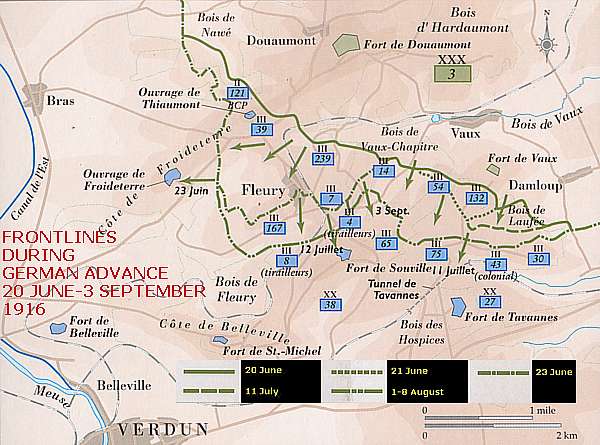
The front line of 20 June, after the German captures of the Forts de Douaumont and Vaux. The front lines of the later German attacks of June 1916 on Thiaumont, Ouvrage de Froideterre, Côte de Fleury, Fort de Souville, Bois de la Laufée, and Fort de Tavannes.
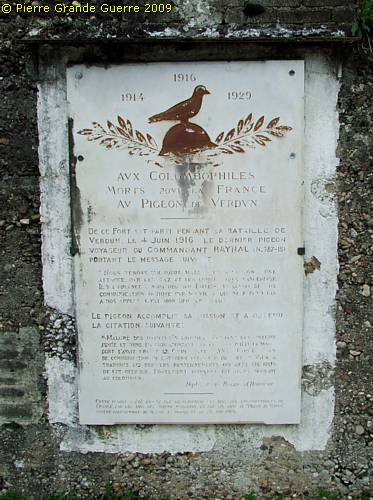
Fort de Vaux, the Interior
| A part of the interior of Fort de Vaux is open to the public. Photographing is allowed. We make a tour along some interesting sites in the fortress, important for the story of the Siege: the main corridor, the water tank, the barracks, the office of Raynal, the first aid post, the east corridor, the "lost" latrines, and backwards to the west, to the memorial chapel at corridor D, and the interior of the western Casemate de Bourges.
|
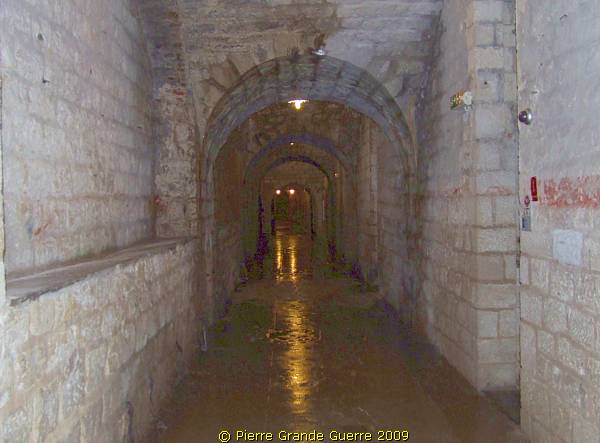
The water tank.
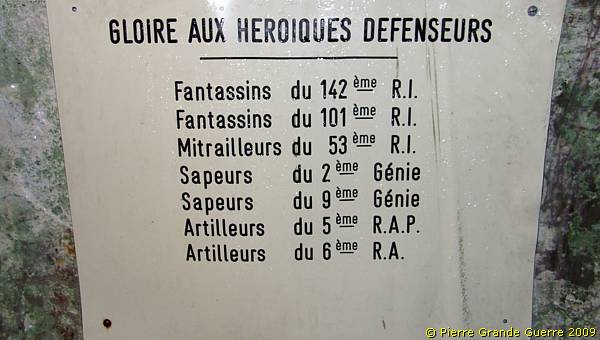
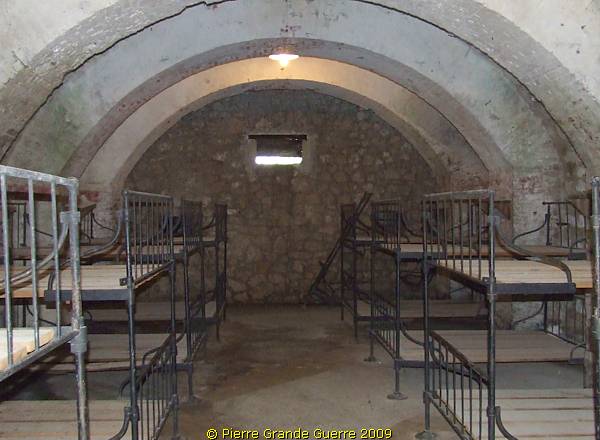
On the southern side of the main corridor are the barracks.
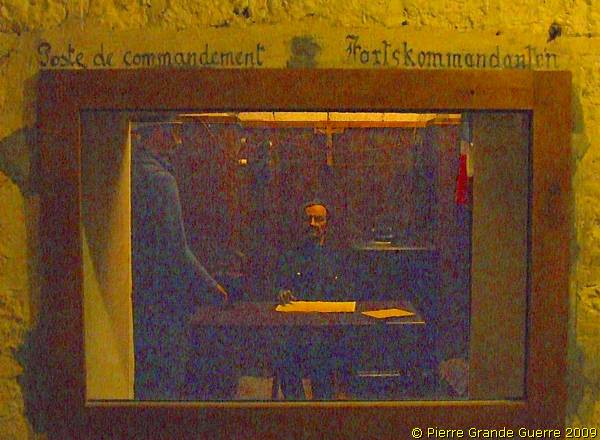
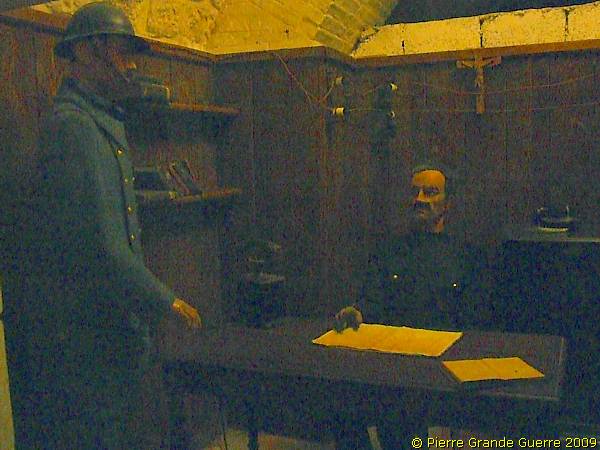
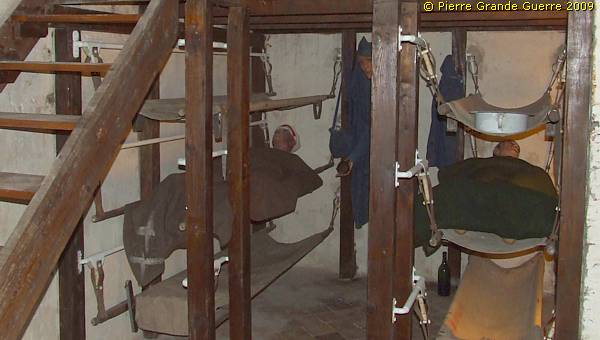
We continue to the First Aid Post or Lazaret.
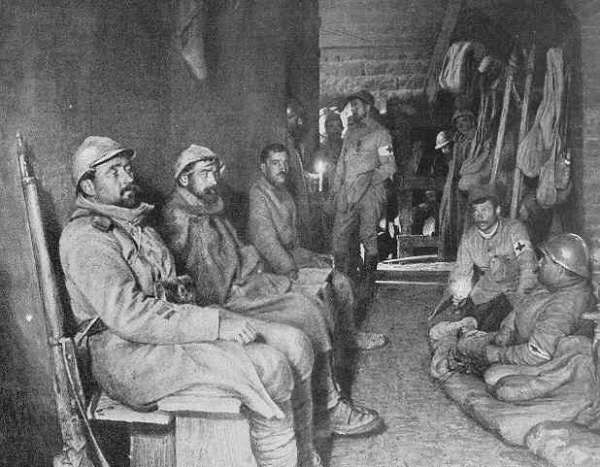
There is only place for 6 men!
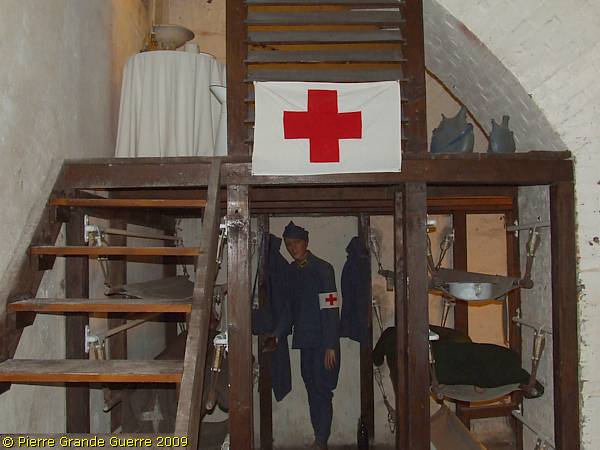
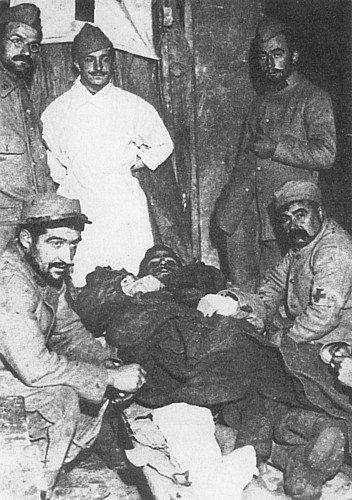
On 6 June the garrison had yet 76 wounded men! They were packed in the corridor, leading to the lazaret.
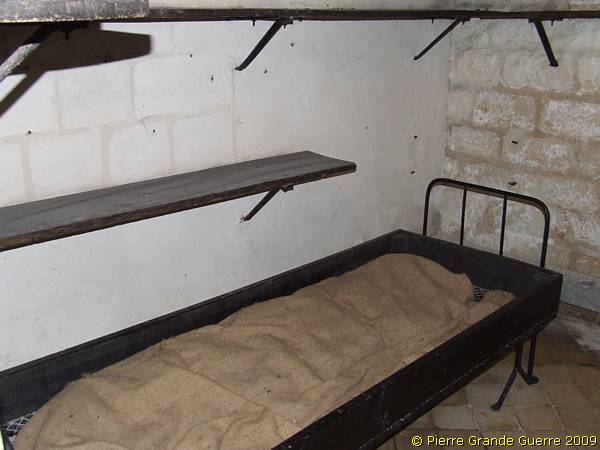
The small dormitory of the Fort Commander.
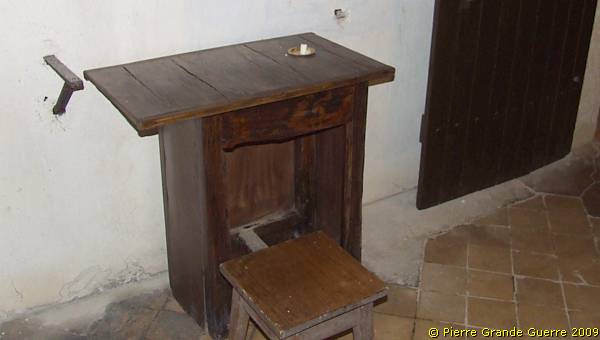
Opposite the bed a stool with a modest desk.
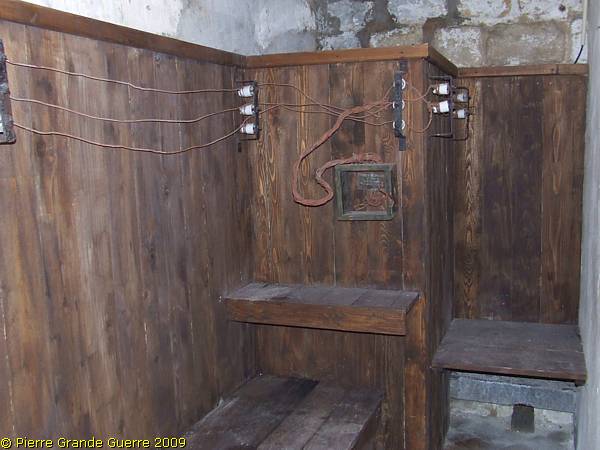
The communication centre, which would be of no use after 1 June.
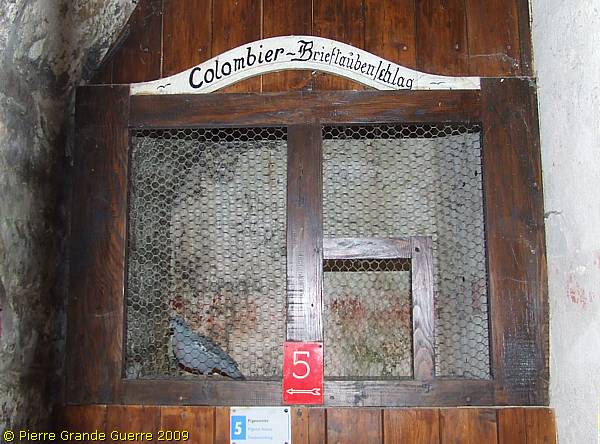
We continue through the north-east corridor.
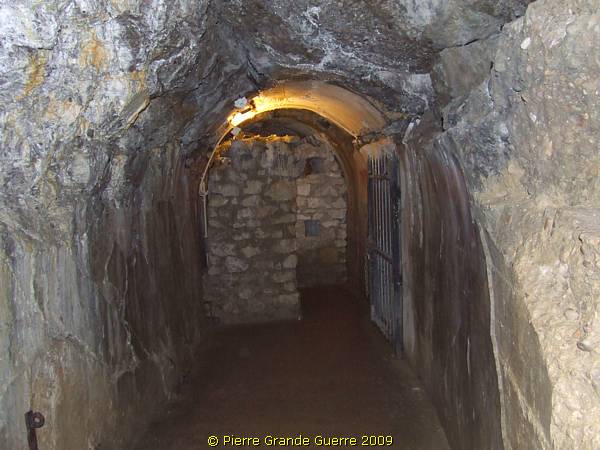
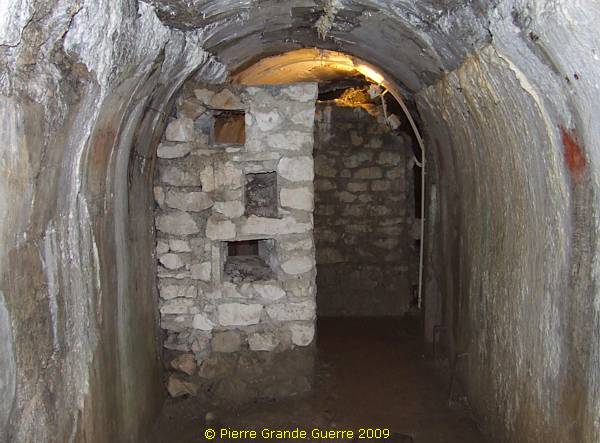
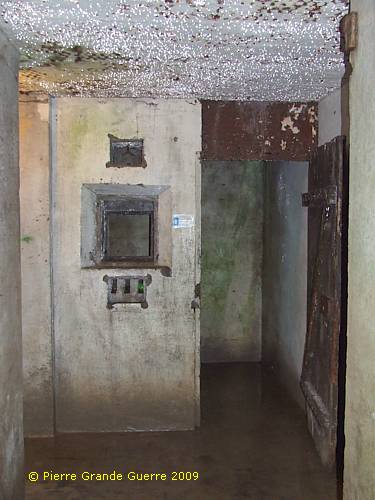
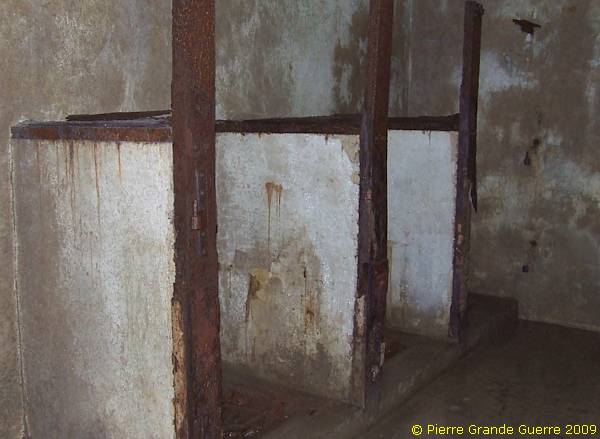
We return to the main corridor, and go westward.
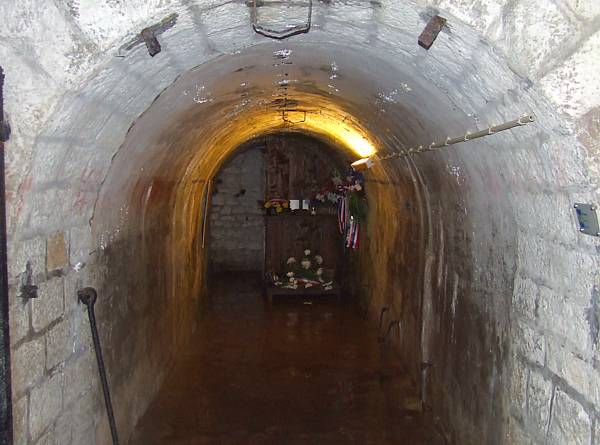
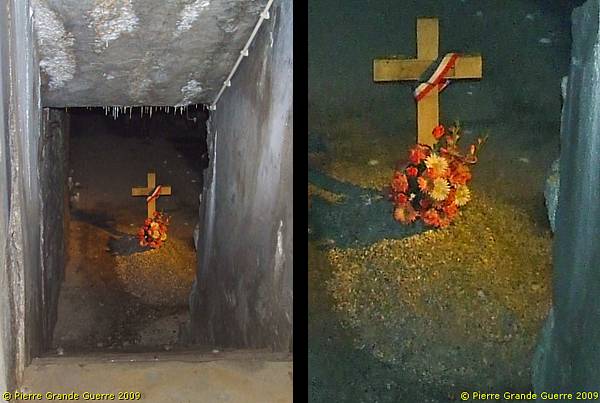
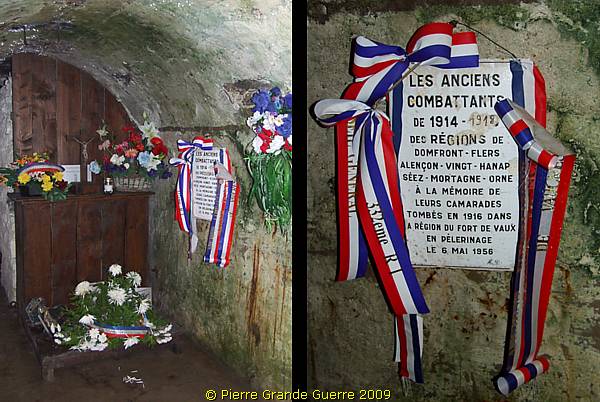
Behind the wall still rest the corpses of soldiers.
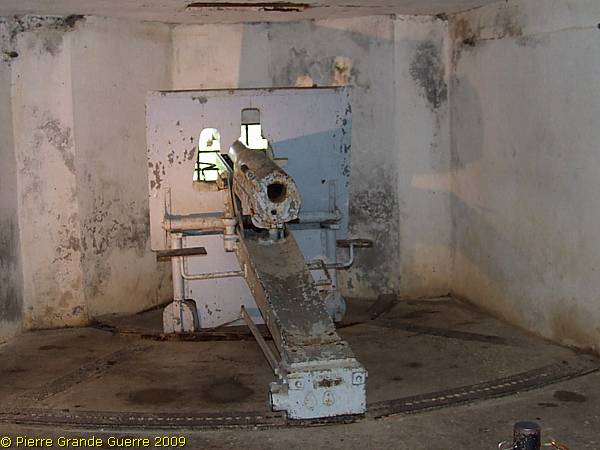
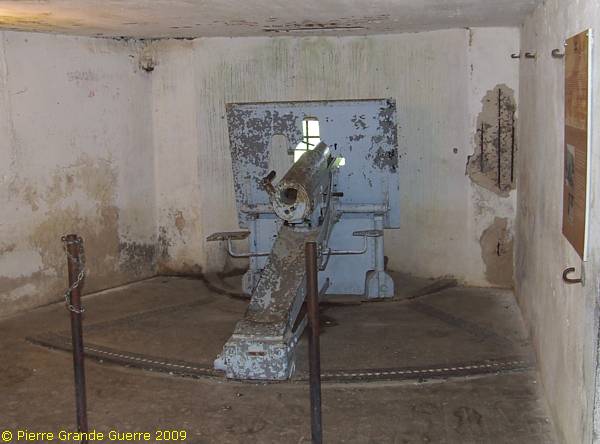
... with it's 75 mm artillery guns on rails.
We continue along the road southward.
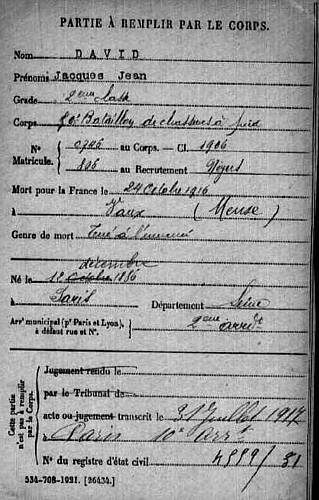
24 Octobre - The French recapture the fort
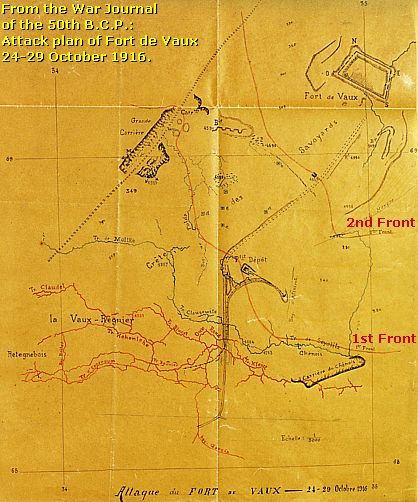
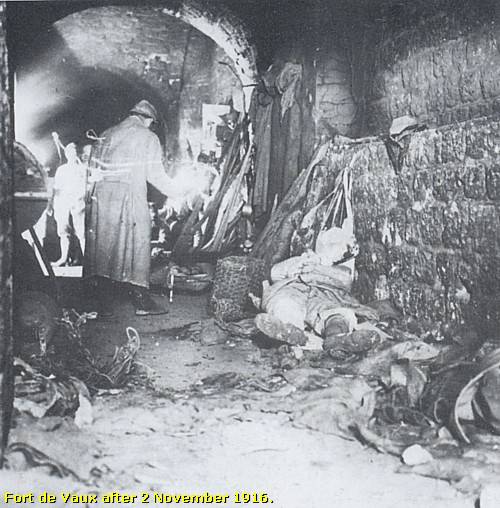
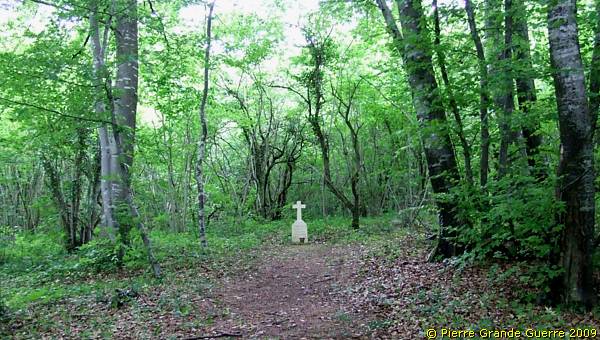
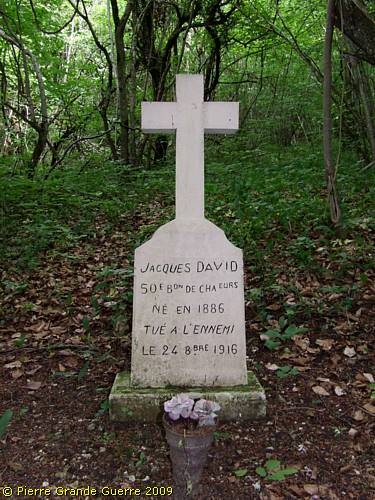
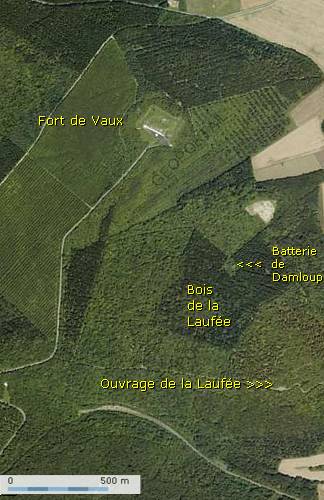
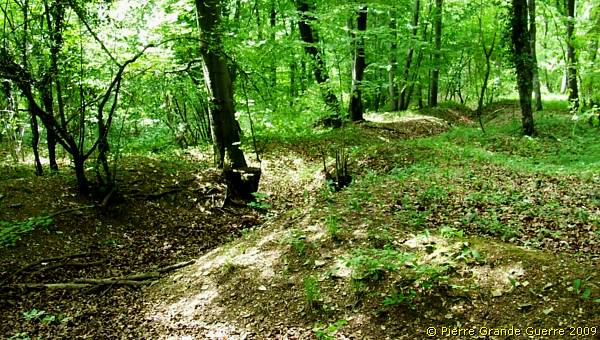
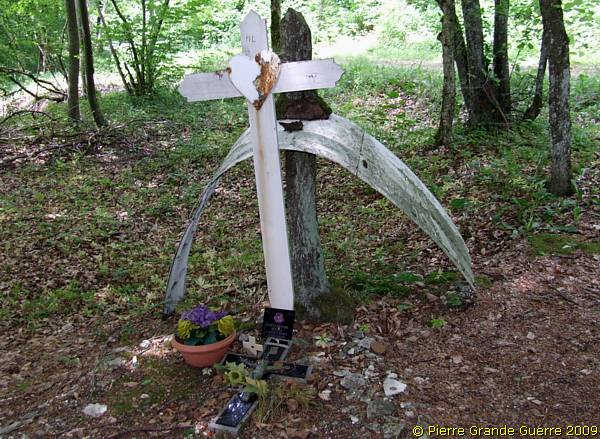
Along more traces of trenches we reach ...
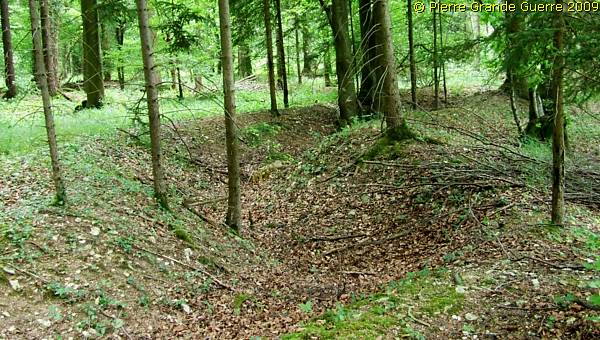
... The Ouvrage de la Laufée .
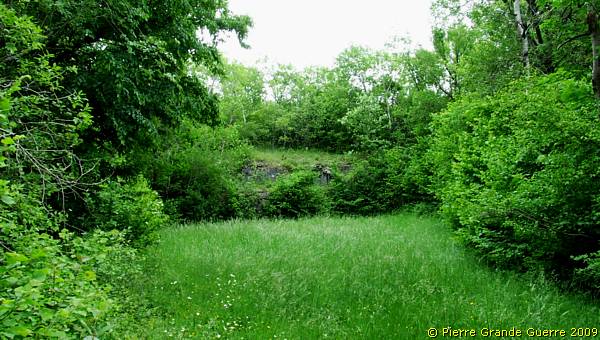
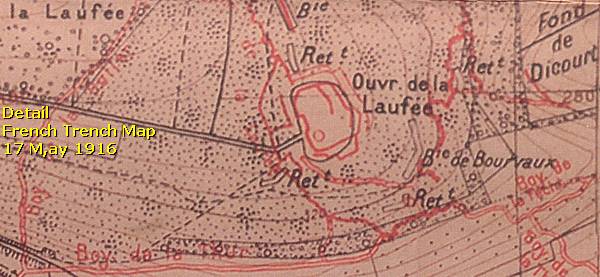
Some details about the Ouvrage de la Laufée
The job of commanding the Ouvrage must have been stressful for the officers. On 31 March Captain Waltz of the 10me Regiment de Hussards takes over the command, sustained later by Captain Poirier and Captain Burthe d’ Arbriet, Commander of the 23me Escadron de Dragons. On 18 August 1916 Captain Rex, a Chasseur of the 4me Bataillon de Chasseurs à Pied, takes over the command of these morally and physically stressed officers.
Function of the Ouvrage
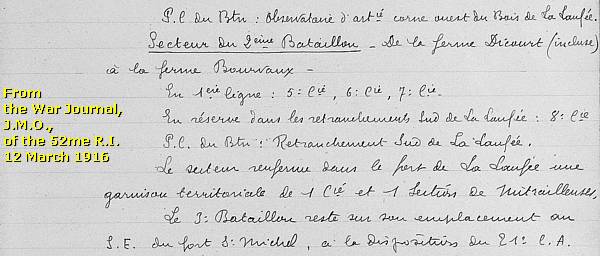
| This stronghold contains several underground shelters. During some periods it even served as a Command Post for 2 batallions. There was a shaft to a source, connected to two water tanks. There were two exit caverns. A part of the redoubt served as a dressing station. During the end of October 1916 the French installed also a generator room to feed the stronghold with electricity. Beneath this concrete complex there were 530 tunnels and rooms, and 40 shafts. Much of the system is now filled in, or unstable, and very dangerous.
Daily Bombardments and infantry attacks.
The Ouvrage possessed a powerful 75 mm gun turret, which bombarded together with the guns of Fort de Moulainville and the nearby Batterie de Damloup, the Germans, occupying the Fort de Vaux. Only on one day, on 4 June 1916, it fired 294 grenades at the Germans! At 8 and 9 June however the superstructure of the Ouvrage received more than 400 impacts of German 210 mm and 380 mm shells. In the days before 23 June the German shells count 700 a day. On 23 June the Germans deploy an infantry attack at the Ouvrage and the Batterie de Damloup, which the garrison of the Ouvrage knows to withstand. In July the bombardments on the Ouvrage continue. On 11 July starts another series of German infantry attacks, with the German 126 I.R., 143 I.R., and the 99 I.R. conquering even the nearby Batterie de Damloup, but not the Ouvrage. The German artillery bombardments would continue until the end of August. From 24 October 1916, during the French counteroffensive, the 75 mm gun turret of the Ouvrage took part in the bombardments of the slopes around Fort de Vaux and the German trenches in Damloup and around the Batterie de Damloup, firing 545 grenades a day.
During December 1916 and January 1917 the Ouvrage suffered many more of these heavy German artillery bombardments. Later, during the Second World War, the Germans exploded the 75 mm gun turret. Main Source
: A post war report of an unknown French author: "Monographie de l'Ouvrage de la Laufée".
|
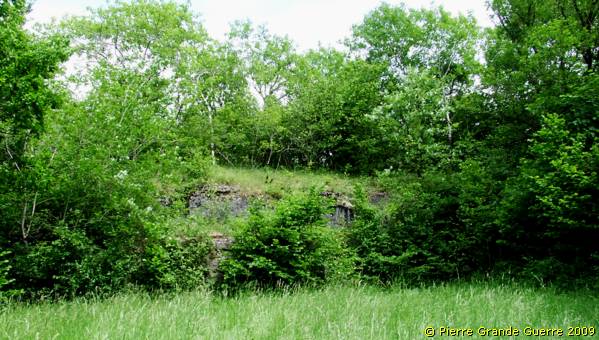
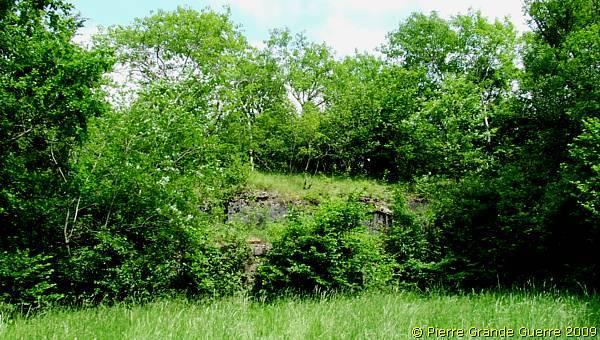
... which makes it almost invisible.
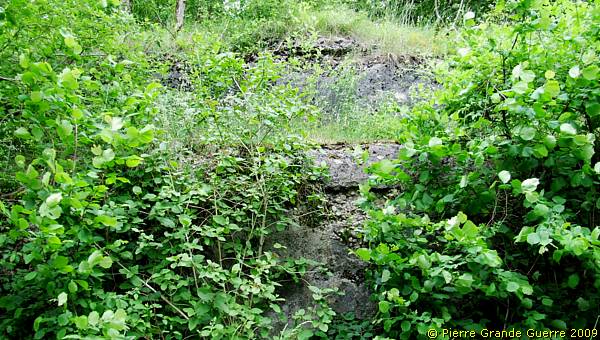
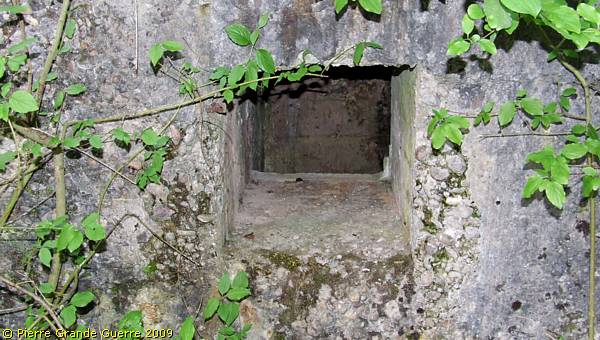
Soon I detect this concrete circle on the superstructure.
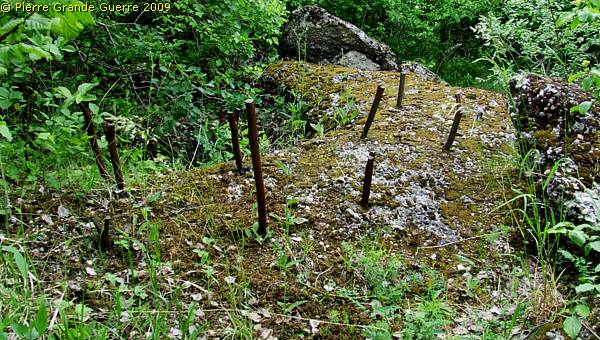
It is the relic of the base of the former 75 mm gun turret.
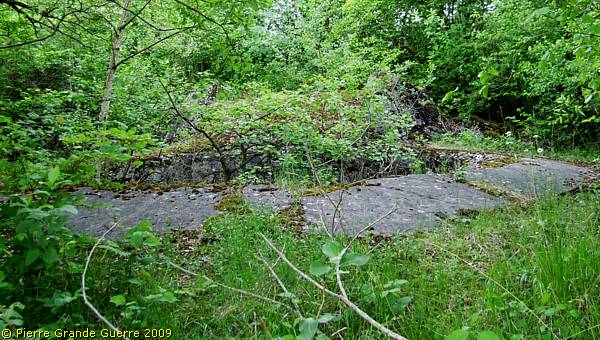
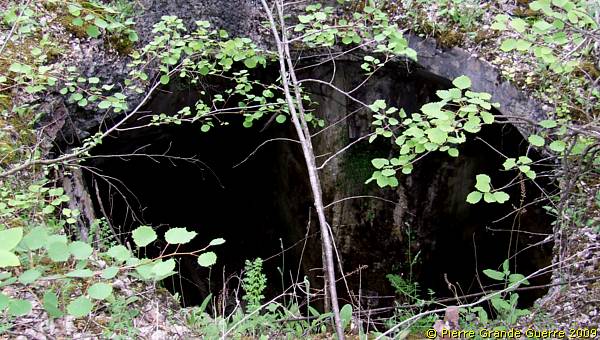
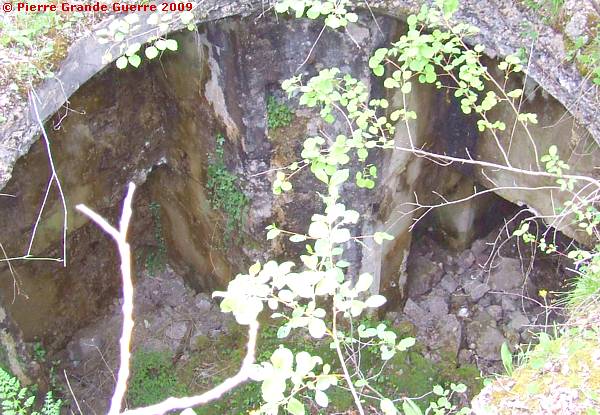
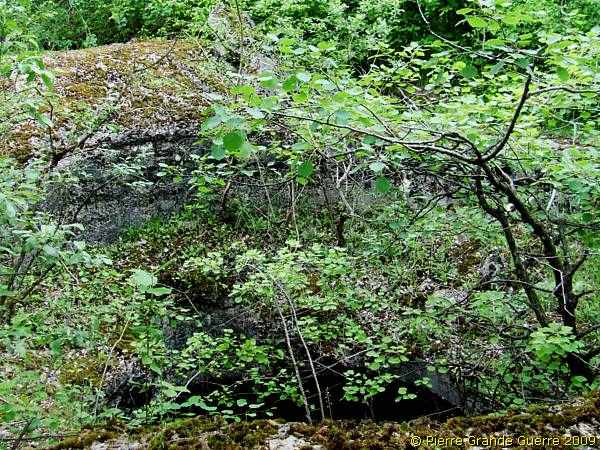
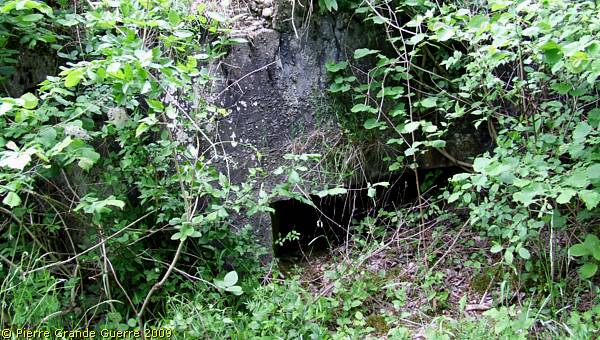
I descend from the roof to find an entrance to the Ouvrage.
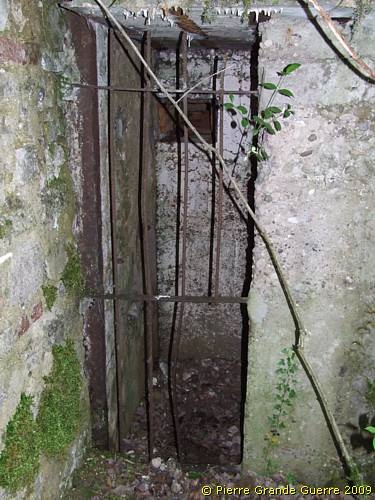
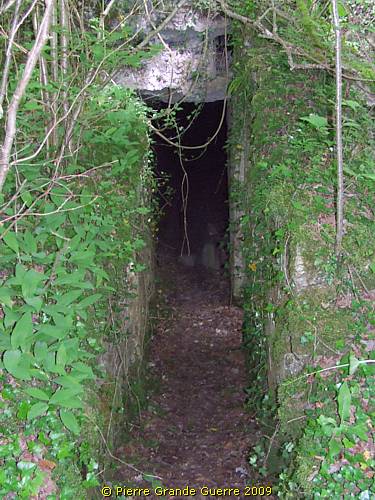
At the end of a trench I succeeded to find an entrance.
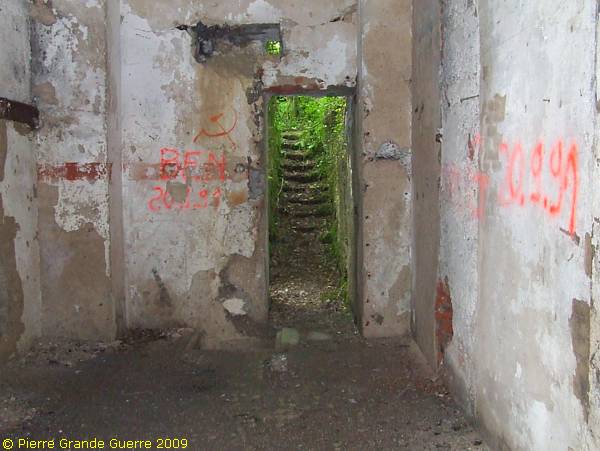
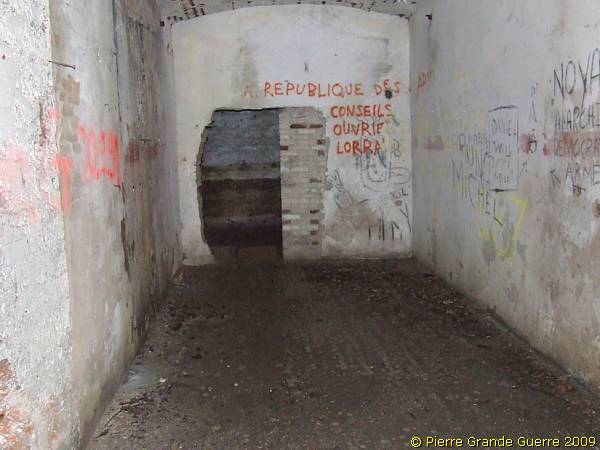
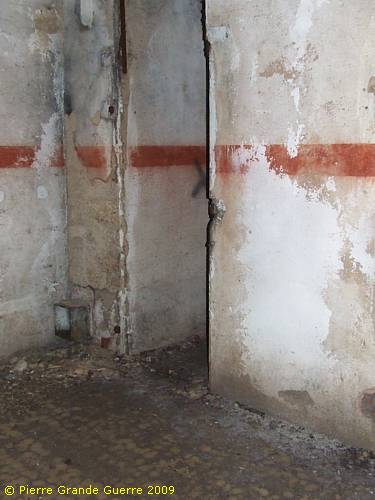
In this rather big entrance hall is only recent graffiti to be found.
As I already know that this stronghold is in a dangerous state, ...
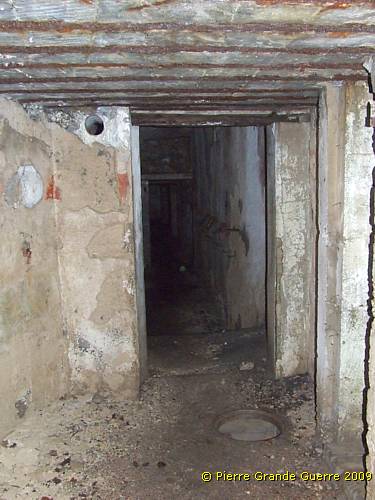
... I only enter it for about 75 m.
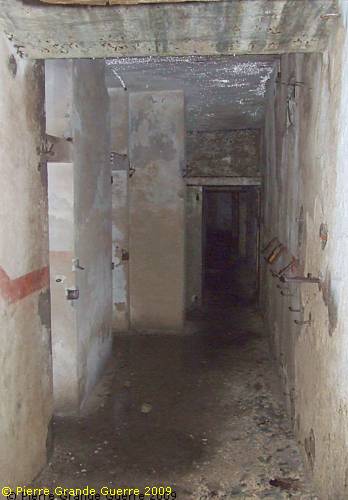
In the pitch dark these "unexpected" shafts are very dangerous!
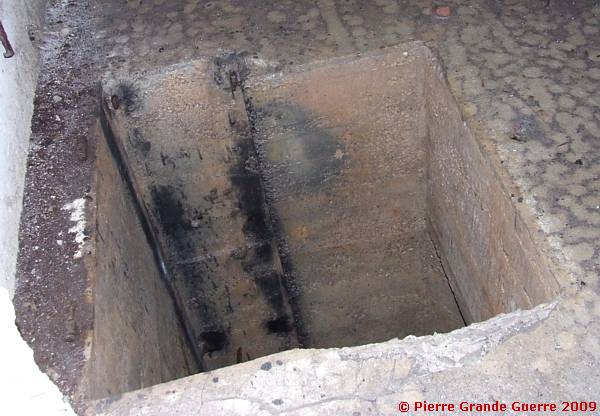
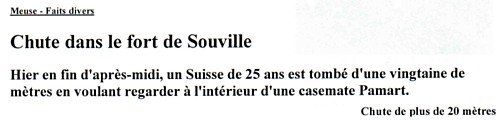
WARNING! An example of the risks you may encounter on your explorations on the battlefields:
on 12 July 2009, a 25 year old Swiss tourist was not cautious enough, and fell down one of the shafts of Fort de Souville near a Pamart bunker for about 20 m.! It took a special rescue team almost 3 hours to rescue this tourist!
( Source:
L'Est Républicain, 12-07-2009.)
I continue my exploration to find more of these deep shafts.
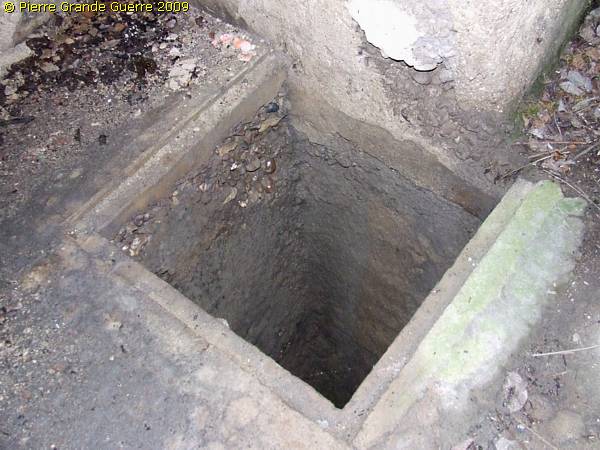
I decide, that it is safer for me to leave the impressive Ouvrage before I would fall into one of these.