SOMME BRITISH Sector - Trones Wood - Montauban - Guillemont
Year of visit: 2007
The Third Phase of the Battle of the Somme
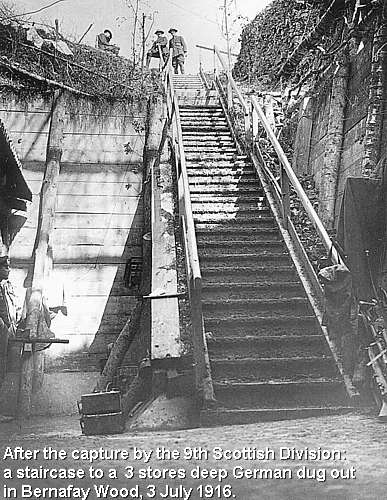
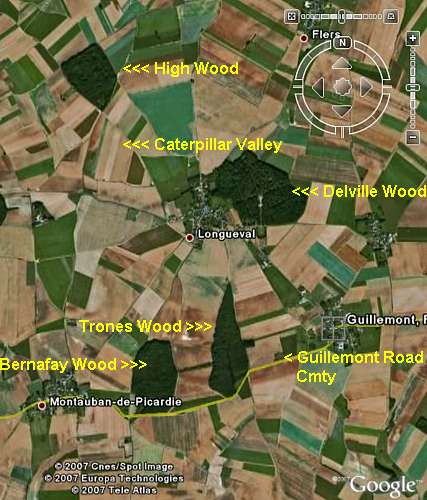
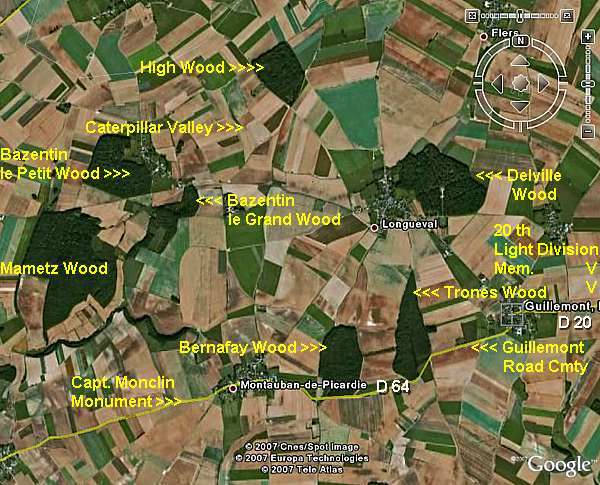
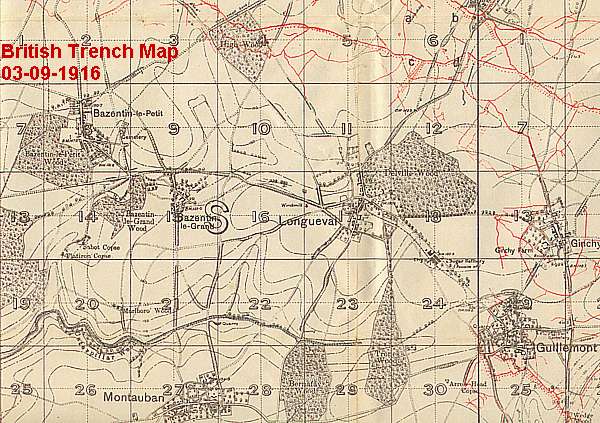
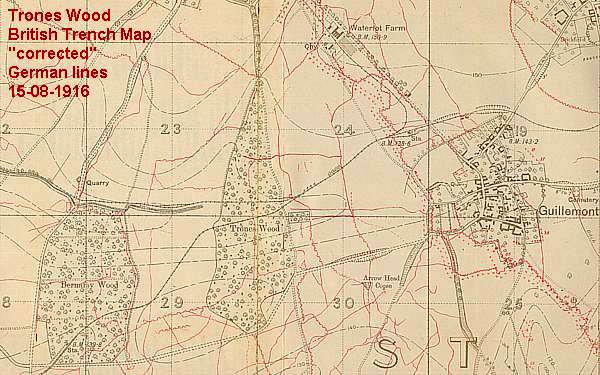
The Third Phase of the Battle of the Somme started at dawn of the 14th of July with the bombardment of Mametz Wood. During the Third Phase the British concentrated on capturing the woods of the hamlets of Bazentin, like Bernafay Wood near Montauban, Trones Wood near Guillemont, High Wood and Delville Wood near Longueval. This Phase would last from 14 July until 15 September 1916.
The British had changed their tactics: at first, before the assault, three days of artillery bombardment, using mainly high explosive shells instead of shrapnel shells, to destroy the barbed wire networks. Then, in the night of the attack itself, the British artillery launched another short introducing bombardment of only 5 minutes, directly followed by an infantry assault at dawn, using "new" flame projectors, under cover of pre-timed, forward rolling artillery fire and smoke curtains. These assaults were directed at the German Second Line roughly between Bazentin le Grand and Longueval.
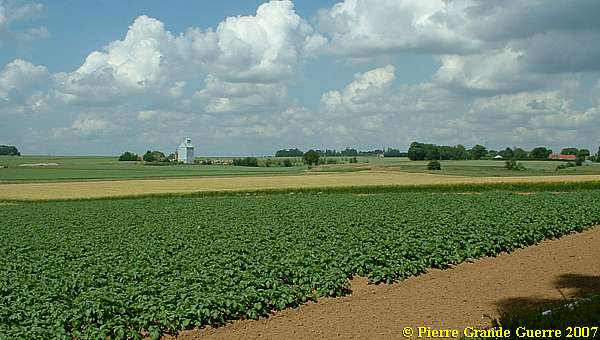
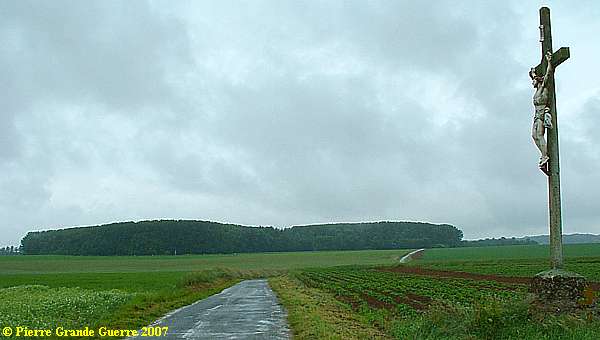
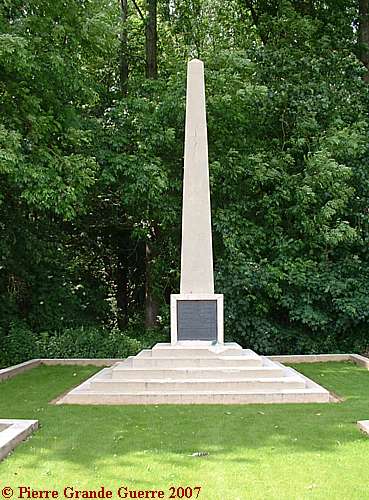
View from south to north at Trones Wood.
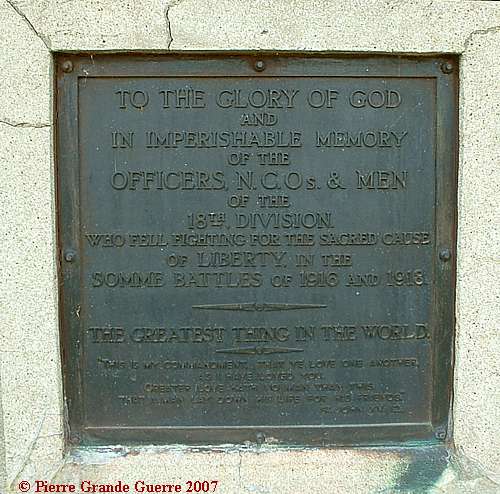
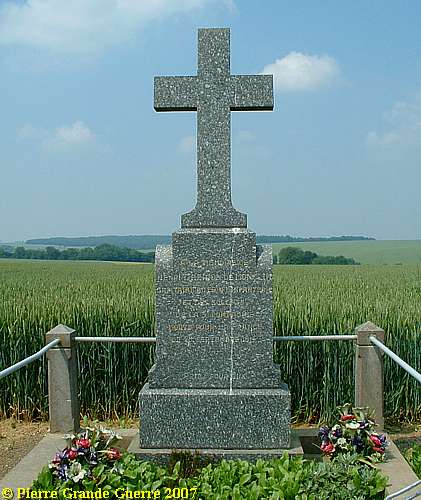
West of Trones wood lies nearby the Commonwealth Guillemont Road Cemetery .
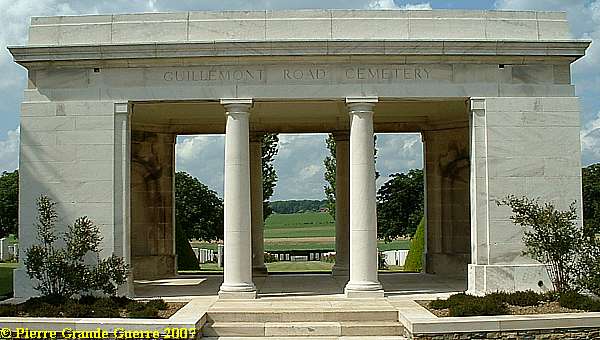
"Guillemont was an important point in the German defences at the beginning of the Battle of the Somme in July 1916. It was taken by the 2nd Royal Scots Fusiliers on 30 July but the battalion was obliged to fall back, and it was again entered for a short time by the 55th (West Lancashire) Division on 8 August. On 18 August, the village was reached by the 2nd Division, and on 3 September (in the Battle of Guillemont) it was captured and cleared by the 20th (Light) and part of the 16th (Irish) Divisions. It was lost in March 1918 during the German advance, but retaken on 29 August by the 18th and 38th (Welsh) Divisions. The cemetery was begun by fighting units (mainly of the Guards Division) and field ambulances after the Battle of Guillemont, and was closed in March 1917, which it contained 121 burials. It was greatly increased after the Armistice when graves (almost all of July-September 1916) were brought in from the battlefields immediately surrounding the village and certain smaller cemeteries, including:- HARDECOURT FRENCH MILITARY CEMETERY. The village of Hardecourt-au-Bois was captured by French troops on the 8th July, 1916, and again by the 58th (London) and 12th (Eastern) Divisions on 28 August 1918. Five British Artillerymen were buried by their unit in the French Military Cemetery, in the middle of the village, in September 1916; and in 1918 the 12th Division buried in the same cemetery 14 men of the 9th Royal Fusiliers and two of the 7th Royal Sussex. Guillemont Road Cemetery now contains 2,263 Commonwealth burials and commemorations of the First World War. 1,523 of the burials are unidentified but there are special memorials to eight casualties known or believed to be buried among them. The cemetery was designed by Sir Herbert Baker."
Source:
The Commonwealth War Graves Commission
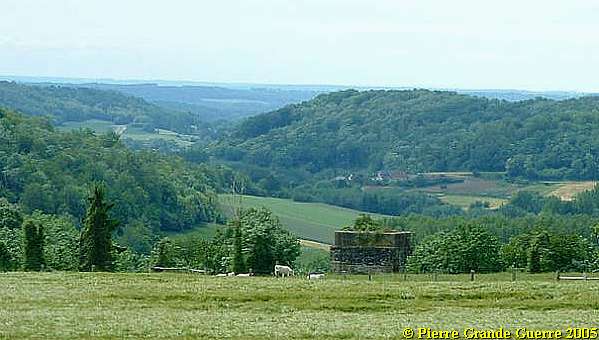
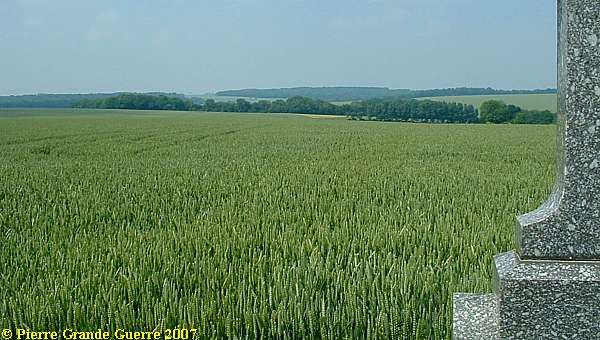
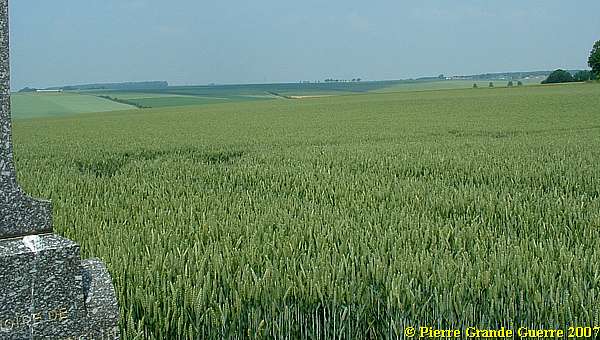
Northward panorama from Guillemont Road Cemetery.
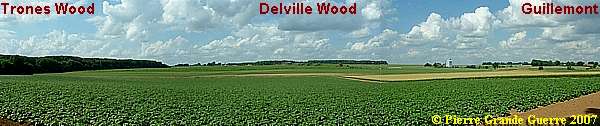
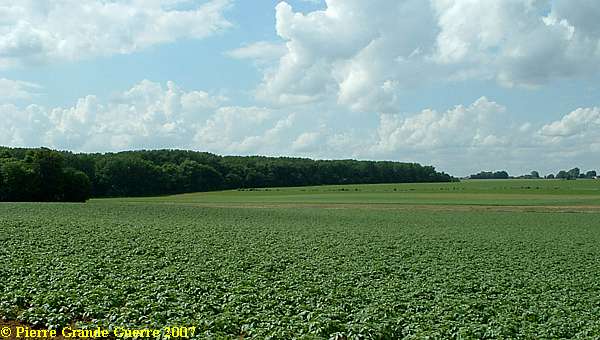
From left to right in two steps.
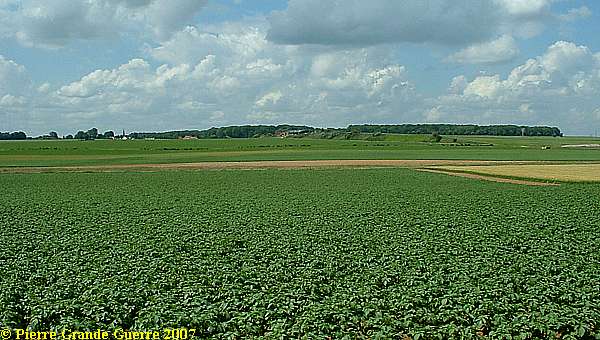
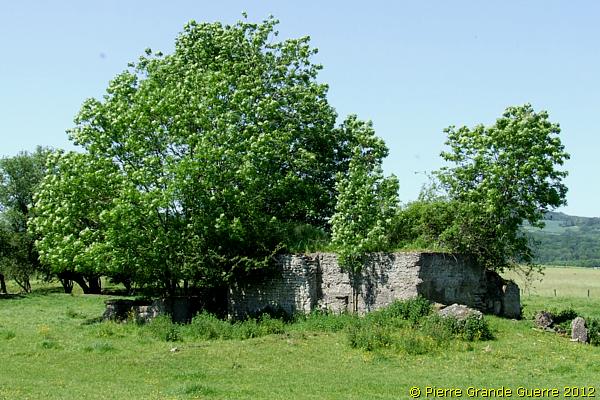
View in the direction of Guillemont Village.